
Buy This Book

“The Doctrine of Discovery of 1493 is still used to justify the United States government’s ownership and control of Native homelands.” –If You Lived During the Plimoth Thanksgiving
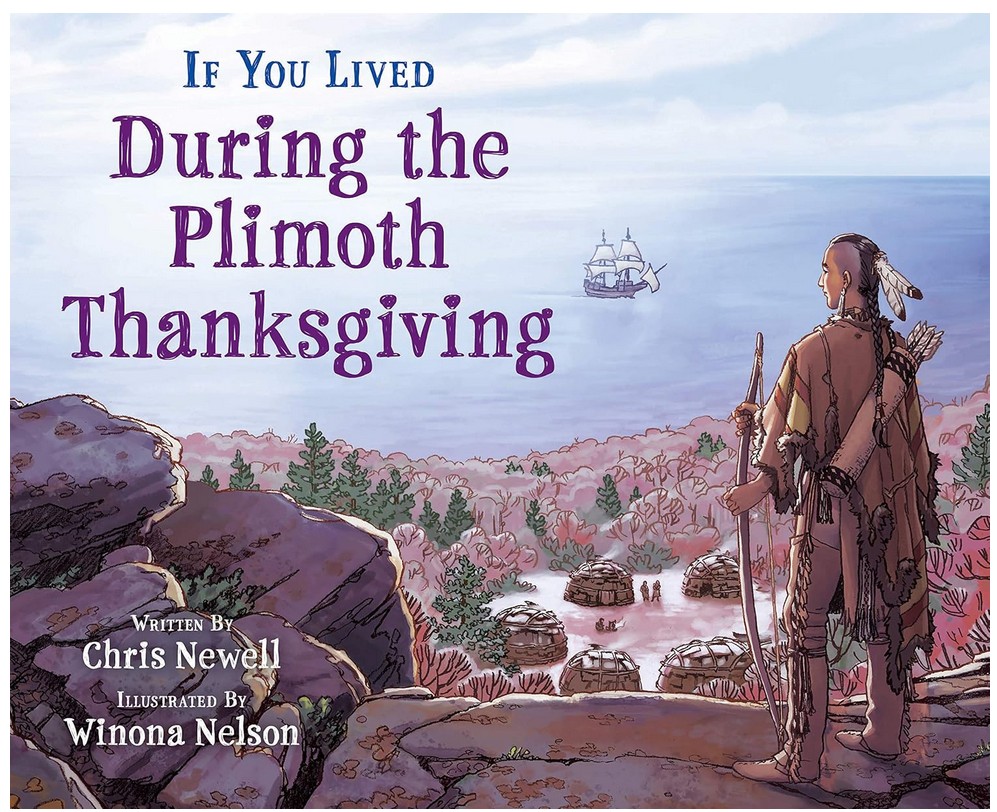
If You Lived During the Plimoth Thanksgiving
by Chris Newell
7+
Score
8.6
96
What if you lived when the English colonists and the Wampanoag people shared a feast at Plimoth? What would you have worn? What would you have eaten? What was the true story of the feast that we now know as the first Thanksgiving, and how did it become a national holiday?
Chris Newell answers all these questions and more in this comprehensive dive into the feast at Plimoth and the history leading up to it. Carefully crafted to explore both sides of this historical event, this book is a great choice for Thanksgiving units and for teaching children about this popular holiday.
Unlike many books about the Mayflower landing, If You Had Lived During the Plimoth Thanksgiving focuses on how Europeans affected the Native peoples, especially the Wampanoag, who had lived in the area for thousands of years. The book discusses the cultural differences between the Europeans and the Wampanoag tribe. For example, the Native tribes did not view land as personal property, nor did they believe it should be changed. Instead, “All Wampanoag people worked for the good of their village, and the welfare of the village depended on preserving nature’s systems. By following the natural cycles of life in everything around them, the Wampanoag and other tribes adapted and thrived for thousands of years before the arrival of European ships.”
As the colonists expanded, Native communities were forced “to give up land and traditional spiritual ways; they were enslaved and indentured with the intention of forcing them to become like the English settlers.” For Native people, the English colony caused devastating consequences. This is one reason some states have replaced Columbus Day with Indigenous Peoples’ Day. For some Native people, Thanksgiving Day is a reminder “of the disease, slavery and war their ancestors endured. . . Many of these tribes have a day of prayer or mourning rather than a feast around that time of year.”
The book also discusses how Thanksgiving celebrations have been held throughout the world for thousands of years. While many are taught that Thanksgiving began the first year the Mayflower landed, this is not true. Many may be surprised that it wasn’t until 1863 that President Abraham Lincoln declared Thanksgiving a national holiday as “a way to ‘heal the wounds of the nation’ as a result of the Civil War.”
If You Had Lived During the Plimoth Thanksgiving‘s format will appeal to children. Each chapter begins with a colored question, such as, “What did life for Wampanoag people look like when the Mayflower arrived?” Most pages feature large, full-color illustrations, allowing readers to see the landscape, settlements, and period dress. Words from the glossary appear in bold font, and some pages include colored boxes titled “Did You Know” that provide additional information. While the book’s format will draw readers in, children may need help understanding its complex sentences and vocabulary.
Both children and adults interested in American history will find the book full of facts that prompt readers to examine the holiday’s origins and consider Native peoples’ perspectives. By presenting an honest account of how European colonization impacted Indigenous communities, this book offers an important resource for understanding why recognition of Native voices and experiences matters today.
Sexual Content
- None
Violence
- Six years before the Mayflower landed, a “ship had kidnapped twenty people to be sold into the Native Slave trade.” When the Mayflower landed, “several Nauset men ran out and began shooting arrows at them, thinking they were one more ship coming to steal hostages.”
- English captain Thomas Hunt tricked twenty Wampanoag into boarding his ship. The captain “kidnapped them, along with seven Nauset people, and took them to Spain to sell as enslaved people.”
- The Wampanoag people would kill deer. “They skinned it clean with sharpened bone scrapers made from large animal leg bones.” The hide was used to make many things, including clothes.
- The first war between the Europeans and Native peoples was the Pequot War in 1636. “The war was brutal and weakened the strength of their people to such a degree that they were no longer an obstacle to English expansion in their territory.” There is a one-page illustration of the fighting. The illustration shows houses burning, with Natives and Europeans fighting. One man has been shot in the heart by an arrow, and a Native has been shot with a rifle.
Drugs and Alcohol
- None
Language
- The English called the natives “savages” or “Indians,” which are “inaccurate and dehumanizing” words.
Supernatural
- None
Spiritual Content
- A group of English citizens moved to Holland “to practice Christianity freely as they chose. These people were known as religious separatists because of their wish to separate themselves from the large, established, organized churches of the time.”
- The separatists “referred to themselves as Saints.” The leader of the group that went to America wrote, “They knew they were pilgrims, and looked not much on those things, but lift[ed] up their eyes to the heavens, their dearest country; and quieted their spirit.”
- “Many cultures celebrated days of thanksgiving as part of their religion. They brought this tradition with them from England. The English colonists viewed their relationship with God as a sacred agreement. A day of thanksgiving was a way of honoring that sacred agreement.”
- The Wampanoag and other tribes celebrated days of thanksgiving throughout the year. “Offering thanks through ceremony, prayer, or sharing food acknowledges the gifts of the natural world that give people life.”
“The Doctrine of Discovery of 1493 is still used to justify the United States government’s ownership and control of Native homelands.” –If You Lived During the Plimoth Thanksgiving
Latest Reviews
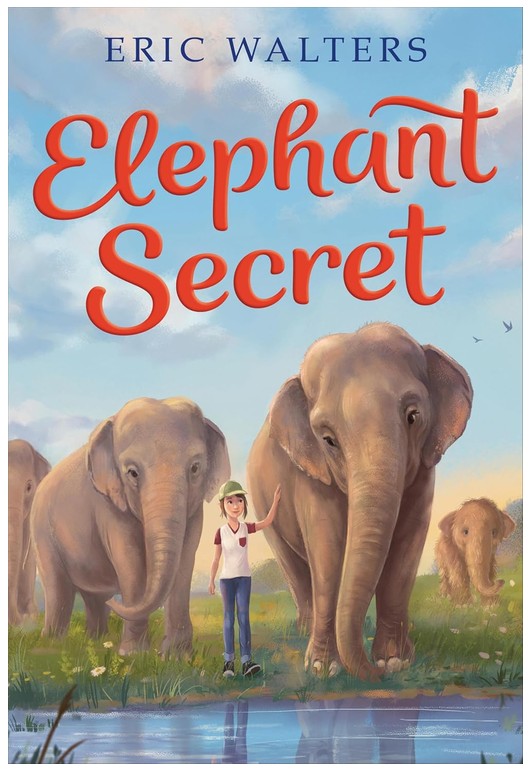
Elephant Secret
Archie Celebrates Diwali
Small Wonder
Haunted Mansion
Wabi Sabi

Impact: The Story of the September 11 Terrorist Attacks

Star Wars: The Wrath of Darth Maul

Olive Oakes and the Haunted Carousel

Star Wars: A New Hope: The Life of Luke Skywalker