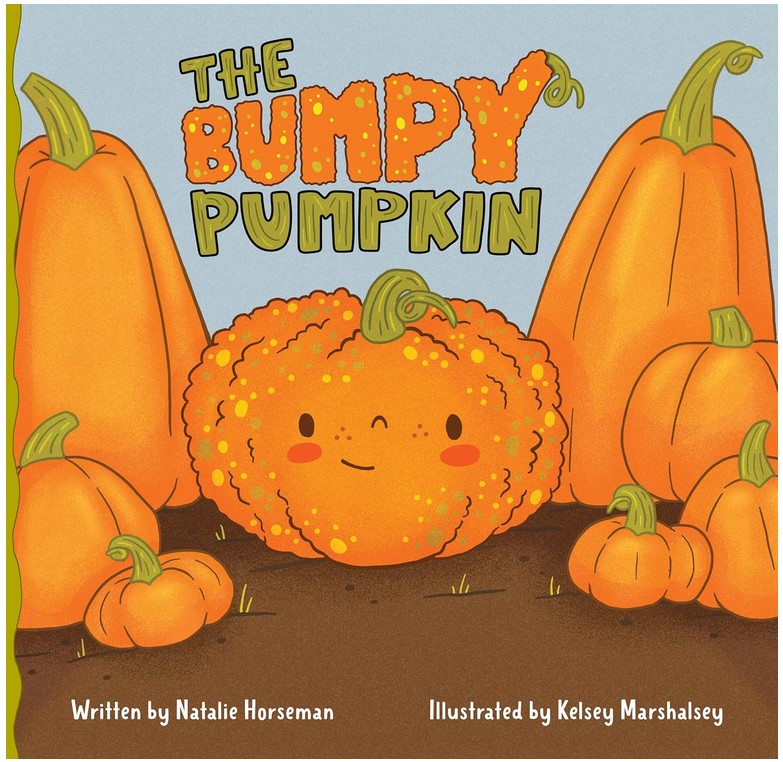


Buy This Book



“And no matter what anyone says / about where we live, it’s ours to love. / Don’t let anyone put it down / or make you feel less than / because of where you come from. / Own it. Love it. Celebrate it,” Mom. –Don’t Call Me a Hurricane
Don’t Call Me a Hurricane
by Ellen Hagan
Diverse Characters
13+
Score
4.5
400
It’s been five years since a hurricane ravaged Eliza Marino’s life and home in her quiet town on the Jersey shore. Now a senior in high school, Eliza is passionate about fighting climate change – starting with saving Clam Cove Reserve, an area of marshland that is scheduled to be turned into buildable lots. Protecting the island helps Eliza deal with her lingering trauma from the storm, but she still can’t shake the fear that something will come along and wash out her life once again.
When Eliza meets Milo Harris at a party, she tries to hate him. Milo is one of the rich tourists who flock to the island every summer. But after Eliza reluctantly agrees to give Milo surfing lessons, she can’t help falling for him. Still, Eliza’s not sure if she’s ready to risk letting an outsider into the life she’s rebuilt. Especially once she discovers that Milo is keeping a devastating secret.
Told from Eliza’s point of view, Don’t Call Me a Hurricane is a story about Eliza’s love for her community, her island, and the natural world. Eliza and her friends are social activists who organize a protest to save Clam Cove Reserve. They get motivation from the Standing Rock Sioux Tribe who protested the Dakota pipeline, as well as the Hawaiian people who protested to keep Mauna Kea untouched. Using beautiful descriptions, readers will be immersed in Eliza’s world, which revolves around the ocean, her family, and her friends. The story shines a spotlight on what happens to the island after a hurricane. After homes are destroyed, the locals can’t afford to fix them, and a wave of rich outsiders begins buying the land to build huge vacation homes.
While much of the story focuses on environmental issues, Don’t Call Me a Hurricane is also about the friends and family that make up a community. Eliza’s life revolves around her large family and many friends, as well as her budding romance with Milo. However, because everything is filtered through Eliza’s thoughts, the supporting characters aren’t well developed, and the large cast of characters makes it difficult to remember how everyone is connected. Despite this, Eliza’s passionate and caring personality makes her a likable protagonist, with whom readers will empathize.
To illustrate the devastation caused by a hurricane, the story contains flashbacks. These sections are marked by a one-page title, making them easy to distinguish. The flashbacks explain why Eliza still has panic attacks, even though the hurricane happened five years ago. To help herself cope, Eliza sees a therapist who gives her a list of coping skills, such as going on walks, meditating, or writing about the event. The therapist says, “Don’t keep it all / bottled up, weighing you down.” Later, Milo shares that he also went to therapy when his parents got a divorce. Both instances serve as reminders that there is no shame in seeing a therapist.
At times, Don’t Call Me a Hurricane‘s climate change rhetoric takes over the story, slows the plot, and shifts the focus away from Eliza’s internal battle between her passion for the ocean and her terror of its destructive capabilities. Since everything is filtered through Eliza’s point of view, her story feels one-sided. In addition, Eliza is judgmental and unwilling to consider other people’s perspectives. In the end, Clam Cove Reserve is saved, but the victory is hollow because the book ends abruptly. Despite the book’s flaws, Eliza’s story will inspire readers to use their voice to advocate for important environmental issues.
Sexual Content
- After meeting a cute guy at the beach, Eliza’s friend reminds her, “You said this was the summer you were gonna let loose / and make out with whoever you wanted to.” Eliza says she didn’t really mean it, saying, “I don’t need to be kissing anyone to make this summer / one to remember.”
- One of Eliza’s friends, Zack, is in an open relationship. Zack says, “Sexuality is fluid. You love who you love.”
- Eliza is reluctant to get to know Milo because he’s from out of town. She thinks, “I haven’t dated anyone for real, / aside from a few hookups.”
- Eliza often thinks about her desire to kiss Milo. For example, after a day of surfing with Milo, Eliza wants “to hold him around the waist / and ride each wave to the shore… I want him… Taste the salt on his skin.”
- After spending time together, Eliza reaches up to “hold the back of his neck, / in the palm of my hand / and press my lips to his. / A first kiss / because I can’t be patient anymore. / Want him too much… My mouth open to his. Reaching. Holding on.” Eliza thinks the kissing lasts forever. “His mouth on mine / and then my neck and shoulders. / A heart rising.” The kissing is described over half a page.
- Milo asks Eliza out on a date. He says, “I wake up from dreams of you, / I am going to be thinking about you / and your lips and this kiss.” Then, he kisses her.
- Milo makes Eliza feel emotions that are new to her. After talking to him, she takes a breath: “Know I need to keep breathing / in order to keep kissing / and I so want to keep kissing… I lean across the table / put my mouth on his. / And want to keep it there infinitely.”
- Milo and Eliza are kissing in the lobby of a hotel. When his stepmother sees them, she invites Eliza to join them in their suite. His stepmother says the locals are drunks and sluts because “the only thing to do is drink and…”
- Milo and Eliza take a shower but leave their swimsuits on. Eliza stands “on my tiptoes to reach / his mouth. / The taste of spearmint / on his tongue. I am lost… ” Eliza’s parents come home, and Milo sneaks away.
- During a protest, Milo and Eliza go on a walk so they can have privacy. They kiss. Milo’s “hands / are holding my face / and he is leaning down / toward me. / Kissing me. And my hands / find his stomach / and I can feel him / just start to shiver.” Afterward, they profess their love for each other.
Violence
- When Eliza’s brother, Jack, is six years old, he gets swept up in the waves during a hurricane. “His body / appearing and disappearing. Must have / hit his head or hurt himself. He’s in pain / calling to us.” Jack’s father pulls him out of the water, but Jack isn’t breathing. “Jack is lying / on the attic floor, lifeless. / His head is bleeding, must have fallen…” Jack revives after his dad does chest compressions.
Drugs and Alcohol
- When talking to a friend, Eliza “can’t tell if they’re drunk or high.”
- Milo’s friends start trash-talking the island. Milo excuses their behavior by saying, “They’re drunk.” One teen says, “Drunk because there’s nothing to do here / except get drunk.”
- Eliza parties with her siblings and friends. One of them brings beer. Later, Eliza refers to the party, saying she was drunk.
- When Eliza goes home, her parents are drinking wine.
Language
- Oh my god is used as an exclamation once.
- Crap and pissed are used once.
Supernatural
- None
Spiritual Content
- Before going out on the family’s old boat, Eliza thinks, “Fact is, it’s a Hail Mary every time we’re out on the water. / But we all say our prayers and get dressed.”



“And no matter what anyone says / about where we live, it’s ours to love. / Don’t let anyone put it down / or make you feel less than / because of where you come from. / Own it. Love it. Celebrate it,” Mom. –Don’t Call Me a Hurricane
Latest Reviews
Elephant Secret
Archie Celebrates Diwali

Small Wonder
Haunted Mansion
Wabi Sabi

Impact: The Story of the September 11 Terrorist Attacks

Star Wars: The Wrath of Darth Maul

Olive Oakes and the Haunted Carousel

Star Wars: A New Hope: The Life of Luke Skywalker