

Buy This Book



“The true samurai controls their emotions. . . Anger is weakness. Cruelty is weakness. Strength is preparing your mind and body so that you can see what needs to be done and can do it properly,” Samurai Hanzo Uchida. –The Samurai’s Assassin
The Samurai’s Assassin
Warrior Heroes
by Benjamin Hulme-Cross
Good for Reluctant Readers, Teaches About Culture
9+
Score
5.0
160
Trapped in their great-grandfather’s museum and visited by restless ghosts of the past, Arthur and Finn must travel back in time and rewrite history to set the ghosts free. Travel back in time with brothers Arthur and Finn to prevent Tatsushi, a brave Samurai warrior, from making a fatal mistake. After warlord Kenji Kuroda kills Tatsushi’s father, Tatsushi is determined to get revenge. Will the boys convince Tatsushi to choose a different path in life and escape the clutches of the deadly tyrant Kuroda in time to make it back to the present?
In this installment of the Warrior Heroes Series, Finn and Arthur meet the siblings Mayuko and Tatsushi. After witnessing his father’s murder and his sister’s kidnapping, Tatsushi vows to save his sister and kill Lord Kuroda. The three boys follow the enemy samurai on a perilous journey. Along the way, they are joined by a mysterious monk. The monk, Finn, and Arthur are determined to keep Tatsushi from reacting in anger. Tatsushi is reminded often: “We should only kill them if it will help us achieve what we are here for. . . You may desire revenge but you must never act on it.”
The Samurai’s Assassin is an action-packed adventure that teaches about the samurai’s ways. Most of the book focuses on the journey to Lord Kuroda’s castle. As they travel, the group faces numerous dangers, making the story fast-paced. However, there is very little character development. Instead, the focus is on Tatsushi’s desire for revenge and everyone’s desire to keep Tatsushi’s anger under control.
Even though The Samurai’s Assassin is part of a series, the books do not have to be read in order because each book focuses on Arthur and Finn going back to a different time period and wraps up the storyline. Each book in the series follows a familiar pattern, but there are enough differences to make each story unique and exciting.
The historical facts of The Samurai Assassin highlight the samurai’s hope to solve problems peacefully and dispel any falsehoods portrayed in modern media. The brothers face dangers but engage in battle only when necessary. The appearance of a monk adds a mysterious element to the story. However, the monk often takes over, leaving the boys to follow his lead; this makes the victory hollow. In addition, Arthur and Finn do little to help Tatsushi other than shoot arrows at the enemy. Given the brothers’ insignificant role, readers may wonder whether their presence was necessary.
Even though the character development is lacking, readers will still enjoy stepping into the world of the samurai. Readers will appreciate Finn’s role in helping Tatsushi as well as his knowledge of the samurai’s ways. The story emphasizes the importance of avoiding hasty decisions made out of anger, as well as the value of using nonlethal force when possible. Even though Lord Kuroda is killed, his men are allowed to retreat without the threat of retaliation. The Samurai’s Assassin delivers an entertaining story that reflects the samurai’s beliefs and culture.
Sexual Content
- None
Violence
- Samurai believed ritual suicide was honorable. “They’d slit their own bellies open rather than face dishonor.”
- During a ritual suicide, “you sit down in front of a crowd, take a dagger, grit your teeth and cut your own belly open. . . If it hurts too much the samurai has someone standing behind them ready to chop off their head and put them out of their misery.”
- The samurai Hanzo Uchida died an unjust death. His son “wanted to avenge [his] death, but he acted rashly,” causing the villagers to be massacred. Hanzo Uchida wants Finn and Arthur to go back in time and keep his son from killing in anger.
- Finn befriends Mayuko and Tatsushi, two Japanese teens. When the three friends get to the village, they find Mayuko and Tatsushi’s father dead. “Face down in the mud lay a simply-dressed samurai, his long hair streaking out into a growing pool of blood.”
- Samurai used many weapons, including a sword, spear, bow, and kusari-fundo. The book explains the weapons and their use. For example, “you can use the weight on one of the ends of the [kusari-fundo] chain to crush your enemy’s skull.”
- Mayuko is kidnapped. Finn, Arthur, and Tatsushi follow the enemy. Tatsushi frees Mayuko. Afterwards, “at Tatsushi’s feet lay two bodies.”
- The enemies attack the four friends. “Two of [the enemy samurai] fell as they ran, Finn and Arthur both finding their mark. The larger mob of Kuroda. . . bellowed in rage and began running towards them, brandishing swords and spears. . .” The four friends run as “spears hissed into the ground around them.” The teens escape without injury.
- The four teens, a servant named Ryu, and a monk are traveling when Ryu sat bolt upright. His eyes rolled up in his head and he fell forward to reveal the shaft of an arrow thrusting up from his back.” The teens hide, but Ryu is dead.
- The monk confronts the men who killed Ryu. “Then in a flash of impossibly quick motion he crouched down, grabbed the end of his staff and drove the other end up in the air to connect with one of the horsemen’s faces. . . He gave two more swift thrusts and all three men toppled to the ground.” The men are knocked unconscious.
- While scaling a castle wall, a man looks out the window. The monk “brought his staff down off the roof and jabbed the tip down. It connected with the base of the man’s neck, and the immediate danger was over.”
- Finn and five others scale the castle. When they reach the top, a man comes out of a roof hatch. Tatsushi “sprinted across the roof towards the guard, parrying the man’s vicious spear-thrust and charging into his chest. The guard stumbled backwards, tripping. . . and with a terrified shriek, toppled sideways over the edge of the castle.”
- Another man comes out of the roof hatch. “Finn’s arrow was lodged in his chest before he could move any further.”
- The enemy, Lord Kuroda, agrees to fight the monk, Akira. Akira “crouched, twisted his staff to vertical and thrust powerfully upwards into Kuroda’s chest. The warlord grunted, his eyes wide with shock as he was propelled backwards through the air, and with a final roar of rage, soared over the edge of the roof and down into the darkness below.” Lord Kuroda’s men flee.
- One page describes the clever ways an enemy would be killed if they attacked a castle. For example, “pouring hot sand out of windows onto your attackers.”
Drugs and Alcohol
- Mayuko and Tatsushi’s father, Lord Kuruyama, was killed by poison.
- While outside a village, Finn and his companions hear “raucous laughter of drunk men.”
Language
- None
Supernatural
- Arthur and Finn’s grandfather created a museum about warriors throughout history. The museum is haunted, and when the grandfather died, “he started haunting the place too. He felt guilty about the trapped ghost warriors and vowed he would not rest in peace until all the other ghosts were laid to rest first.”
- When one of the ghost warriors touches the boys, we get transported to the time and place where the ghost lived and died. And we can’t get back until we’ve fixed whatever it is that keeps the ghost from resting in peace.”
Spiritual Content
- When Finn time-travels, he ends up in the ocean. He prays “he would see some way out of this nightmare that he had swapped for the Professor’s study.”
- While talking about avenging the death of Tatsushi’s father, Finn “prayed that his brother had something that would keep their friend in check.”
- When Tatsushi frees is sister, five men give chase. Finn and Arthur prepare to help. Finn prays “that their enemies would have all eyes on Tatsushi’s band.”
- While Finn is scaling a castle wall, a man looks out the window. Finn “looked up at the roof above, praying that one of the others would see the predicament he was in.”
“The true samurai controls their emotions. . . Anger is weakness. Cruelty is weakness. Strength is preparing your mind and body so that you can see what needs to be done and can do it properly,” Samurai Hanzo Uchida. –The Samurai’s Assassin
Latest Reviews
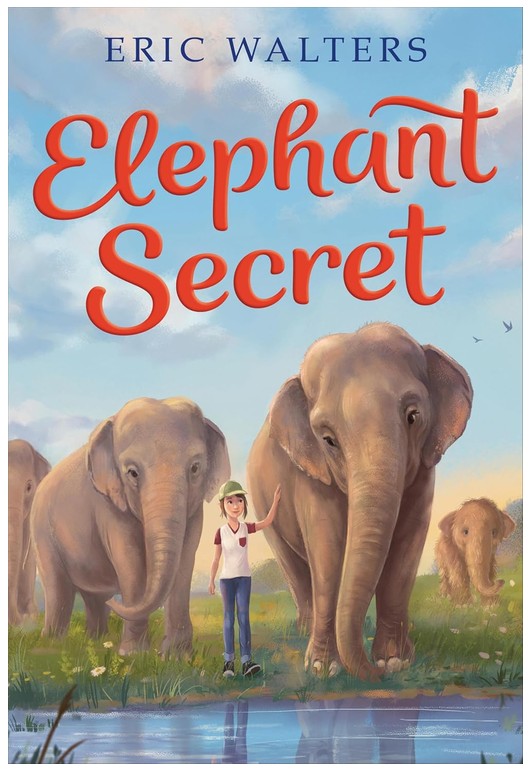
Elephant Secret
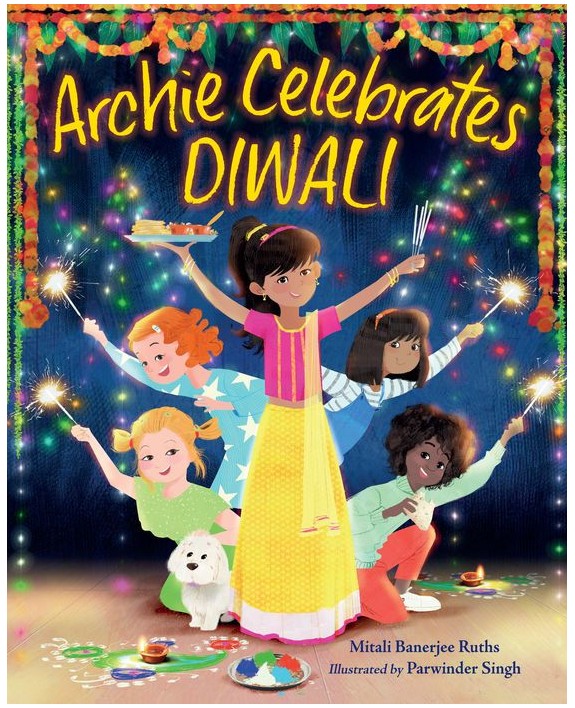
Archie Celebrates Diwali
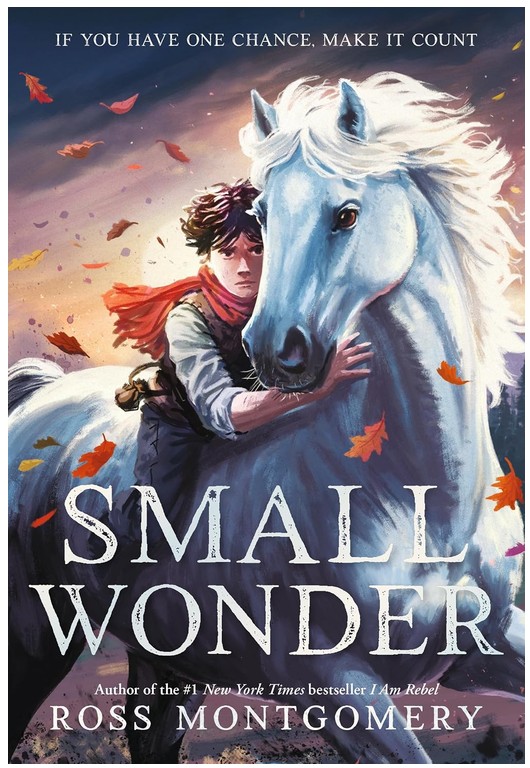
Small Wonder
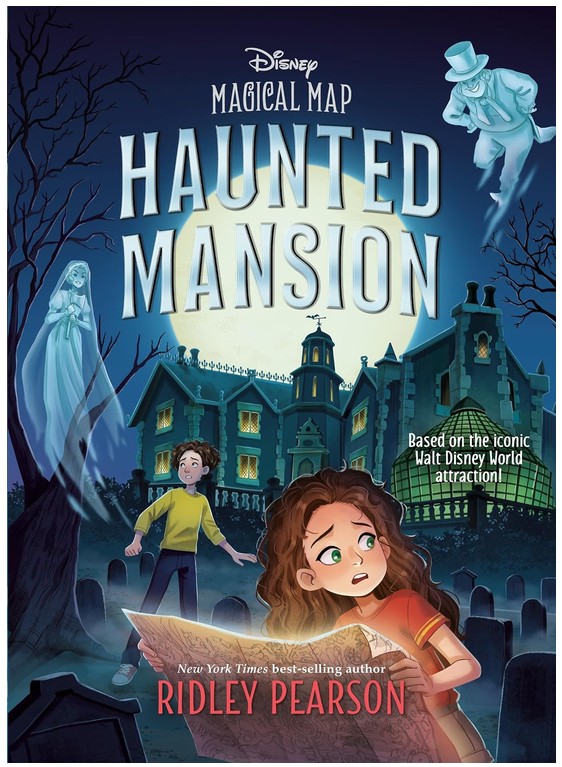
Haunted Mansion
Wabi Sabi

Impact: The Story of the September 11 Terrorist Attacks

Star Wars: The Wrath of Darth Maul

Olive Oakes and the Haunted Carousel

Star Wars: A New Hope: The Life of Luke Skywalker