

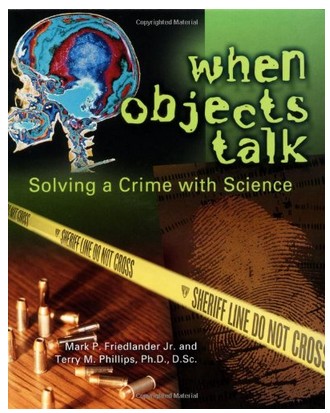


When Objects Talk: Solving a Crime with Science
by Mark P. Friedlander Jr. & Terry M. Phillips
AR Test
12+
Score
7.2
117
When you think of the people involved in a murder investigation, you probably think of police officers, lawyers, and judges, but what about scientists? Forensic specialists use scientific tools and processes to help solve crimes. When Objects Talk looks at many of these procedures, including DNA testing, bloodstain pattern interpretation, blood testing, fingerprinting, ballistics, autopsies, and forensic anthropology. Combining facts and fictional storytelling to illustrate the theory and practice of forensic science, this book shows how science answers the important question: whodunit?
When Objects Talk explains forensic science “as it relates to solving criminal cases, particularly murder.” While most of the book is nonfiction, there is a fictional case where two detectives are trying to solve a woman’s murder. This story is told throughout the book so readers can see how specific evidence ties to a murder investigation. Each time the book returns to the murder, there is a subheading titled “The Case” and a magnifying glass, making the transitions easy to follow. Additionally, the fictional investigation is printed in bold font.
The fictional murder investigation will quickly grab readers’ attention, making the science of solving murders interesting and applicable. The two detectives, Elizabeth Sullivan and Mario Basquez, follow the clues, allowing readers to see how they connect the evidence to the murderer. Readers can see the detectives’ thought processes and learn about the detectives’ jobs. For instance, during an autopsy, one of the detectives must be present. However, detectives new to the job may not be able to handle watching the entire procedure.
While the detective story is interesting, the explanations of the various scientific tools used in murder investigations are detailed, making the book best suited for readers with a strong interest in the scientific process. The book thoroughly explains the people and processes in this field. Unlike the television shows CSI: Crime Scene Investigation and NCIS, the methods are not glamorized, which may disappoint some readers.
Even though When Objects Talk is written at a high reading level, the book explains many of the vocabulary words within the text. For example, “The word forensic means ‘relating to or concerning the law.’ Forensic science means using the tools of scientific study in law enforcement and court cases.” To help readers understand the criminal system, two pages explain the principal players, such as a homicide detective, a coroner, and a magistrate. Each detail of a murder investigation is explained, including the autopsy, which may upset sensitive or squeamish readers.
Readers who love both science and crime will find that When Objects Talk offers a fascinating, unglamorized look at how murders are truly solved — though those sensitive to descriptions of autopsies and body parts should be forewarned. Fans of the genre will also want to add Scene of the Crime: Tracking Down Criminals with Forensic Science to their reading list for further exploration of the topic.
Sexual Content
- None
Violence
- Edmond Locard, a French criminologist, was the first person to try to find evidence proving a person had contact with someone. After setting up a crime lab, Locard had a difficult case. “A young woman who had been strangled to death. Her boyfriend was the prime suspect. . .” After finding evidence that the boyfriend lied, he confessed. The paragraph explains what evidence was found at the crime scene. There is also a dead body lying in the grass. Everything is covered except the feet.
- In the fictional murder case, a woman calls the police because her neighbors haven’t been seen in days. When the police arrive, they find an unlocked door and “they discover the body of a woman. Ann Marlboro has been brutally murdered!” The detectives look at the blood splatter. On the next page is a picture analyzing bloodstain patterns.
- How an autopsy is performed is described over four pages. One paragraph describes how the medical examiner looks at the brain. “To expose the brain, the skull is cut open with a special electric oscillating saw. . . Then he or she lifts the brain toward the back of the skull and cuts the optic tracts and spinal cord. The brain is removed, weighed, and examined.”
Drugs and Alcohol
- During the investigation, the detectives find “a prescription for [the victim] from a European pharmacy. It was for sleeping pills, but the Europeans still use barbiturates. [The medical examiner] found barbiturates in her gastric fluid.”
Language
- When the dead woman’s employer finds out she was murdered, he says, “Oh, my God.”
Supernatural
- None
Spiritual Content
- None



“I think that skull was talking to us,” Detective Sullivan. –When Objects Talk
Latest Reviews

Florette

The Cursed Spotlight

When Tomorrow Burns

Pirates of the Caribbean

How to Save an Otter
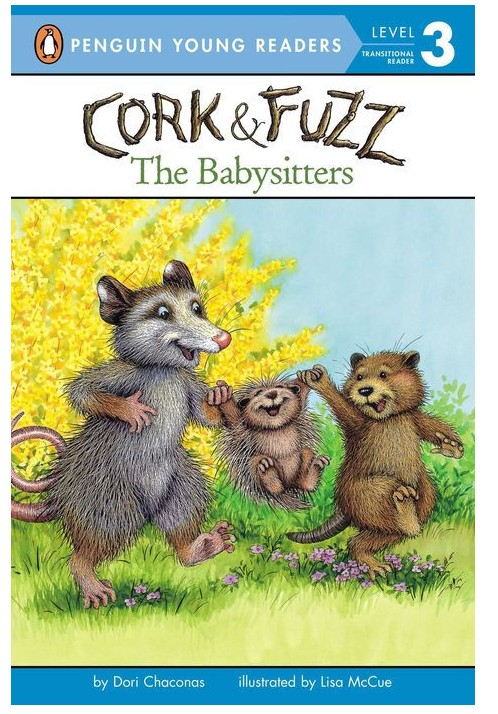
Cork and Fuzz: The Babysitters
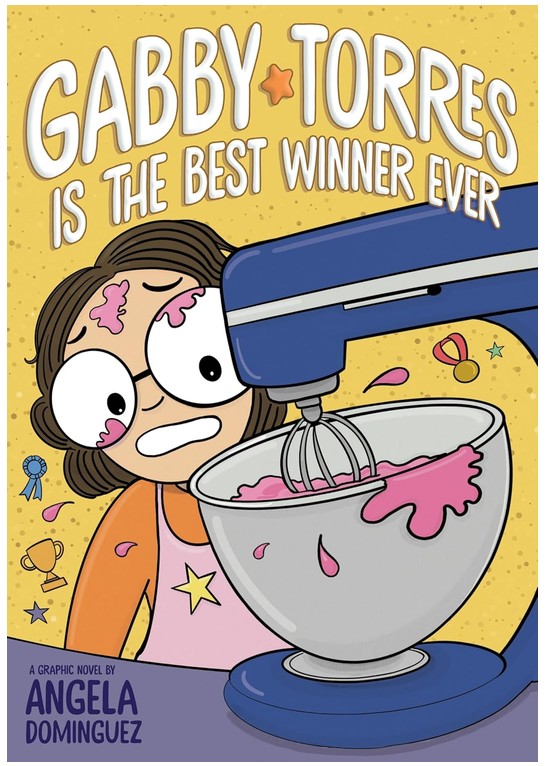
Gabby Torres is the Best Winner Ever

Eureka

The Bathhouse