
Buy This Book


“At Loch Ness, the opportunities to be deceived are legion.” –Is it Real? The Loch Ness Monster
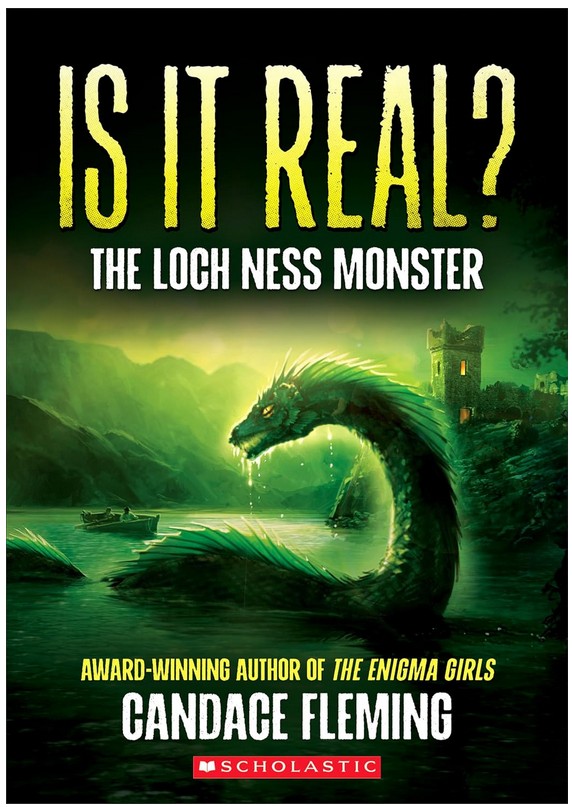
Is It Real? The Loch Ness Monster
by Candace Fleming
Must Read
8+
Score
6.0
160
Nestled in the lush green hills of the Scottish Highlands lies Loch Ness, a deep, murky lake with a storied history. It is also the home of the Loch Ness Monster. Numerous stories and photographs by people claiming to have spotted the mysterious monster have surfaced, often gaining immediate fame. But after decades of countless expeditions, documentaries, firsthand accounts, pictures, and videos, the mystery of Nessie continues to haunt us.
Now, Sibert Award-winning author Candace Fleming invites you to become a detective and join the race to uncover the truth. You’ll learn how real-life detectives and scientists conduct their investigations to solve the greatest mysteries as the principles of the Scientific Method and more tools for boosting critical thinking and analysis are introduced. You will consider the evidence, see if you can tell the difference between fact and fiction, and maybe you can answer this age-old question about the Loch Ness monster: Is it real?
Is it Real? The Loch Ness Monster instantly engages readers by putting them into the narrative, saying, “You are an investigator for the Black Swan Scientific Investigation (BSSI) team. Your job is to unravel—if you can—the natural world’s greatest mysteries.” Readers will delve into the case files, which include witness statements, expert accounts, media reports, pertinent documents, and other relevant information. Each piece of evidence is broken down into clear sections, often accompanied by graphics, photographs, and illustrations to aid readers in understanding the text. For example, one witness report is similar to a scene in the silent movie The Lost World. A still photograph from the movie allows readers to see how the Loch Ness Monster resembles the prehistoric creature depicted in the film.
When new information is presented, Fleming expertly guides readers through the thought process, enabling them to determine whether they believe the evidence. For example, readers will learn the difference between direct evidence and circumstantial evidence. A sample case undergoes detailed analysis, illustrating how the evidence can be interpreted in various ways. Throughout it all, readers must use critical analysis skills. Readers are reminded that, “[Evidence] seems far-fetched, but as an investigator, you follow every lead. You don’t decide if something is true or not until you have all the facts. You never make assumptions.”
While the book presents real evidence about the Loch Ness Monster sightings, it also includes scientific facts that help readers understand and process the information. For example, some may accuse a witness of lying to gain attention. However, using a photograph that some believe is of the Loch Ness Monster, Fleming explains how the human brain sees significant things in random images. By using the actual photograph of the monster, readers can see how the cropped, blurry picture of another photograph could be the monster, a log, or something entirely different.
One of the best parts of Is it Real? The Loch Ness Monster is that Fleming presents and explains the evidence without adding her opinions. Instead, the information is presented in an unbiased manner, allowing readers to interpret the evidence independently. The text also defines words and concepts, making the book easy to read. Some of the skills readers will learn include: 1) how to gather evidence, 2) how to determine if a person is a credible witness, 3) how to analyze photographs, 4) how to compare a reporter’s notes to a news article, 5) how to ask good questions, and 6) how to spot a lie.
In today’s world, the media frequently attempts to manipulate people by employing fake news, emotional appeals, and other deceptive tactics. Today’s children need to develop media literacy and critical thinking skills that will help them make informed decisions and become responsible adults. Is it Real? The Loch Ness Monster is a must-read because it teaches readers how to analyze every side of a story and then make their own decision on whether the Loch Ness Monster is real. Readers who want to learn even more about the Loch Ness Monster should also read Behind the Legend: The Loch Ness Monster by Erin Peabody. Readers can fall into the world of other mythological creatures by reading The Unicorn Rescue Society by Adam Gidwitz.
Sexual Content
- None
Violence
- None
Drugs and Alcohol
- None
Language
- None
Supernatural
- None
Spiritual Content
- None
“At Loch Ness, the opportunities to be deceived are legion.” –Is it Real? The Loch Ness Monster
Latest Reviews

Florette

The Cursed Spotlight

When Tomorrow Burns

Pirates of the Caribbean

How to Save an Otter
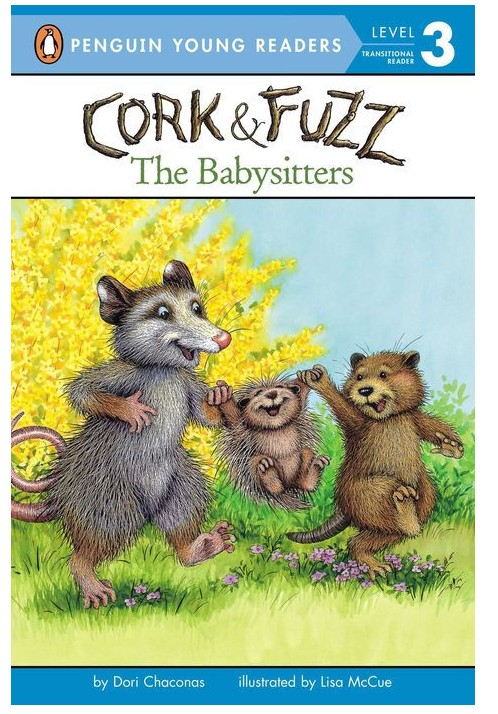
Cork and Fuzz: The Babysitters
Gabby Torres is the Best Winner Ever

Eureka
The Bathhouse