



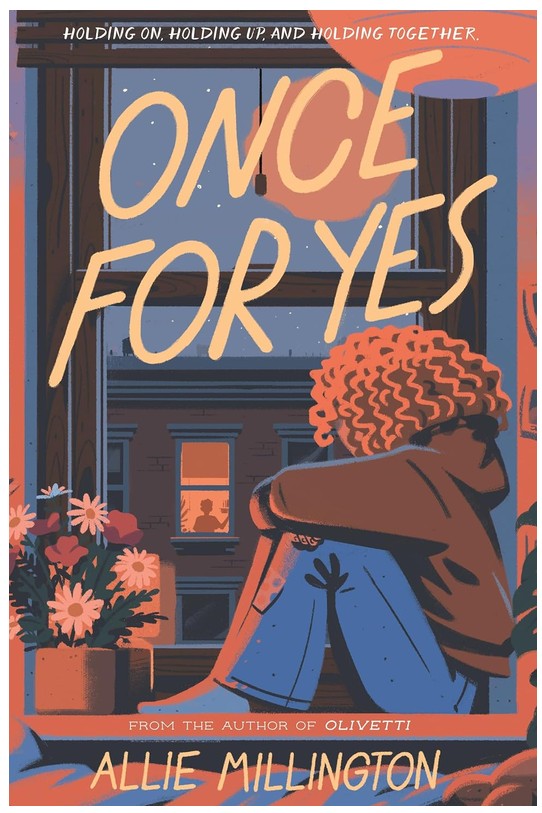
Once For Yes
by Allie Millington
8+
Score
4.4
272
The Odenburgh, an old apartment building made of brick and blunt opinions, is the last of its kind in a swiftly changing neighborhood. After years of putting up with people and their many problems, the Odenburgh knows there’s no point in getting attached. They all just leave eventually. A truth that comes all too soon when the building is sold and slated for demolition, giving tenants a month to move out.
No one is more troubled by the news than eleven-year-old Prue, who refuses to leave her family’s apartment. Not when it was the last place she lived with her sister Lina, before she lost Lina forever. When Prue launches a plan to save their home, the Odenburgh joins in—flickering lights, jamming elevators, triggering fire alarms—all to try and bring a building full of bickering residents together. In the process, Prue meets Lewis, an eccentric boy who lives across the street—and the only one who can help her discover the missing elements of her sister’s story.
Once For Yes is told from the unique perspective of an apartment building, giving readers a glimpse into each tenant’s life. Still, the building’s attention returns again and again to Prue, who is determined to save the Odenburgh because she’s afraid of losing the memories of her sister, who recently died. Many readers will relate to Prue as she struggles to deal with Lina’s death, her family, and her friendship with Lewis—her emotions are a raw and honest mirror of grief. Like many who have lost someone, Prue comes to realize she will never fully understand why Lina died. The Odenburgh says it best: “What-ifs are like cracks in concrete. The more they spread, the harder it is to stand.”
The book also offers glimpses into the lives of the other tenants. To distinguish whose story each chapter follows, every chapter opens with the character’s name and where they live in the building. Even though many of the characters are merely acquaintances, the story clearly shows how they are interconnected. For example, one woman loves plants and keeps an abundance of them on her balcony. The man who lives next to her doesn’t like her overgrown flowers invading his space, so he snips them off. The flowers fall, landing on the balcony of an older woman who lives below, and she places them on the bench dedicated to Lina. Each character has a distinct personality, but they all share the same underlying fears and emotions, and over the course of the book, the tenants learn that they are stronger as a community than they ever were apart.
The story is written in short chapters, and this economy of words is one of the book’s strengths, allowing the emotions of the Odenburgh and its tenants to shine through without excess. Even with a large cast, each character is distinct enough to be memorable. The book also explores grief and community through simple, concrete examples that young readers will understand, and the structure itself reinforces the theme—separate lives, once viewed together, revealing a single, larger story. Even though the Odenburgh is just a building, by the end readers will find themselves crying both tears of joy and sorrow when it is finally torn down. And like people, readers will see how the Odenburgh lives on after its demolition, carried forward in the memories of everyone it sheltered.
Once For Yes is a tender, inventive middle-grade novel that uses its unusual narrator to say something true about loss, belonging, and what it means to call a place home. Prue’s grief feels authentic rather than sentimental, and her friendship with Lewis offers warmth without ever undercutting the seriousness of what she’s facing. By giving voice to a building instead of a single narrator, the story widens its lens just enough to show how grief and community ripple outward, touching lives that might otherwise never intersect. Young readers navigating loss of their own will find comfort here, and all readers will come away with a reminder that the places and people we lose are never entirely gone—they linger in the cracks, the memories, and the communities they helped build.
Sexual Content
- None
Violence
- Lina was killed when a drunk driver hit her.
Drugs and Alcohol
- None
Language
- One tenant calls her sister a snitch.
- Heck is used once.
Supernatural
- A tenant, Lewis, has a “Destiny Devices” collection of things that he hopes will give him good luck. These include a horseshoe key chain, a rosary, a three-leaf clover, a fortune cookie, and other items.
- Lewis uses a Magic 8 ball to give him answers about what he should do.
- The Odenburgh communicates with Prue and Lewis by turning the lights off and on. In one instance, Lewis is crying, and the elevator stops between floors. The building thinks, “I held Lewis as he cried. For as long as he needed me to.” After Lewis calms down, he says, “I don’t. . . know how this works, or who I’m talking to exactly, or even if you’re listening. . . But I think I have a plan.”
- At first, Prue thinks that Lina is using the lights to communicate with her.
Spiritual Content
- None

“Friendships are like water leaks. Who knows how they start.” –Once For Yes
Latest Reviews
Once For Yes

How to Save a Tortoise

The First Thanksgiving
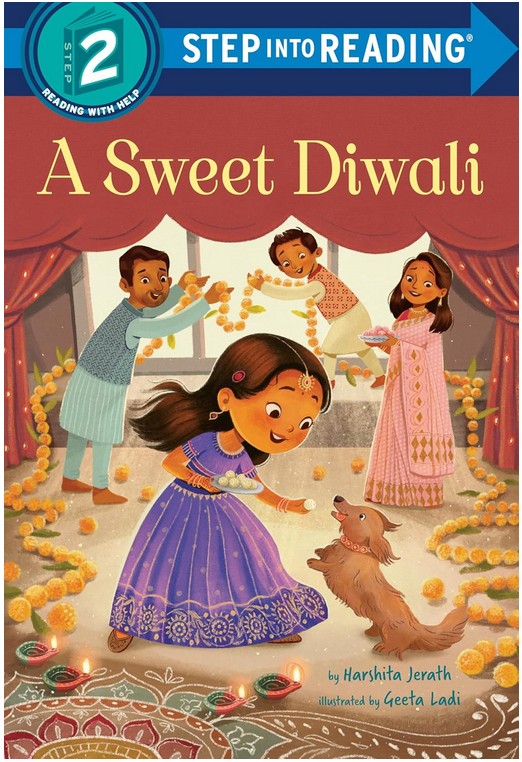
A Sweet Diwali
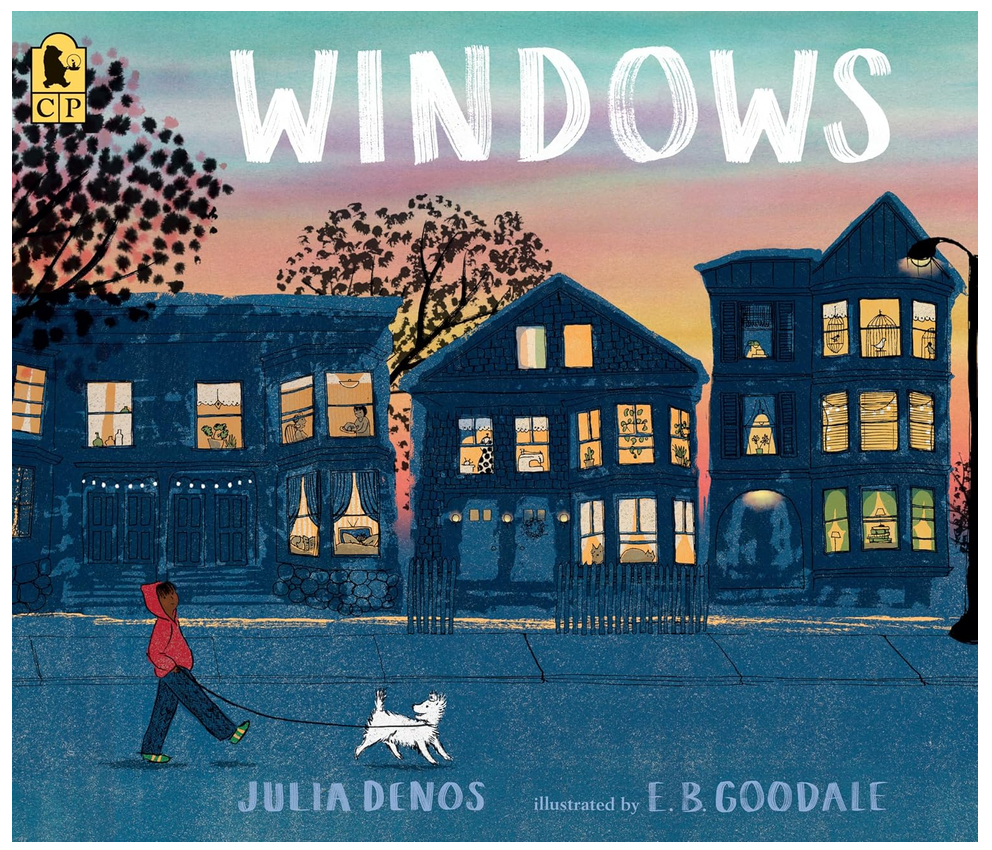
Windows
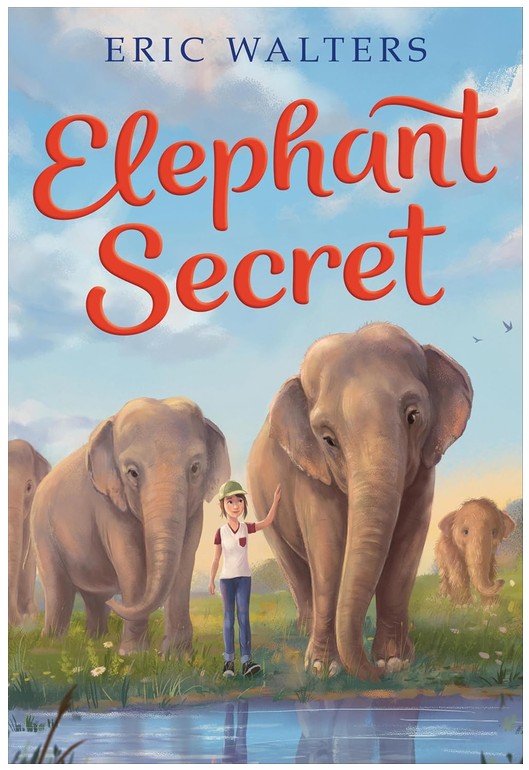
Elephant Secret

Archie Celebrates Diwali

Small Wonder
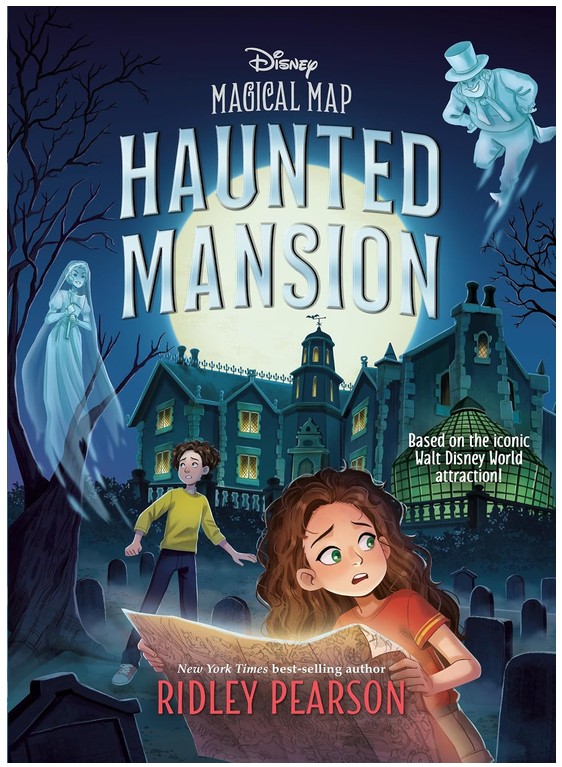
Haunted Mansion