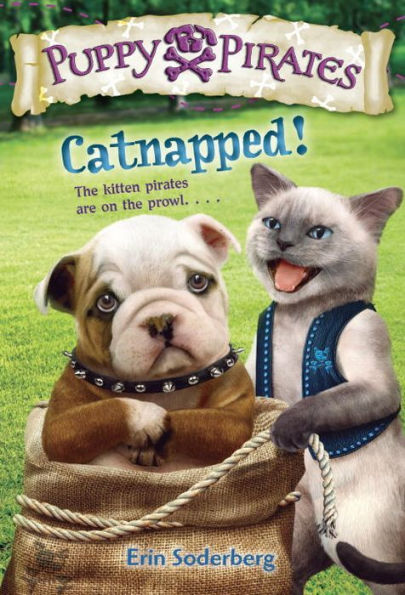
Catnapped!

Fighting like cats and dogs? Exactly! The puppy pirates played a prank on the kitten pirates and meow! the kittens sure are mad. After an ambush, the kittens capture some of the Salty Bone’s crew. The puppies are able to find their way out of lockup, but how will they escape the ship? Can the pups escape the kittens’ claws? It’s dogs versus cats, and may the best pirates win.

Catnapped shows that even the bravest pirates sometimes feel fear. For instance, Wally is terrified of the water. Despite his fear, Wally jumps to the rescue when his friends need him. While escaping the kittens’ pirate ship, someone drops an oar which floats away. Wally swims in the ocean so he can retrieve the boat’s oar. Without Wally’s bravery, the puppy pirates would have been stranded in the middle of the ocean.

Even though the puppies’ pranks are humorous, the story shows how one prank can cause a host of problems. When Wally and the others finally break free, some of the puppies want to seek revenge. Old Salt gives wise advice, “Consider your next steps carefully, Captain. I just mean, maybe it’s best to end this here. Don’t go looking for more trouble.”

Each book in the Puppy Pirates Series focuses on the same characters while still adding plenty of unexpected action to the story. The black and white illustrations are adorably cute and will also help readers understand the story’s plot. With short chapters, large text, and illustrations every 1 to 5 pages, Catnapped is the perfect book for readers ready for chapter books.

Catnapped takes the feud between cats and dogs and creates an entertaining story that pirate-loving readers will enjoy. Young landlubbers will be eager to find out how the pirate puppies escape the kittens’ claws. With 7+ books in the series, the Puppy Pirates Series has plenty of adventure to entertain readers.

Sexual Content

  • None

Violence

  • The kitten pirates ambush the puppies. “The cats were clearly angry, all hisses and claws.” A puppy turns on the sprinklers, and “the kitten pirates panicked and ran toward the trees.”
  • The kitten pirates trick the puppies. “A net fell from the tree, right on top of Wally, Henry, Spike, and Puggly.” The kittens lock them up at the bottom of their ship.
  • As the puppies escape in a dingy, the cats throw hairballs at them.

 Drugs and Alcohol

  • When some of the puppy pirates are kidnapped, the puppies escape by giving the kittens catnip. The kittens “squealed and squeaked and flopped all over the wooden dock. They were out of control.”

Language

  • A kitten pirate calls two pugs “scurrrrrvy dogs.”
  • A puppy calls a group of kittens “hairballs.”
  • A dog says the kittens are “just a bunch of pussycats.”

Supernatural

  • None

Spiritual Content

  • None

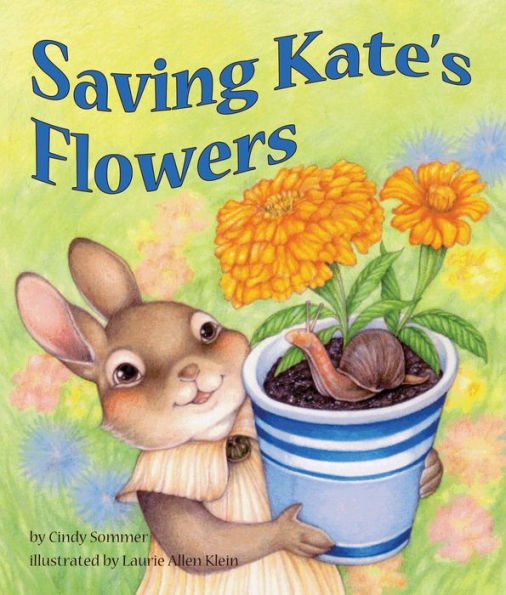
Saving Kate’s Flowers

Fall is here and Kate, who is a rabbit, is determined to save her flowers from the winter cold. Mom shows her how to scoop the flowers out of the ground, transplant them into pots, and give them water. Kate pots a couple of flowers . . . and then some more … and a few more. ate has filled the house with flowers, but Dad’s sneezes mean the flowers have to go! Kate realizes she needs to find a new place for her flowers to spend the winter, but where?

Saving Kate’s Flowers is a fun story that introduces readers to different types of flowers—black-eyed susans, impatients, geraniums, and goldenrod just to name a few. The story also explains the difference between perennials and annuals. Readers will relate to Kate, who doesn’t want any of the flowers to die. When the overzealous Kate pots too many plants, her mom helps her find a way to save them. With a little help, Kate’s flowers find a new home with her neighbors.

Kate’s world comes to life in beautiful full-colored illustrations that are packed full of details. Readers will enjoy finding the snail that appears on almost every page. Butterflies, worms, and insects are also in many of the pictures. The story includes a 4-page “For Creative Minds” section in the back of the book and a 27-page cross-curricular “Teaching Activity Guide” online. Each page has 1 to 9 sentences which early readers will need help reading. Even though young readers may need help with the vocabulary, the story explains transplanting plants in a way that young readers will easily understand.

Children will love the adorable animals in Saving Kate’s Flowers, from a turtle listing to an ipod to a pug wearing pearls. Kate’s enthusiasm for plants is contagious and her kind actions show the importance of being a good neighbor. Whether you’re looking for a book that teaches about plants or just a fun family read-aloud, Saving Kate’s Flower is sure to delight. Readers who want to learn more about the joy of gardening should also read Mortimer’s First Garden by Karma Wilson.

Sexual Content

  • None

Violence

  • None

 Drugs and Alcohol

  • None

Language

  • None

Supernatural

  • None

Spiritual Content

  • None


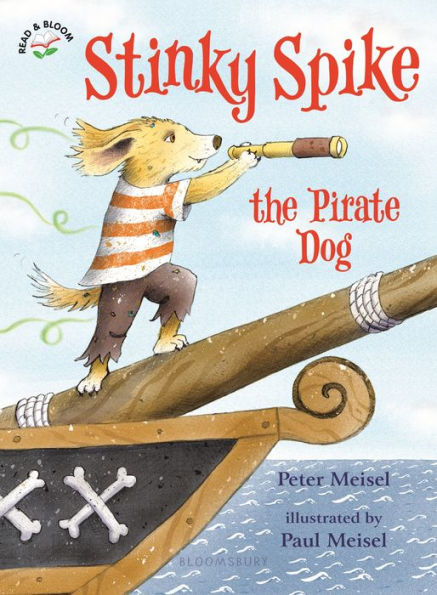
Stinky Spike the Pirate Dog

Ahoy! When this shipyard pup gets lost at sea, he’s rescued by a crew of stinky pirates led by Captain Fishbeard. Spike must prove to the captain he can be a real pirate. Luckily, Stinky Spike has the best nose on the seven seas, and he uses it to sniff out all kinds of treasure. But what happens when Spike’s sense of smell leads him to some very strange loot?

Stinky Spike the Pirate Dog is a silly story with alliteration, onomonopia, and dialogue that makes the story fun to read out loud. The story focuses on how Spike became the Pirate Dog and the humorous, unexpected characters he meets along the way. For example, when Spike was lost at sea, he meets two sharks that don’t want to eat him. The sharks just want Spike to go away because “you stink so bad that you’ll scare away our dinner.” Even though much of the humor comes from all the terrible things Spike smells, readers will also enjoy all of the animals and people Spike meets.

The entertaining story has wonderful, brightly colored illustrations that will tickle readers’ silly bones. Even though the story focuses on animals, Spike also meets a small but diverse group of pirates. The large illustrations add comedy to the story by adding little surprises, like the pirate captain with a peg leg, a parrot on his hat, and fish sticking out of his beard. Stinky Spike the Pirate Dog is told in three chapters; each two-page spread has 4 to 7 sentences.

Fans of the Pirate Puppies Series by Erin Soderberg will quickly fall in love with Stinky Spike the Pirate Dog. While the story lacks pirate language, its humor and unexpected surprises will entertain readers. Plus, the story could lead to a fun discussion on what people and pirates consider to be treasure. If you’re looking for a fun story that your little reader will love, Stinky Spike the Pirate Dog has plenty of treasure inside its pages including interesting characters, humor, and detailed illustrations. Readers who want to read more imaginative pirate stories should also read All Paws on Deck by Jessica Young.

Sexual Content

  • None

Violence

  • While protecting a ship’s cargo, “a group of angry gulls began squawking and swooping and pecking at Spike.”
  • As the seagulls chased Spike, he fell into the ocean. “Spike doggy-paddled toward shore, but the strong current pulled him out to sea.”
  • While lost at sea, “hungry sharks swam slow circles around him.”

 Drugs and Alcohol

  • None

Language

  • None

Supernatural

  • None

Spiritual Content

  • None


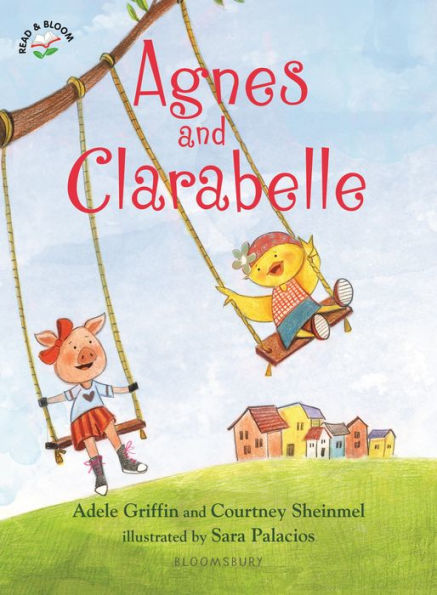
Agnes and Clarabelle

Agnes the pig and Clarabelle the chicken are best friends throughout every season. Whether it’s planning the perfect birthday party in the spring, spending a summer day at the beach, braving a big department store in the fall, or making the very best pizza in winter, they help each other through every up and down. For Agnes and Clarabelle, everything is better when they’re together.

Agnes and Clarabelle is broken into four short chapters. Each chapter is a new story, which makes the book perfect if you’re looking for a quick bedtime story.

Each story focuses on a conflict that young readers will relate to. In chapter 1, “Spring: Surprise Party,” Clarabelle is worried that not everyone will be able to come to her birthday party. On the day of the party, one friend does not show up, but Clarabelle has a wonderful time despite this. In chapter 2, “Summer: Beach Day,” Agnes is “scared of a wave knocking me over or a Frisbee hitting my head.” Clarabelle comes up with a creative solution that takes Agnes’s fears into consideration. In chapter 3, “New Sneakers,” Clarabelle gets lost in a mall but is found. In chapter 4, “Winter: Perfect Pizza,” the two friends make the perfect pizza that is too pretty to eat.

Agnes and Clarabelle’s stories come to life in adorable, full-colored illustrations that show the friends’ varied emotions. Various sized illustrations appear every 1 to 3 pages. The illustrations portray a range of animal characters from a bear security guard to an alligator working at the mall. Readers will have fun finding the brightly colored birds that are on almost every outdoor illustration. Large text and simple sentences make Agnes and Clarabelle easy to understand.

Beginning readers will enjoy Agnes and Clarabelle’s adventures. The stories don’t show perfect solutions to every problem. Instead, Agnes and Clarabelle teaches readers what a healthy friendship looks like. Agnes and Clarabelle is a cute and engaging story that teaches important values. If you’re looking for another book that features friendship lessons, check out the Unicorn and Yeti Series by Heather Ayris Burnell.

Sexual Content

  • None

Violence

  • None

 Drugs and Alcohol

  • None

Language

  • None

Supernatural

  • None

Spiritual Content

  • None

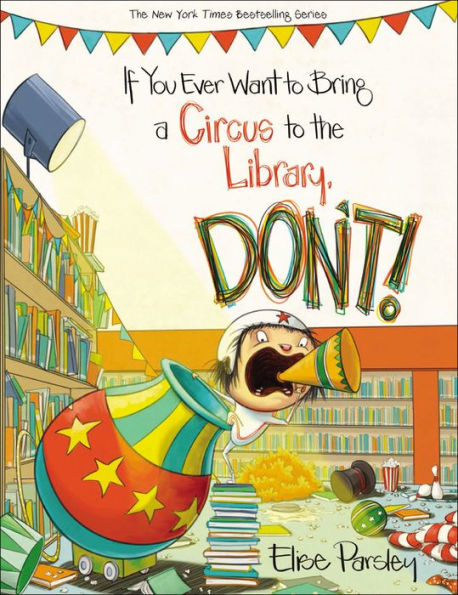
If You Ever Want to Bring a Circus to the Library, DON’T!

If you go to the library and see a poster that says, “You can do ANYTHING AT THE LIBRARY,” it is not giving you permission to put on a circus.

But Magnolia doesn’t see any problem with setting up her own big top. She’s got a whole lot of gusto! Sportsmanship! And a mean human-cannonball routine! So what if her greatest show on Earth won’t fit between bookshelves? It’s not like she’ll wreck the place, right?

Readers will giggle their way through If You Ever Want to Bring a Circus to the Library, DON’T! The picture book uses bright colors and cartoonish illustrations to bring Magnolia’s circus to life. The diverse cast of characters are drawn with hilarious facial expressions that show the characters’ changing emotions. While some of Magnolia’s daring deeds are met with enthusiasm, others are met with dismay.

Readers will love the mischief Magnolia gets into. Parents can use the story to discuss appropriate ways to behave at the library, at school or any other public place. The text is written with large words. “YOU CAN DO ANYTHING AT THE LIBRARY!” is written in red text and appears over and over, which highlights the fact that there are really so many things that you can’t do at the library. Each page has 1-4 sentences. However, young readers will need help with some of the vocabulary and the complicated sentence structure.

The ending is funny, but it also shows everyone working together to clean up Magnolia’s great big giant mess. Be sure to point out the poster on the last page, because it shows how you really can’t bring a circus to the library. If You Ever Want to Bring a Circus to the Library, DON’T! blends both text and illustrations into a hilarious book that is sure to tickle everyone’s funny bone.

Sexual Content

  • None

Violence

  • None

 Drugs and Alcohol

  • None

Language

  • None

Supernatural

  • None

Spiritual Content

  • None

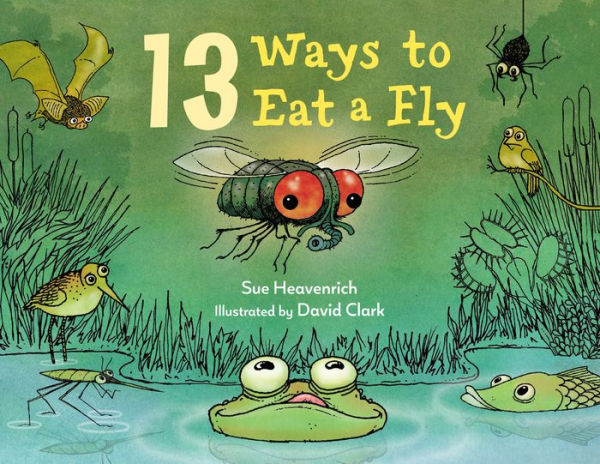
13 Ways to Eat a Fly

Thirteen flies become tasty snacks in this clever reverse counting book about subtraction, predators, and prey.

Science meets subtraction in this fresh and funny STEM picture book with plenty of ewww factor to please young readers. A swarm of thirteen flies buzzes along, losing one member to each predator along the way. Whether the unfortunate insects are zapped or wrapped, liquefied or zombified, the science is real—and hilariously gross. The story includes a guide to eating bugs, complete with nutritional information for a single serving of flies.

Each two-page spread shows how a different predator finds a fly to snack on. While the descriptions are not gory, squeamish readers may find the flies’ deaths disturbing. When a fly gets too close to a Venus flytrap, for instance, “Snap! Bye-bye, fly! Digestive juices inside the leaf dissolve the meaty parts of the fly.” The accompanying illustration shows a fly trying to escape from the plant.

13 Ways to Eat a Fly introduces readers to the cycle of life through rhyming lines and illustrations. The story begins with illustrations of different types of flies. Each page has an oversized number with one keyword, such as zapped and wrapped. Even though each page only has 2 to 4 sentences, the book is intended to be read aloud to a child, rather than for the child to read it for the first time independently. The illustrations use natural colors with pops of brighter colors. In many of the illustrations, the fly’s common name and scientific name appear underneath the fly.

Curious readers will love learning about the many animals, including humans, that rely on flies for food. Any reader who is interested in science and nature will enjoy 13 Ways to Eat a Fly. Readers will even learn about the nutritional value of flies and how humans can use them in their own meals. Readers who enjoy 13 Ways to Eat a Fly, may want to add the Fly Guy Series to their reading list.

Sexual Content

  • None

Violence

  • The story shows the ways flies die. For example, a wasp “stings a fly, carries it home, and drags it down into a nest.”

 Drugs and Alcohol

  • None

Language

  • None

Supernatural

  • None

Spiritual Content

  • None


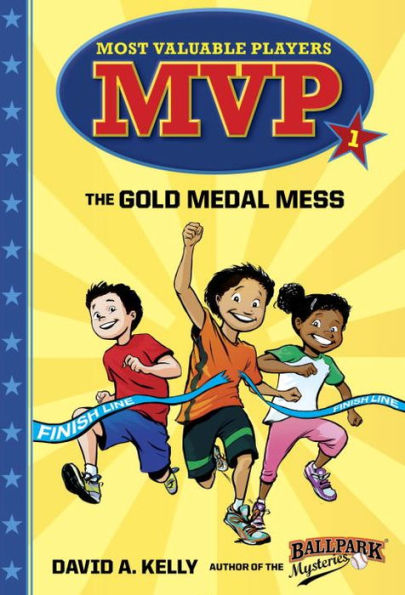
The Gold Medal Mess

Five friends are ready for their school’s Olympics field day. There will be relay races, archery contests, and more! But not everyone wants to play fair—in fact, someone is trying to ruin the events! Can the kids in the Most Valuable Player club solve the mystery, save the Olympics, and take home the gold?

The Gold Medal Mess introduces five diverse friends—Max, Alice, Luke, Kat, and Nico. The kids work well together in order to find the culprit. None of the kids are well developed, but there is room for each character to grow in later books in the series. However, Luke is portrayed as silly and lazy. For example, when his friends ask Luke if he wants to practice archery, Luke says, “The only way I’m going to win is if they give out medals for not doing homework!”

The story’s plot is easy to understand, and readers will enjoy following the clues to see if they can solve the mystery before the culprit is revealed. Large black and white illustrations break up the text, helping readers understand the plot. The story’s dialogue and quick pace are engaging. However, struggling readers may struggle with some of the vocabulary.

The Gold Medal Mess has a good blend of mystery and competition, which makes the book appealing to a wide range of readers. The simple plot will entertain beginning readers but may be too simple for more advanced readers. Ellie Steps Up to the Plate by Callie Barkley and the Little Rhino Series by Ryan Howard & Krystle Howard will also appeal to sports fans.

Sexual Content

  • None

Violence

  • While running a race, the contestants fall down. “And like the first kid, their feet flew out from under them and they rolled onto the ground too! Before long, the runners from all six teams had slid out on the grass.” The kids slipped because someone put oil on the grass.
  • During the tug-of-war competition, “the tug-of-war rope broke in half” and the “teams tumbled backward!” Someone intentionally cut the rope.

 Drugs and Alcohol

  • None

Language

  • None

Supernatural

  • None

Spiritual Content

  • None

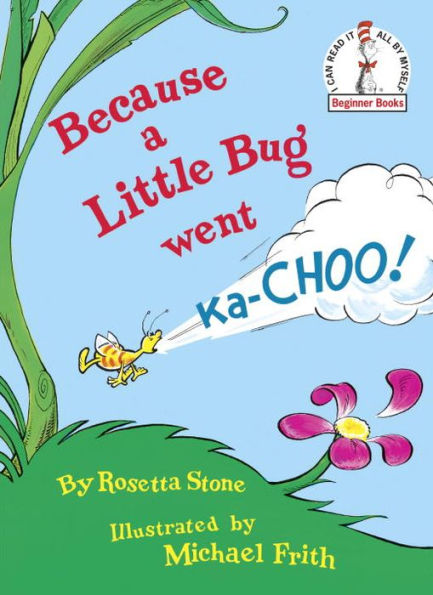
Because a Little Bug Went Ka-CHOO!

Just one “KA-CHOO” causes a whole chain of hilarity, from a splashing turtle to a wet hen, to a flying policeman, a sinking boat, and just about everyone crashing a circus parade! “Because that seed dropped, a worm got mad. Because he got mad, he kicked a tree. Because of that kick. . .” Turn the pages and find out what could possibly happen next!

Because a Little Bug Went Ka-CHOO! is a simple story that shows a chain reaction of cause and effect. The silly characters range from an angry worm to Farmer Brown and even a flying policeman. The simple story is perfect for beginning readers because every sentence uses the same format and only a few new words are introduced on each page. As part of the I Can Read It Myself Beginning Book Series, young readers should be able to read the book on their own.

The full-page illustrations are bright, hilarious, and have fun details. Each page adds more characters—soon cows, chickens, Farmer Brown, police officers, and even a fish follow the action to see what will happen next. Readers will have fun finding all of the familiar characters on each page. From a fish riding a motorcycle to a blue elephant in the sky, the characters will keep young readers engaged.

Because each page has 1 to 2 simple sentences that have rhythm, Because a Little Bug Went Ka-CHOO! makes a great story to read aloud. The combination of simple sentences and funny illustrations will have young children reading Because a Little Bug Went Ka-CHOO! again and again. The book allows beginning readers to gain confidence in reading. As readers follow the chaos that one little sneeze causes, they will learn that reading can be fun.

Sexual Content

  • None

Violence

  • None

 Drugs and Alcohol

  • None

Language

  • None

Supernatural

  • None

Spiritual Content

  • None


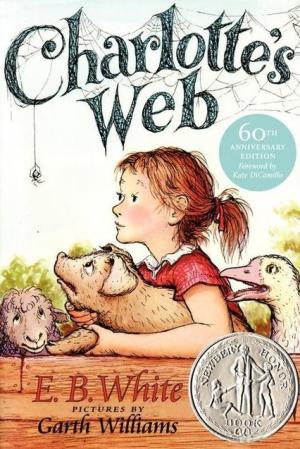
Charlotte’s Web

Fern saves a piglet, the runt of his litter, from being killed by her father, Mr. Arable. She names the piglet Wilbur and cares for him until he has grown too big to stay at the Arables’ house. Her father is unwilling to provide for Wilbur, so he convinces Fern to sell Wilbur to her uncle, Mr. Zuckerman. Wilbur can stay at Mr. Zimmerman’s farm for the rest of his days. And although Wilbur has more room to move and plenty to eat, he becomes lonely—he wants a friend.

After hearing Wilbur’s request, Charlotte, a gray spider, befriends him. Fern frequently visits Wilbur and observes the activities around the barn, occasionally accompanied by her little brother, Avery. One day, a sheep warns Wilbur of an inevitable future: one of those days, the farmers will slaughter him for “smoked bacon and ham.” However, Charlotte plans to dissuade the humans from killing her new friend.

An external narrator tells the story of Charlotte’s Web so the reader can understand the thoughts of every character. Since the story centers on Wilbur’s growth from his friendship with Charlotte, who encourages him to be “some pig,” “humble,” and “radiant,” Wilbur is the only character who changes throughout the story. The narrator follows Wilbur’s actions often since Fern spends more time with the humans than the animals. Fern expresses her fondness for Wilbur, nonetheless. Younger readers will not get lost in the plot because Fern tells her family about the farm animals’ activities. In addition, pictures of the farm and characters are in most chapters so readers can visualize the setting.

Even though the story is a beloved classic, the frequent praise of Charlotte’s webs and Wilbur’s magnificence is heavy-handed at times. Plus, the book’s vocabulary will make it difficult reading for some readers. Younger readers may not understand the 1950s culture, but they will understand the relationship between Fern and the humans, and the friendship between Wilbur and Charlotte. The dialogue has 1950s dialogue, and some phrases and terms may be offensive to modern audiences. For example, when Mr. Zuckerman says to the minister that Fern is a “queer child,” he meant that Fern is a strange child.

Elementary school readers will enjoy the book as it ultimately tells the story of friends from unlikely places. If you are looking for a more modern story about love, life, and friendship similar to Charlotte’s Web, there are great ones to choose from, such as A Boy Called Bat by Elana K. Arnold and The One and Only Ivan by Katherine Applegate.

Sexual Content

  • None

Violence

  • Mr. Arable was on his way to kill Wilbur, but Fern stops him by saying, “The pig couldn’t help being born small, could it? . . . This is the most terrible case of injustice I ever heard of.” The scene lasts for two pages.
  • Throughout the book, Charlotte captures and eats “anything that is careless enough to get caught in [her] web.”
  • One of the old sheep in the farm tells Wilbur that the humans have been fattening him up so they can kill him and eat him. “Almost all young pigs get murdered by the farmer as soon as the real cold weather sets in. There’s a regular conspiracy around here to kill you at Christmastime. Everybody is in on the plot.” Wilbur’s panic at the revelation continues for two pages.
  • One of Charlotte’s cousins battled against a fish. “There was my cousin, slipping in, dodging out, beaten mercilessly over the head by the wildly thrashing fish, dancing in, dancing out, throwing her threads and fighting hard.” Her cousin wrapped the fish in her threads, defeating it. Then, “[Her] cousin kept the fish for a while, and then, when she got good and ready, she ate it.” The fight lasts for two pages.
  • Charlotte dies after seeing off Wilbur and Templeton, a rat, who are returning to Mr. Zuckerman’s farm. “She never moved again. . . Nobody, of the hundreds of people that had visited the County Fair, knew that a grey spider had played the most important part of all. No one was with her when she died.”

Drugs and Alcohol

  • Charlotte gives her prey “an anesthetic” so they won’t feel pain when she eats them.
  • Lurvy, the hired man on Mr. Zuckerman’s farm, gives Wilbur “two spoonfuls of sulfur and a little molasses” when Mr. Zuckerman notices Wilbur’s misery.

Language

  • Templeton is mad when Wilbur wakes him from his nap, and says, “What kind of monkeyshine is this?”
  • Wilbur calls Templeton a “crazy rat” when the rat makes noise at night.
  • Zuckerman calls Edith, his wife, “crazy” because she wants to wash Wilbur with buttermilk.

Supernatural

  • An announcer refers to Wilbur’s excellence as “dealing with supernatural forces.”

Spiritual Content

  • When Mr. Arable lets Fern keep and care for Wilbur, he prayed for the “good Lord” to “forgive him for this foolishness.”
  • Lurvy “dropped to his knees and uttered a small prayer” upon seeing the words “some pig” on one of Charlotte’s webs.
  • Many humans refer to Wilbur and the webs as a “miracle.”
  • Mr. Zuckerman meets with the minister about Wilbur and the webs. The minister says, “I can explain it in my sermon next Sunday.” On that Sunday, the minister says, “the words on the spider’s web proved that human beings must always be on the watch for the coming of wonders.”
  • Wilbur refers to the doorway where Charlotte wove her webs as “hallowed” when he spoke to three of Charlotte’s daughters, Joy, Aranea, and Nellie.
  • Templeton exclaims, “Bless my soul” out of frustration when Wilbur persuades him to take Charlotte’s egg sac before they leave the County Fair.


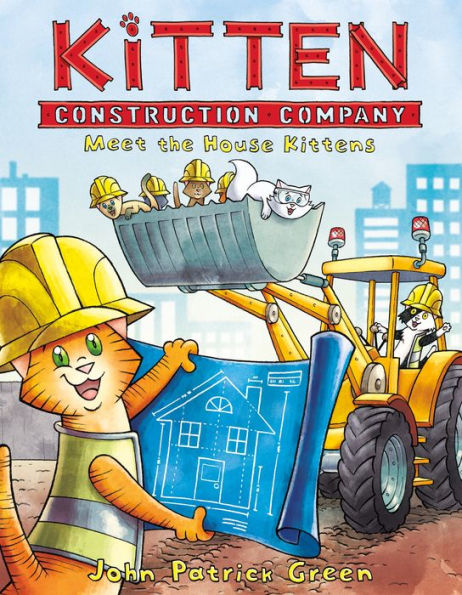
Meet the House Kittens

All Marmalade wants to do is build things. She is, after all, a trained architect. She’s also a distractingly adorable kitten.

Fed up with not being taken seriously because she’s so cute, Marmalade bands together with a handful of other aspiring builders—all of them kittens. But in a world where humans call the shots, can the Kitten Construction Company prove their worth . . . without giving up the very things that make them kittens?

Meet the House Kittens has instant appeal because of the adorable cats on the cover. Many readers will be able to relate to Marmalade, who just wants to be taken seriously. Everyone assumes that an adorable cat’s only job is to be cute so humans will stare at him. Readers will laugh as Marmalade meets other kittens who are also underappreciated. In the end, the kittens find an unlikely ally, who helps the Kitten Construction Company get the recognition they deserve.

The bright, comic-like illustrations are displayed in 1 to 3 large panels. While the illustrations mostly focus on the kittens, the adults have a variety of skin tones. Each page has 0 to 6 sentences that appear in quote boxes. Even though the story is a graphic novel, younger readers may need help with some of the more difficult words, such as irresistibly, version, and construction. In addition, readers may not understand all of the construction terms. For example, Professor von Wigglebottom says, “I am licensed and bonded to work masonry and lumber!”

Readers will enjoy seeing two sides of kittens—the fun, playful side and the more serious, professional side. The adults who are awed by the kittens’ cuteness also add some humor. Even though Meet the House Kittens is packed full of humor and kitten cuteness, the story shows the danger of making assumptions based on names or appearances. Green builds a graphic novel that is the perfect blend of humor and teaching. Parents may want to use Meet the House Kittens to start a discussion on how we judge others and why that is wrong. If you’re looking for another humorous graphic novel, check out the Pets on the Loose Series by Victoria Jamieson.

Sexual Content

  • None

Violence

  • A man chases Bubbles with a broom.

 Drugs and Alcohol

Marmalade goes to a café to “drown my sorrows.” He orders, “One saucer of milk! And keep ‘em coming!”

Language

  • None

Supernatural

  • None

Spiritual Content

  • None

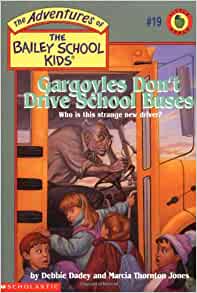
Gargoyles Don’t Drive School Buses

There are some pretty weird grown-ups living in Bailey City. But could the new bus driver, who looks just like a statue on top of the old library, really be a living gargoyle? Howie, Melody, Eddie, and Liza are determined to find out. As they investigate, the four friends cause havoc in the library and sneak up to the roof. Soon, they learn that the city plans to tear down the gothic-style library and replace it with a new glass and steel building.

Before the city begins demolition, some really strange things begin to happen. A mysterious person replaces an expensive stained glass window and fixes the leaky roof. No one knows who made the repairs in the middle of the night, but the kids think the gargoyles are coming to life at night to make the repairs. Will the kids be able to convince the city to save the building and the gargoyles?

Gargoyles Don’t Drive School Buses will entertain mystery-loving readers. Even though the new school bus driver is a little strange, he isn’t frightening. The fast-paced story never fully reveals whether or not the school bus driver is in fact a gargoyle. Instead, it leaves enough doubt that readers can make the decision on their own. As the kids investigate the library gargoyles, they decide to save the building by gathering signatures and holding a protest. The kids’ peaceful protest is responsible for saving the old library and the gargoyles’ home.

Howie, Melody, Eddie, and Liza are relatable characters who work together to solve the mystery. However, Eddie often makes mean comments. For example, he tells Howie, “There are legends around Bailey Elementary that you’re crazy,” and “your brain is one brick short of a full load.” While Eddie’s comments are typical of some kids, his “joking” is often mean-spirited. Another negative aspect of the story is that Eddie intentionally makes a mess in the library in order to distract the librarian. When the librarian begins cleaning up the mess, the kids sneak onto the library’s roof to investigate the gargoyles.

Gargoyles Don’t Drive School Buses is perfect for emerging readers who are ready for chapter books because it has easy vocabulary, short chapters, and illustrations. The large, black-and-white illustrations focus on the characters and appear every 2 to 3 pages. The illustrations will help readers understand the plot and also show the comparison between the bus driver and the gargoyles.

While parents might not like all of the kids’ behavior, Gargoyles Don’t Drive School Buses will entertain readers and make them excited about reading. With over 80 books in the series, readers will have lots of books to choose from. Readers who love more monster mysteries may also want to check out The Hide-and-seek Ghost by Dori Hillestad Butler and Ghost Attack by David Lubar.

Sexual Content

  • None

Violence

  • None

 Drugs and Alcohol

  • None

Language

  • At one point, Eddie says, “I think this plan is nothing but pigeon poo. . .”

Supernatural

  • The kids talk about “legends that say gargoyles can come to life at night.”
  • Howie says, “Gargoyles are trapped in stone forever. . . unless they are forced to break the spell of stone to fight off great danger.”

Spiritual Content

  • None

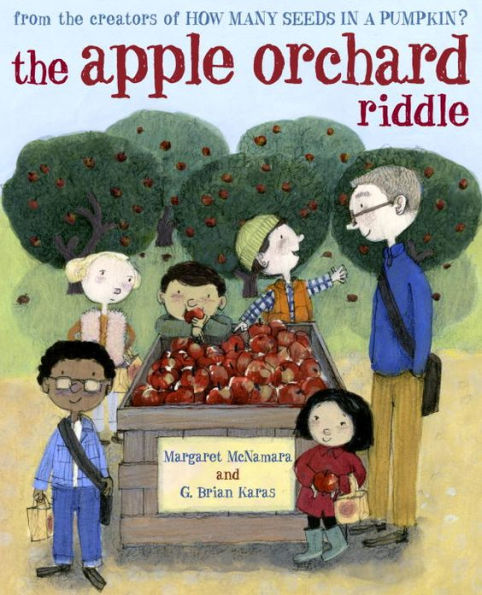
The Apple Orchard Riddle

Mr. Tiffin’s class is going on another field trip. The class is excited to go to an apple orchard and learn all about apples. The kids will see how apples are harvested, how apples are turned into cider, and how apples are turned into pies and cakes. Mr. Tiffin even shows the class all the different varieties of apples. During the field trip, the class is challenged to find the answer to a riddle: “Show me a little red house with no windows and no door, but with a star inside.”

Each book in Mr. Tiffin’s Classroom Series focuses on a different student. This story focuses on Tara, who likes to daydream and isn’t “good at tests.” Even though Tara is the focus of the story, she doesn’t have a conflict. Without a conflict, the story is flat and lacks suspense. In addition, one of the students is a little snarky.

Each page has large illustrations that show a diverse group of children. Each page has 1 to 6 sentences and almost every page shows an illustration of a different aspect of an apple farm. Even though The Apple Orchard Riddle is a picture book, the story is intended to be read aloud to a child, rather than for the child to read it for the first time independently. The end of the story contains a list of apple orchard facts.

As students work to discover the answer to the riddle, they look at a tractor, a barn, and an apple peeler. However, the answer to the riddle is obvious from the start. Throughout the field trip, Tara spends a lot of time thinking instead of participating in the other activities. In the end, she discovers the riddle’s answer. Unfortunately, Tara’s situation doesn’t correspond with apples and the story doesn’t have a life lesson.

The Apple Orchard Riddle isn’t as interesting as other books in Mr. Tiffin’s Classroom Series. However, readers will enjoy seeing the different parts of an apple farm. In addition, Tara’s tendency to spend time thinking and daydreaming is showed in a positive light. Mr. Tiffin’s Classroom Series allows readers to explore and learn about different places from the comfort of their homes.

Sexual Content

  • None

Violence

  • None

 Drugs and Alcohol

  • None

Language

  • None

Supernatural

  • None

Spiritual Content

  • None

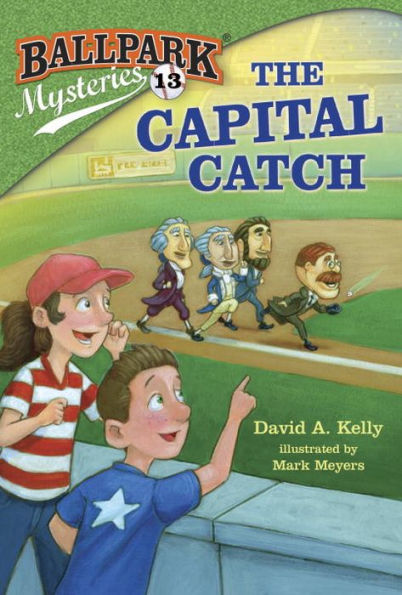
The Capital Catch

Mike and Kate are about to face their biggest, most important mystery yet! Why? It involves the president of the United States! The president’s brother is a catcher on the Nationals baseball team, and someone is stealing his equipment! Can these super-sleuths help the commander-in-chief catch a criminal?

Mike and Kate are excited to explore Washington D.C.’s historical landmarks. While on a White House tour, Mike meets the president! This leads to Mike and Kate trying to discover who is stealing from the president’s brother, who is a baseball player. While Mike and Kate investigate, the kids don’t sneak around or go to restricted areas. Instead, they use their powers of observation and their interview skills to solve the mystery. Readers will enjoy following the clues along with Mike and Kate.

Capital Catch is an easy-to-read story that uses short sentences and dialogue to keep readers interested. Black and white illustrations appear every 3 to 5 pages. Most of the illustrations are a full page. They help readers visualize the characters and understand the plot. The book ends with Dugout Notes, which give even more baseball facts. Even though Capital Catch is the 13th book in the series, the books do not build on each other so they can be read out of order.

Sports-loving readers will enjoy Capital Catch’s mystery and baseball action. Parents will appreciate how Mike and Kate are polite to others and do not put themselves in dangerous situations. Unfortunately, the thief was predictable and the culprit doesn’t reveal why he stole Chip’s baseball equipment. Despite this, baseball lovers will enjoy the combination of mystery and baseball action. The Little Rhino Series by Ryan Howard & Krystle Howard will hit the mark for young readers who want more baseball action.

Sexual Content

  • None

Violence

  • None

 Drugs and Alcohol

  • None

Language

  • Drat is used once as an exclamation.

Supernatural

  • None

Spiritual Content

  • None

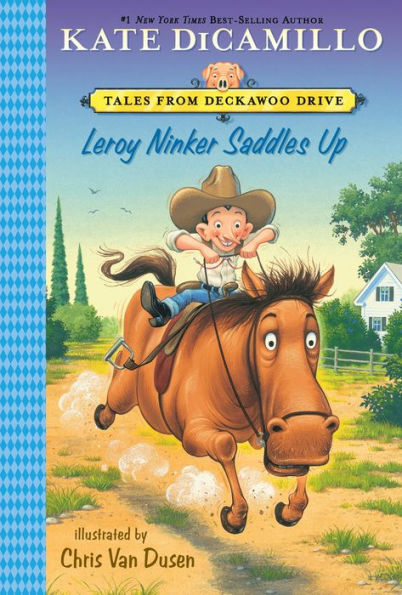
Leroy Ninker Saddles Up

Yippie-i-oh! Saddle up for the first in a spin-off series starring favorite characters from Kate DiCamillo’s Mercy Watson Series. Leroy Ninker dreams of being a cowboy. He has a hat, a lasso, and boots. What he doesn’t have is a horse—until he meets Maybelline, that is, and then it’s love at first sight.

Leroy has big dreams, but he’s not sure how to make them come true. His coworker tells him, “What you have to do here is take fate in your hands and wrestle it to the ground.” This advice motivates Leroy to find a horse. Even though the horse, Maybelline, isn’t a perfect horse, Leroy loves her. Maybelline’s owner tells him that he needs to remember three things. One: Maybelline likes compliments. Two: She eats a lot of grub. Three: “Don’t leave Maybelline alone for long, or you will live to rue and regret the day.”

Leroy leaves Maybelline alone for just a minute, but that was enough time for the horse to get scared and wander off. Maybelline runs and runs. Leroy goes to search for his horse, but he can’t find her. Will Leroy be able to find his horse?

Leroy’s adventure has plenty of humor that will leave readers with a smile. Leroy gives the horse a lot of compliments such as, “You are the brightest star in the velvety nighttime sky!” Readers will laugh when Leroy uses pretty words, and when Leroy unsuccessfully tries to push Maybelline through the apartment’s door. Leroy’s dream comes true in a unique way, and the love between him and his horse is endearing.

Large black and white illustrations appear every 1 to 3 pages and will help readers understand the story’s plot. The illustrations highlight the difference between Leroy’s dreams and reality. Leroy’s dreams appear in bubbles and show a beautiful, perfect horse. However, Maybelline is an imperfect horse, but Leroy loves her. Many of the illustrations are full-page and have humorous elements to them. Even though Leroy Ninker Saddles Up is intended for younger readers, they may need help with difficult vocabulary such as cogitate, informational, emboldened, and savoring.

The sweet conclusion gives the sense of community as Leroy, Maybelline, and several others are invited in to share breakfast with Mercy Watson. Readers familiar with the Mercy Watson Series will enjoy the two books’ similarities. However, readers do not need to read the Mercy Watson Series to understand the events in Leroy Ninker Saddles Up. Both the text and the illustrations in Leroy Ninker Saddles Up use humor that will inspire readers to dream big.

Sexual Content

  • None

Violence

  • None

 Drugs and Alcohol

  • None

Language

  • When someone throws a can at Leroy, he says, “Dang nib it.”
  • Occasionally, Leroy exclaims phrases such as, “Gol’ dang it, dag blibber it” and “flibber gibber it.”
  • Heck is used once.

Supernatural

  • None

Spiritual Content

  • None

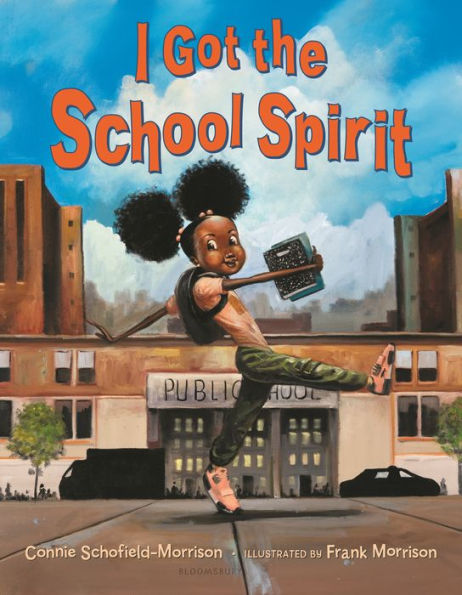
I Got the School Spirit

Summer is over, and this little girl has got the school spirit! She hears the school spirit in the bus driving up the street—VROOM, VROOM!—and in the bell sounding in the halls—RING-A-DING! She sings the school spirit in class with her friends—ABC, 123!

The school spirit helps us all strive and grow. What will you learn today?

In this picture book, an African American girl celebrates going to school. The vibrant oil-painted illustrations focus on one girl. When she gets to school, her classmates are a diverse group of children. Several pictures show students who are worried about going to school, which causes tears. However, in the end, all of the students are happy to be in school. From storytime to the bus ride home, the school day isn’t complete until the girl gets a big hug from her mother.

Each two-page spread has one illustration that takes up both pages. Each page has one short sentence that ends with a few words that are in big, bold text. Many of these words are onomatopoeias such as “crunch, munch, sip.” Whether your child is getting ready for their first day of preschool or their first day of kindergarten, I Got the School Spirit will help younger readers feel more confident about going to school.

Sexual Content

  • None

Violence

  • None

 Drugs and Alcohol

  • None

Language

  • None

Supernatural

  • None

Spiritual Content

  • None

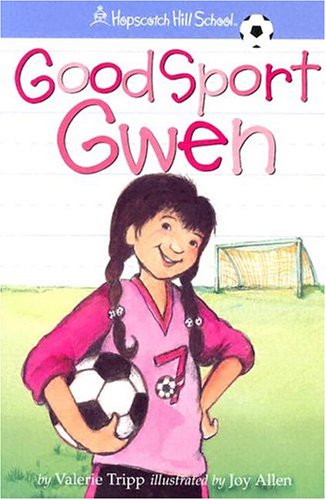
Good Sport Gwen

Three cheers for Gwen, sports star! She’s the fastest runner, the highest kicker, and the top-scoring champion of the soccer team. But when her spelling bee team slides into a losing streak, Gwen learns that good sports are the most winning players of all.

While playing soccer, Gwen works with her teammates so they can win the game. After the game, the girls praise each other and work together. But during the spelling bee, not all of Gwen’s teammates are paying attention, which makes Gwen angry, so she says, “Our blue team stinks!” Her teammates are shocked at Gwen’s outburst. But then Gwen comes up with a creative solution—her spelling team can practice spelling while playing soccer.

 When she gets angry, Miss Sparks talks to Gwen about her bad behavior, which makes Gwen think about her behavior. While Gwen and the blue team never win a spelling bee, Gwen learned that “good sports win every time, no matter what the score is.” The story highlights the importance of encouraging each other in every situation. Even though the story revolves around the spelling bees, there is enough action to keep readers interested in the story.

Readers who are beginning to read independently will appreciate the easy vocabulary. Most paragraphs are one simple sentence. Large, colorful illustrations appear on almost every page, which helps the readers understand the plot and the characters’ emotions. Good Sport Gwen uses a relatable conflict to teach the importance of being a good sport, even when you lose. The book includes “Dear Parent” activities at the end that were created by teachers and child specialists to help you nurture your child’s skills, boost their self-confidence, and encourage a lifelong love for learning.

Sexual Content

  • None

Violence

  • None

 Drugs and Alcohol

  • None

Language

  • None

Supernatural

  • None

Spiritual Content

  • None


Mel Fell

Mel, a kingfisher bird, is ready to learn how to fly. Her mother is away from the nest and her siblings, Pim and Pip, both worry that the drop is too long. Mel is a little afraid too. However, Mel reminds herself, “I’ve got wings.” Then she takes the plunge off her perch.

Mel’s fall from her tree introduces readers to a flurry of bright and whimsical characters—from a group of acrobatic squirrels and a chivalrous hive of bees to a helpful spider and heroic snail. Each character tries to save Mel from her fall, but they soon realize that they can do nothing to stop Mel’s descent and Mel is left to her own devices. She reaches the water at the halfway point of the book with a big SPLASH. At first, it appears that Mel has fallen . . . until the readers are asked to turn the book sideways and see Mel fly. Mel bursts from the water— fish in mouth— to race the other animals to the top of the tree and into her mother’s arms.

Mel Fell highlights this beautifully uplifting message through hand-painted watercolor illustrations with earthy tones. Settings of deep water, high forest canopies, and open skies fill the background of every page, immersing the reader in the kingfisher’s specific habitat. Each page has 1 to 4 short sentences written in simple vocabulary, making Mel Fell a wonderful book for an emerging reader. The repetition of certain phrases like, “Mel fell and fell” adds a rhythm that makes the story fun to read out loud. In addition, animated asides from the different animals are given in small, bright pink and blue text bubbles. These comments—exclamations like “Blast,” “Aieee,” or “Do…not…fear…helpless…little….bird….”— bring unique personalities to every animal presented in the book. These exclamatory asides hold a lot of excitement and would be great for any group of readers wishing to trade-off reading certain sections. The overall result is a book that fills the page with movement, both textual and illustrated.

Tactile interactions incorporated in the book, such as the ask to physically rotate the book halfway through, allows readers to engage in the book in a whole new way. This also works to directly show readers that falling (or failing) is all a matter of perspective. Additionally, an author’s note at the end of the story gives a small introduction to the nature of the kingfisher, allowing for an opportunity to teach children about wildlife. All readers, both young and old, will enjoy the young kingfishers in Mel Fell. The small but courageous young Mel will remind everyone that it’s normal to be scared when you try new things. Mel’s confidence also teaches young readers that believing in yourself can open a whole new world of possibilities.

Sexual Content

  • None

Violence

  • None

Drugs and Alcohol

  • None

Language

  • None

Supernatural

  • None

Spiritual Content

  • None

by Hannah Olsson

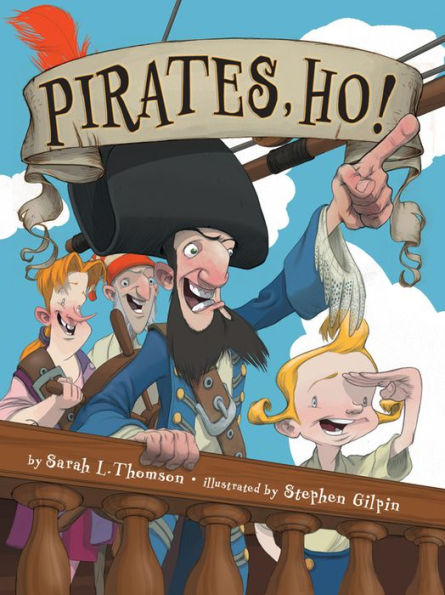
Pirates, HO!

Swashbuckling pirates sail the seas, braving storms, battles—and other pirates! From the first mate down to the cabin boy, they are rascals through and through.

But at night, by the light of the moon, they tell each other ghost stories. . . and guess who ends up being scared?

Pirates, HO! is a fun story that shows stereotypical pirates who want to find gold. “There’s Peg-Leg Tom and Angus Black, Dreadful Nell, and One-Eyed Jack. A thieving, lying, rascally crew, the worst you’ve heard of us is true. . .” In addition, one of the pirates has a tattoo of a ship on his chest. Even though the pirates themselves are not unique, the end of the book contains a humorous surprise. Although the pirates are brave, ghost stories make them afraid. Young readers will relate to the pirates who are afraid of the dark and they will giggle when the pirates hide in their beds.

The picture book’s illustrations use bold colors and cartoonish pirates that have lots of fun details such as a scared pelican listening to the pirate’s ghost story. Some of the illustrations use humor. For example, when the pirates are chasing another boat, two people ski behind the ship. Each page has 1 to 3 sentences. The text uses rhyming and pirate words that will capture readers’ attention and make Pirates, HO! an excellent book to read aloud.

Parents looking for a fun book that young readers will want to read repeatedly should add Pirates, HO! to their reading collection! Even though the story is full of scowling pirates, kids will fall in love with the motley crew. But be ready for readers to begin talking like a pirate. The pirates say, “We shout, ‘Avast!’ We cry, ‘Ahoy!'” If you’re looking for more pirate action, you may also want to read All Paws on Deck by Jessica Young.

Sexual Content

  • None

Violence

  • The pirates tie a man up with rope. The man is walking the plank. “Our swords are steel and our hearts are stone as we send our foes to Davy Jones. We are pirates, pirates, ho!”

 Drugs and Alcohol

  • None

Language

  • None

Supernatural

  • The pirates tell ghost stories. “Now hear of a captain who sold his soul for the glitter of jewels and the gleam of gold.”

Spiritual Content

  • None


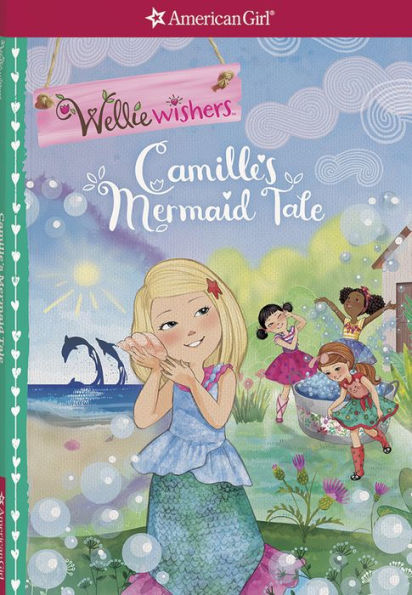
Camille’s Mermaid Tale

Camille loves the ocean—the warm sand, the pretty shells, and the sparkling waves that tickle her toes. Sometimes she even imagines that she’s a mermaid with whales and dolphins for friends. When the other WellieWishers see how much Camille misses her summers by the sea, they want to help. . . but how can four girls turn a garden into an ocean?

Camille’s friends plan the perfect surprise for Camille. Even though the readers know what Camille’s friends are hiding, they will still understand Camille’s feelings. “Camille was pretty sure the other WellieWishers were hiding something from her, which made her feel left out and lonely and sad.” Even though Camille is upset, she doesn’t get angry at her friends; instead, she spends her time writing mermaid stories.

Young readers will enjoy the story’s rhyming words and ocean-themed puns, such as when Aunt Miranda says, “Don’t worry, I’ll keep your secret. It’ll be easy: I’ll just clam up.” Another fun story element is when the girls sing songs. For example, Camille sings a song to the tune of “Yankee Doodle.” She sings, “Acrobats and rainy picnics, Boats with lots of doodles, Starry skies, and fireflies: We really used our noodles!”

The WellieWishers are introduced through pictures that appear on the first page. The diverse group of girls wears adorably bright clothes and wellie boots. All of the girls’ different personalities blend to make a wonderful friend group. Almost every page has a brightly colored illustration that helps the readers understand the plot. The girls’ facial expressions will also help the readers understand the girls’ emotions.

Young readers will want to grab Camille’s Mermaid Tale because of the adorably cute pictures and the high-interest topic; however, they will also be entertained by the story and learn important lessons about friendship. The book ends with a section “For Parents” that gives ideas of crafts that correspond with the book. Camille’s Mermaid Tale will encourage readers to use their imagination as it reinforces the idea that “you are never too big to imagine you’re a mermaid.” The Purrmaids Series by Sudipta Bardhan-Quallen will also delight readers who love mermaids.

Sexual Content

  • None

Violence

  • None

 Drugs and Alcohol

  • None

Language

  • None

Supernatural

  • None

Spiritual Content

  • None

Rocket Says Clean Up!

When Rocket goes on vacation to see her grandparents, they spend the day at the beach. Rocket discovers that plastic is taking over the ocean. When Rocket finds a baby turtle wrapped up in plastic, she’s determined to do something. Rocket wants everyone to take action! Rocket’s passion to make the beach a safer place for wildlife inspires the people around her. Together, can they entice the sea creatures to return?

Rocket’s desire to clean up the beach is inspiring and highlights the need for a community to come together to pick up the trash. The illustrations show an explosion of plastic all over the sand, in the water, and wrapped around a tiny turtle. Even though some of the illustrations are humorous, the story still focuses on how trash can be dangerous to sea life. The story even shows how trash can be repurposed to make art. The conclusion has a happy ending which shows the sea turtle being released back into the ocean.

Rocket is a relatable character who isn’t afraid to speak up about the dangers of trash. With the help of her grandparents, Rocket brings a community together and makes the beach trash-free. In Rocket Says Look Up, the story and lesson were completely integrated. However, in Rocket Says Clean Up, the message takes center stage at the expense of a well-developed plot. Despite this, readers will enjoy the story, which ends with a list of ways that readers can reduce waste.

Rocket Says Clean Up is an engaging picture book with bright illustrations that are full of fun details. For example, Rocket buries her brother in the sand and then builds a sandcastle on top of him. The people at the beach are a diverse group that includes people from different races as well as different body types. The large cast of people in the illustrations helps reinforce the concept that it takes a community to clean up a beach.

Even though Rocket Says Clean Up is a picture book, the story is intended to be read aloud to a child, rather than for a child to read it for the first time independently. Most pages contain 1-4 sentences, but some of the sentences are complex. Rocket gives a few interesting facts about where trash comes from, and how it hurts animals. These interesting facts appear in quote boxes and begin with, “Did you know. . .”

Rocket, who is African American, looks up to Imani Wilmot, who created the first female surf competition in Jamaica. Rocket’s experiences will encourage readers to learn more about protecting the ocean. The bright, fun illustrations will capture readers’ attention, and Rocket’s enthusiasm will keep readers interested until the last page. Readers who would like to learn more about the ocean should add Shark Lady by Jess Keating and Shawn Loves Sharks by Curtis Manley to their reading list.

Sexual Content

  • None

Violence

  • None

 Drugs and Alcohol

  • None

Language

  • None

Supernatural

  • None

Spiritual Content

  • None

The Great Shark Escape

Mrs. Frizzle is teaching her students about ocean life, and her students must complete a report about an ocean creature. Arnold isn’t too happy about the assignment because ocean creatures can be dangerous. When Mrs. Frizzle announces a field trip to an aquarium, Arnold is relieved that the class will not be doing anything daring. But when the class arrives at the aquarium, they discover it had to close because of a flood.

Despite this, Mrs. Frizzle is determined to teach the students about the ocean, so the magic school bus takes the class into the ocean. They end up face-to-face with all kinds of sharks, from great whites to goblin sharks. Then, when things get scary and the class is really swimming in trouble, you’d never guess who helps the class make the great shark escape!

The Great Shark Escape is an exciting story with plenty of suspense. Arnold tells the story and his dislike of danger adds some humor. Black and white illustrations appear every 1 to 3 pages. The illustrations show Mrs. Frizzle’s students, who are a diverse group, under the sea, which will help readers understand the plot. In addition, a sketch of each shark allows the readers to see the differences between each shark.

Shark-loving kids will enjoy a trip into the open ocean to learn all about sharks. Throughout the story, Mrs. Fizzle’s students’ reports appear on notebook paper. Each section is about one paragraph long and contains information about specific sharks as well as general shark information. Readers will learn about a huge variety of ocean life including the whale shark, the great white shark, the angel shark, the goblin shark, and the hammerhead shark. Even though all of the shark information is interesting, some readers may have a hard time jumping from the story to the shark facts and back.

The high-interest topic and the fun format of The Great Shark Escape will appeal to readers. While Arnold’s narration shows his fear of sharks, in the end, Arnold’s bravery allows him to save the class. The Great Shark Escape uses an entertaining story to teach about sharks. Because each book in The Magic School Bus focuses on different topics, readers will never get bored with the series. Shark-loving readers can learn more about sharks by reading Shark Lady by Jess Keating.

Sexual Content

  • None

Violence

  • The magic school bus narrowly avoids getting eaten by a shark.

 Drugs and Alcohol

  • None

Language

  • None

Supernatural

  • The magic school bus transforms into a helicopter and then a submarine. “Not only was the sub going down deep, it was shrinking and so were we! Now the sub was only two feet long.”

Spiritual Content

  • None

X Marks the Spot

Wally and the puppy pirates are hunting for buried treasure! Legend has it that a famous old sea captain, Growlin’ Grace, hid pirate booty on Boneyard Island, and Wally and his friends have a map to find it! Land ho! Can the pups follow the trail and sniff out the treasure?

Wally, Henry, and the pups take center stage in X Marks the Spot. As they follow the treasure map, they have to use their skills to avoid booby traps. Several times, they save Captain Reb Beard and the other puppy pirates. Readers will enjoy the funny interaction between the pups and the fast-paced action as the puppies explore Boneyard Island.

Most of the pirates believe that the treasure will be gold and jewels. However, when they find Growlin’ Grace’s treasure, they find her map collection which is special because “they reminded her of her greatest adventures with her crew.” When the pirate puppies take the treasure, the island dogs are upset others won’t visit their island. So Captain Reb Beard and his crew leave treasure, which consists of things that were special to each individual puppy. Through the puppy’s experiences, the reader will learn that treasure doesn’t have to be gold and gems. Instead, “the best treasure any pirate can hope for is the promise of more adventure.”

Readers will love following the clues to find buried treasure and seeing Wally and his friends use some creative solutions. The story doesn’t use as much pirate language as the first book in the series, however, the book is still entertaining.

Even though X Marks the Spot is part of a series, the book can be read as a stand-alone. The black and white illustrations are adorably cute and will also help readers understand the story’s plot. With short chapters, large text, and illustrations every 1 to 5 pages, X Marks the Spot is a great book for readers ready for chapter books. Readers who want more dog-related pirate fun should read All Paws on Deck by Jessica Young.

Sexual Content

  • None

Violence

  • While trying to find treasure, Captain Reb Beard and his crew get trapped. One puppy says, “When he saw a big, meaty pile of bones, he pounced. But the bones were bait for a booby trap! We all got scooped up into the net.”

 Drugs and Alcohol

  • None

Language

  • When Captain Reb Beard finds puppies spying on him, he calls them “scurvy dogs.”

Supernatural

  • None

Spiritual Content

  • None

The Pout-Pout Fish in the Big-Big Dark

Mrs. Clam loses her pearl and Mr. Fish promises he will find it. But when he goes looking for the pearl, he can’t find it in “the busy bottom land.” Then he hears a voice whisper, “It’s further out to sea!”

Mr. Fish is nervous about swimming deeper and his “heart flit-fluttered.” Even though he is scared of the dark, Mr. Fish keeps looking for the pearl. Mr. Fish has to go deeper and deeper into the sea. Miss Shimmer encourages Mr. Fish and “they swam down together. Holding fin to fin.” A lantern fish lights the way, and Mr. Fish finds the pearl.

The Pout-Pout Fish in the Big-Big Dark is a super cute story about friendship and fear of the dark. Young readers will relate to Mr. Fish, who wants to help his friend but is afraid of going into the dark part of the ocean. Throughout the story, Mr. Fish repeatedly says, “I’m fast as a sail ship, I’m strong as a shark, I’m smart as a dolphin, but I’m scared of the dark.” Readers will learn that there is no reason to be afraid of the dark, but that having a friend near will help you overcome your fear. In the end, Mr. Fish learns, “The ocean is wide, and the ocean is deep, but friends help friends—that’s a promise we keep.”

While Mr. Fish is looking for the pearl, he hears a voice whispering. In the end, Mr. Fish finds out that the voice belonged to Miss Shimmer. Even though Miss Shimmer’s words were encouraging, parents may want to talk to their child about the dangers of following a voice.

The rhyming couplets and repeating words make The Pout-Pout Fish in the Big-Big Dark a fun book to read aloud. Each page has 2 to 4 sentences printed in large text and set against a solid background which makes it easy to read. The illustrations perfectly capture the events of the story and show Mr. Fish’s worried expression. Each full-color illustration shows the diverse creatures that are abundant in the ocean. All the illustrations are beautifully colored in shades of blue with pops of color, and many of the illustrations are humorous.

The Pout-Pout Fish in the Big-Big Dark takes a relevant topic and combines it with wonderful sea-creatures that will capture readers’ attention. Young readers will fall in love with Mr. Fish and his friends. The Pout-Pout Fish series will capture readers’ hearts. This is definitely a book series that readers will want to read again and again, both because of the relatable topics and the pictures.

Sexual Content

  • None

Violence

  • None

 Drugs and Alcohol

  • None

Language

  • None

Supernatural

  • None

Spiritual Content

  • None

A Girl Named Misty: The True Story of Misty Copeland

Growing up, Misty Copeland was a shy girl who loved to dance. Ballet opened up a whole new world where Misty was able to shine. Because she is African American, Misty faced barriers to becoming a dancer. Through a lot of hard work, determination, and incredible talent, Misty became a star at one of the top ballet companies in the world and helped change the face of dance.

The story chronicles Misty’s life from when she was in elementary school. Unlike most dancers, Misty didn’t start ballet until she was thirteen. In the beginning, Misty felt awkward and insecure, but she continued to work hard and improve.

Misty eventually moved to New York City and became a member of the American Ballet Theatre (ABT). During her time with the theatre, Misty was the first African American dancer to be cast in a part for a major ballet company. However, she was devastated when she was injured and had to take a break from dance. Despite this, she overcame the obstacle and became the first African American woman to be the principal dancer at ABT.

Misty’s life is described through text and large, full-color illustrations. Each two-page spread has a full-page illustration and one page of oversized text. Dancing terminology appears in bold letters and a glossary is included at the back of the book. The end of the book also has a timeline of Misty’s life, with four pictures of Misty performing. There is also a short article about another amazing girl, Alexa Narvaez, who sings and posts her videos on the internet. Even though the book’s format will appeal to younger readers, they may struggle with the difficult vocabulary. However, short chapters make A Girl Named Misty a good choice to read aloud.

A Girl Named Misty shows how hard work and dedication made Misty a successful dancer. Her motivational story will encourage girls to reach for their dreams. Even though the biography teaches about Misty’s life, the text doesn’t contain any direct quotes from Misty.

Even though Misty’s life revolved around dance, anyone who has ever faced an obstacle will relate to her. Misty’s story will teach readers that many obstacles can be overcome with hard work. In the end, “Misty, the shy little girl with the big talent, had become the star she was always meant to be.” Strong elementary readers looking for dance books will also want to read Out of Step by Jake Maddox.

Sexual Content

  • None

Violence

  • None

 Drugs and Alcohol

  • None

Language

  • None

Supernatural

  • None

Spiritual Content

  • None


Latest Reviews