
The Christmas Tree Who Loved Trains

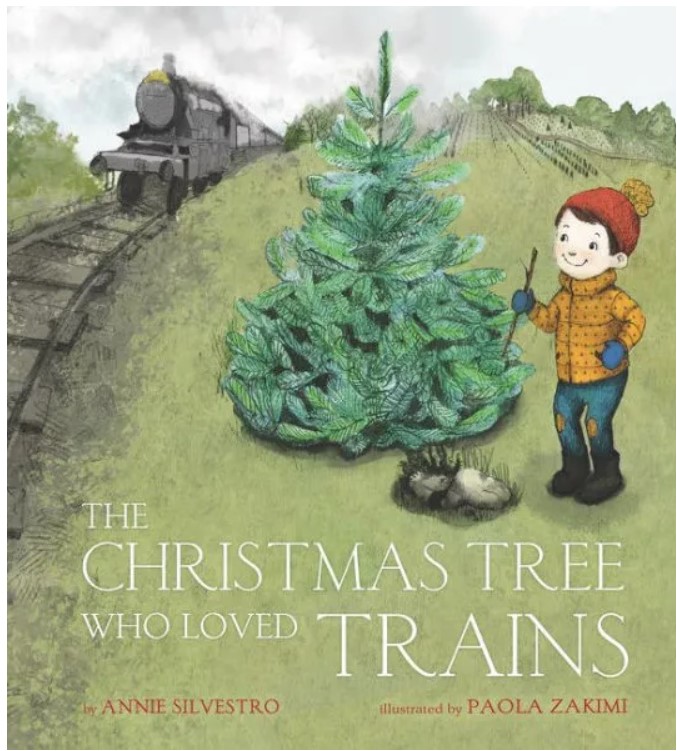
In a far-off corner of a tree farm, beside a train track, sits a solitary pine. There are no other trees to keep this pine tree company. The noisy rumbling of each passing train scares squirrels from climbing onto the tree’s branches and birds from nesting there. But this tree doesn’t mind.  

Having grown up beside the train track, the pine tree loves the trains. They are the only company she needs. One morning, a little boy visits the farm looking for a Christmas tree. To the pine’s surprise, the boy picks her. Before the pine tree knows it, she is dug out from the ground and taken to the boy’s house, where she is placed in a dark and cramped corner of the living room. Will being separated from the trains be too much for the tree? Or will she find something new with the boy and his family? 

The Christmas Tree Who Loved Trains is a charming and heartfelt story for readers who celebrate the holiday, as well as for anyone who has to adjust to a big change in their life. With one to eight short sentences per page, younger readers should have little trouble enjoying the book.  

Annie Silvestro’s writing manages the near-impossible task of getting readers to empathize with a faceless pine tree. Illustrator Paola Zakimi gives readers a closer understanding of the tree with drawings that visualize the tree’s feelings towards the events of the story. For example, each train emerges from a majestic, mysterious fog. The train and track are drawn with meticulous detail, while the field of trees behind the pine tree fades into a smaller, muted background. Meanwhile, the living room corner is drawn as dark and dull, with faded colors and shadowy backgrounds. As the tree warms up to the family and their house, the drawings of the room become increasingly brighter and colorful.  

In The Christmas Tree Who Loved Trains, readers of all ages will find a sweet and sincere story about adjusting to change and embracing your unique traits and interests. Readers who celebrate Christmas are sure to relate to the tree’s growing admiration for the holiday, and all readers are likely to find comfort in the tree’s story. If you are looking for a warm read this winter, The Christmas Tree Who Loved Trains may be the book for you. 

Sexual Content 

  • None 

Violence 

  • None 

Drugs and Alcohol 

  • None 

Language 

  • None 

Supernatural 

  • None 

Spiritual Content 

  • Although the book is a celebration of Christmas, it does not define the holiday as a strictly spiritual one. Instead, Christmas is portrayed as a day for being together with the ones you love. 
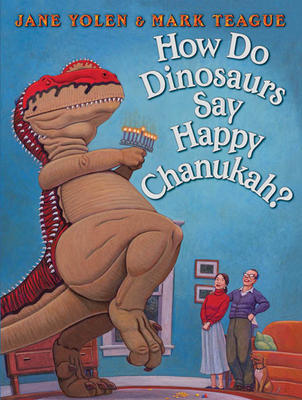
How Do Dinosaurs Say Happy Chanukah?

Even during the holidays, little dinosaurs sometimes misbehave. It’s tempting to peek at brightly wrapped presents, snatch a dreidel, or grab all the gelt!  

Children and their parents will laugh at this playful glimpse at some mischievous antics as the family gathers and fresh latkes are served. But when mama comes in with the holiday lights, it’s time to share a special tradition. How do dinosaurs celebrate Chanukah? With an abundance of love, joy, memories, and gratitude. 

Children will fall in love with each mischievous dinosaur that appears in brightly colored full-page illustrations. Each two-page spread has one sentence printed in large font. Plus, the short rhyming lines add to the playful nature of the picture book. 

The first half of the book focuses on the dinosaurs’ naughty behavior by asking a question: “Does he peek at the presents stashed under Dad’s bed?” The dinosaurs’ naughty behavior includes one dinosaur who is sneaking off with the gelt and “squeezing the candy coins till they all melt.” Readers will giggle at the family’s funny facial expressions, which show their dismay. 

The second part of the book uses the same brightly colored illustrations to show how the dinosaurs actually act during the holiday. Instead of misbehaving, a dinosaur sings “the holiday prayer, takes turns with the dreidel, remembers to share,” and other good behavior. Throughout the book, the menorah often shines in the window. While the story highlights the holiday traditions, readers unfamiliar with the holiday will not understand some of the terms such as dreidel, latkes, and gelt. 

How Do Dinosaurs Say Happy Chanukah? uses silly dinosaurs to show the importance of acting properly during the eight days of Chanukah. While the story doesn’t explain the meaning behind the traditions, readers familiar with the holiday will enjoy the unique perspective that shows the joy of the Chanukah season. Hoppy Hanukkah! by Linda Glaser is another fun picture book that introduces readers to Jewish customs.

Sexual Content 

  • None

Violence 

  • None

Drugs and Alcohol 

  • None

Language   

  • None

Supernatural

  • None

Spiritual Content 

  • The book highlights the traditions of Chanukah.

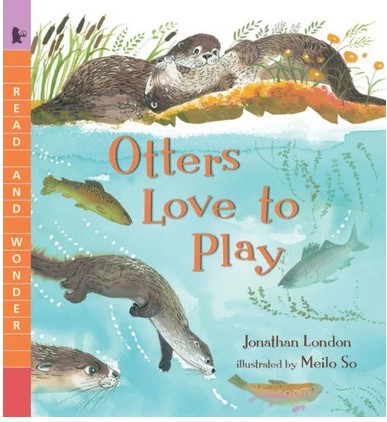
Otters Love to Play

On the edge of a river sits a neat pile of sticks, leaves, and grass. Last year, this was a beaver lodge, but now, in spring, it has become the home of a new family of otters! Inside this otter den, a mother otter feeds her three newborn pups (the pups’ father, readers will learn, is chased away by the mother after the pups are born). Readers will follow the mother otter as she shows the pups how to swim, hunt for fish, and perhaps the most important lesson for an otter pup – how to play!  

Written by the author of Froggy and nature-lover Jonathan London, Otters Love to Play is a quick and straightforward book that educates readers on the early lives of otters. While readers may already know that otters live in dens and hunt for fish, they may be surprised to learn that the species’ powerful tails and waterproof fur allow them to swim faster than Olympic swimmers! Each page features the otters learning something new – from walking to swimming. With each new thing the pups learn, the reader also learns a fact about the otters which are at the bottom of every other page. For example, while the story shows how fiercely protective otter mothers are of their pups, a note at the bottom of the page explains how adult otters can run up to eighteen miles an hour on snow, making them intimidating forces to predators.  

Otters Love to Play is brought to life by the illustrations of Meilo So. Throughout the book, readers witness the pups as they experience each season for the first time. So’s beautiful mix of colors gives life and variety to each season. Pages set in spring are painted with beautiful swabs of pink and purple skies, filling the reader with the same wonder felt by the pups, while pages set in winter are made with harsh whites and grays, sharing the idea of brutal climates and perilous conditions endangering the pups. All these illustrations are brightened by So’s adorable drawings of the otters, which are sure to delight readers of all ages. 

Even though Otters Love to Play is intended for younger readers, the story is intended to be read aloud to a child, rather than for the child to read it for the first time independently. As part of the Read and Wonder Series, Otters Love to Play introduces readers to natural history and fascinating facts that show how wonderful the natural world is. If you are looking for a book that educates young readers on a fascinating species while also providing plenty of fun and cute moments, Otters Love to Play is an excellent choice. Readers who love the ocean should jump in and read Way Down Deep in the Deep Blue Sea by Jan Peck. 

Sexual Content 

  • None 

Violence 

  • None 

Drugs and Alcohol 

  • None 

Language 

  • None 

Supernatural 

  • None 

Spiritual Content 

  • None 

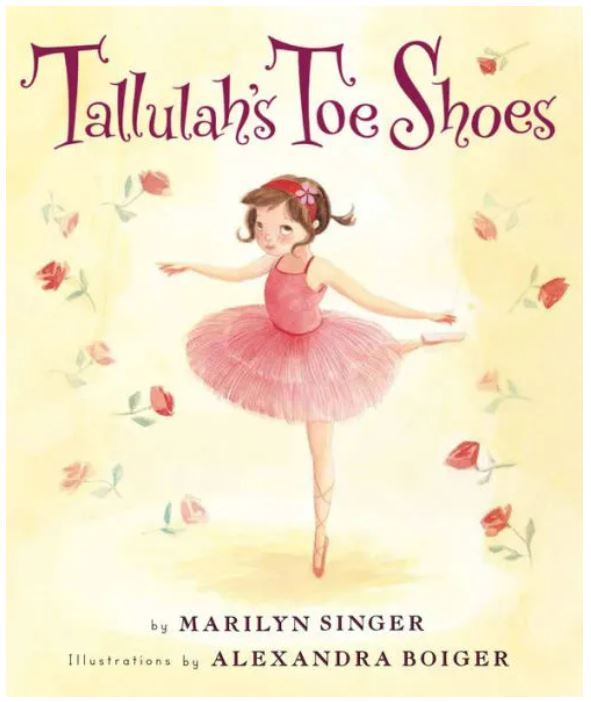
Tallulah’s Toe Shoes

Tallulah is back in ballet class and now she wants to go en pointe—to dance up on the tips of her toes in pink satin toe shoes, like a real ballerina. But going en pointe is not good for growing feet, and her ballet teacher says her feet aren’t ready yet. Oh, yes, they are,” Tallulah thinks. And so am I.” Not only is she ready, but she is also determined. And nothing stops Tallulah when her mind is made up!

When Tallulah sees the Lilac Fairy throw away her toe shoes, Tallulah sneaks them out of the trash. Once she’s home, she tries to stand on pointe, but she “didn’t look much like the Lilac Fairy. She looked more like a rat.” Tallulah asks her brother, Beckett, to help her by pretending to be a prince. With Beckett’s help, Tallulah is able to stand on pointe, but afterwards her toes are “hot and red.” Tallulah doesn’t think she will able to be able to dance on pointe, but with a little encouragement from the Lilac Fairy, Tallulah realizes that even though she can’t dance on pointe today, someday she will get her own toe shoes and will be able to dance on pointe.

Tallulah’s Toe Shoes highlights Tallulah’s desire to be able to dance on pointe like the older ballet students. Throughout the story, Tallulah uses her imagination, which comes to life as part of the illustrations. In this installment of the Tallulah Series, Beckett plays a larger role which adds cuteness to the story and shows that boys can also love ballet. Another positive aspect of the illustrations is that the other students in Tallulah’s ballet class have different skin tones and the class includes a boy. 

Tallulah’s Toe Shoes will appeal to readers who are interested in dance; in class, Tallulah learns different types of positions that are illustrated in the front and back of the book. In order to help readers distinguish the narration from Tallulah’s thoughts, her thoughts are written in large, bold letters. Since each page has two to seven sentences, parents will need to read the picture book to their kids.

The Tallulah picture book series is a wonderful series that will appeal to many young readers, especially those who dream of becoming a ballerina. Tallulah is a likable protagonist with a relatable conflict, and even though Tallulah doesn’t get her pointe shoes, she learns the importance of patience and hard work. Tallulah’s dance dilemma comes to life in beautiful illustrations that show Tallulah’s wide range of emotions. The illustrations show several scenes of dancers performing Sleeping Beauty, which adds a fairytale quality to the book. Tallulah’s Toe Shoes will delight young readers and have them imagining themselves as beautiful ballerinas. 

Sexual Content 

  • None

Violence 

  • None

Drugs and Alcohol 

  • None

Language   

  • None

Supernatural

  • None

Spiritual Content 

  • None

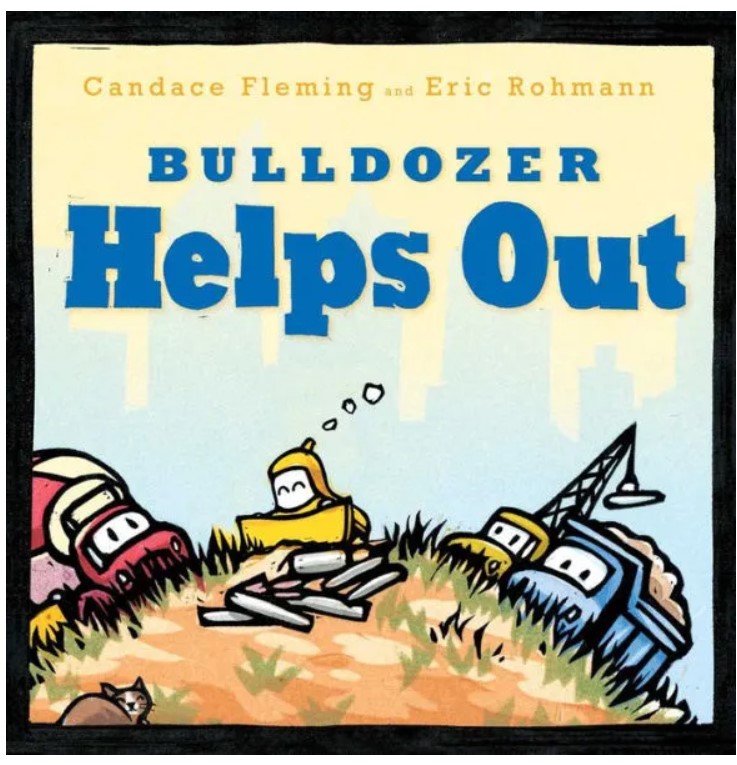
Bulldozer Helps Out

The construction site bustled.
Cement Truck was stirring . . . stirring . . . stirring.
Digger Truck was scooping . . . scooping . . . scooping.
Crane Truck was lifting . . . lifting . . . lifting. 

It’s a busy day at the construction site! Everyone is stirring, scooping, and lifting, and Bulldozer is . . . watching. Bulldozer wants to help, but can he handle a rough, tough job for a rough, tough truck? When Bulldozer gets his chance, the whole team is in for a big surprise.  

Readers will instantly connect with Bulldozer, who just wants to help. However, when Bulldozer offers to help, he gets a variety of answers: “You’ll get hurt,” or, “You’re too little.” Finally, the other trucks give Bulldozer a job. However, at the end of the day when the trucks go to check on Bulldozer, they discover that “he hadn’t done a single thing they’d asked!” The surprise ending will delight young readers and show that Bulldozer is up for a “rough, tough job!” 

Bulldozer Helps Out uses simple illustrations and bold colors that will captivate readers by making Bulldozer and the other trucks seem like friends. Each page has a full-page illustration and three to nine sentences. Despite this, readers will not become bored by the story because many of the sentences use fun elements such as alliteration, dialogue, and truck sounds.  

Bulldozer Helps Out shows readers that sometimes being rough and tough means being caring. The fun story will have wide appeal because Bulldozer is a relatable character with a conflict that young children will empathize with. For more truck-related books, rumble to the library and pick up a copy of Go, Go, Trucks! by Jennifer Liberts 

Sexual Content 

  • None 

Violence 

  • None 

Drugs and Alcohol 

  • None 

Language 

  • None 

Supernatural 

  • None 

Spiritual Content 

  • None 

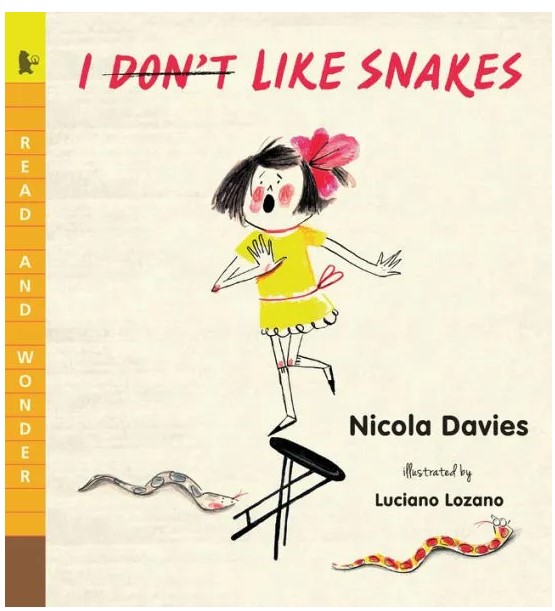
I (Don’t) Like Snakes

Some families have dogs, some have cats. Some have both. What’s less often heard of is a family with not just one, but several pet snakes! Unfortunately for one girl, this family is her family. While she states that she “really, really, REALLY doesn’t like snakes,” her family doesn’t see what’s not to love. They let their pet snakes rest on their shoulders. The snakes sit beside them on the couch while they watch TV. Their house is covered wall to wall in pictures of their many pet snakes. So, when they learn that a member of their own family can’t stand snakes, they can only ask, “Why?” 

For the girl, there are many reasons she doesn’t like snakes. They slither. They’re slimy. Their eyes are creepy, and their sharp, flickering tongues are just as off-putting! With each reason the girl gives, her family shows the reasons people fear snakes come from simple misconceptions. For example, their “slimy, icky skin” is actually dry. It only looks wet because its outer skin is see-through and naturally shiny. Each fact that the family gives is followed by a page that expands their point in greater detail. 

In these pages, the book’s charming, pencil-drawn illustrations are exchanged for more detailed, photorealistic drawings of snakes, complete with several individual facts about the nature of snakes and their many abilities. One diagram shows that the tail of a rattlesnake is actually leftover skin that creates a rattling sound that frightens predators. As any of the many people scared of snakes would tell you, this trick works! 

Written by zoologist and author Nicola Davies, I (Don’t) Like Snakes is a quick and simple book that is almost guaranteed to ease some of the many snake-related fears held by younger and older readers alike. Luciano Lozano draws the illustrations in a cute and colorful style. Plus, readers will relate to the funny protagonist who narrates. The book manages to be entertaining and educational. While most of I (Don’t) Like Snakes is occupied with informing the reader about the many traits of snakes, Lozano humors the detail-oriented reader with plenty of laughable background gags – a snake reading over the shoulder of the girl’s big brother might be the best one. 

Even though I (Don’t) Like Snakes is intended for younger readers, the story is intended to be read aloud to a child, rather than for the child to read it for the first time independently. The book features about 1-9 sentences per page. Some pages include fun facts about snakes written in a smaller font. As part of the Read and Wonder Series, I (Don’t) Like Snakes introduces readers to natural history and fascinating facts that show how wonderful the natural world is. If you are looking for a book that will make you laugh while teaching you and your young reader a few things too, I (Don’t) Like Snakes will make for an excellent read. For another educational and humorous book that teaches about animals, slither to the bookshelf and find What If You Had Animal Teeth!? by Sandra Markle.  

Sexual Content 

  • None 

Violence 

  • None 

Drugs and Alcohol 

  • None 

Language 

  • None 

Supernatural 

  • None 

Spiritual Content 

  • None 

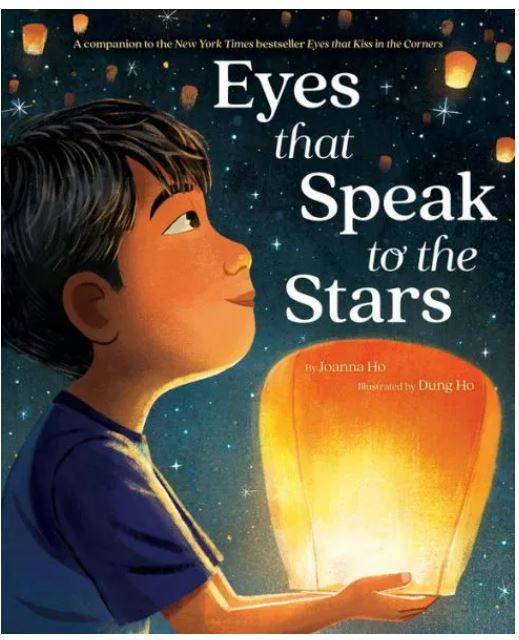
Eyes that Speak to the Stars

A young boy comes to recognize his own power and ability to change the future. When a friend at school creates a hurtful drawing, the boy turns to his family for comfort. He realizes that his eyes have the power to rise to the skies and speak to the stars, shine like sunlit rays, and glimpse trails of light from those who came before. In fact, his eyes are like his father’s, his agong’s, and his little brother’s they are visionary.

Inspired by the men in his family, the young boy recognizes his own power and strength from within. This extraordinary picture book redefines what it means to be truly you. The story celebrates the relationships between fathers and sons by showing the wonderful and loving relationship through three generations of men. Throughout the story, the boy comes to understand the beauty of his eyes—they are just like his family members’ eyes. 

The beautiful illustrations have elements that highlight how each member of the family looks similar. The pictures also have elements of the family’s culture in them such as dragon kites, the deity Mazu, and a café in Japan. However, when the boy begins to understand the power of his eyes, the illustrations feature fanciful celestial illustrations that reinforce the boy’s sense of power. As the boy stands on a planet, a starlight dragon behind him, the boy thinks, “I am the emperor of my own destiny. I read a bright future in the stars and will fight to make it reality.” 

While Eyes that Speak to the Stars celebrates an Asian boy, anyone who has been teased because of their physical appearance will feel empowered by the picture book. Even though Eyes that Speak to the Stars is a picture book, the figurative language may be difficult for young readers to understand. Therefore the story will need to be read aloud to a child, rather than for the child to read it themselves. If you’d like to introduce more stories that focus on self-love, check out I Am Enough by Grace Byers, Not Quite Snow White by Ashley Franklin, and Sulwe by Lupita Nyong’O.

Sexual Content 

  • None

Violence 

  • None

Drugs and Alcohol 

  • None

Language 

  • None

Supernatural

  • None

Spiritual Content 

  • The story mentions Mazu, the Goddess of the Sea, who is a deity popularly worshiped in various parts of Southeast Asia. Through Agong’s eyes, the boy sees “Mazu’s miracles showing mercy from on high.” 

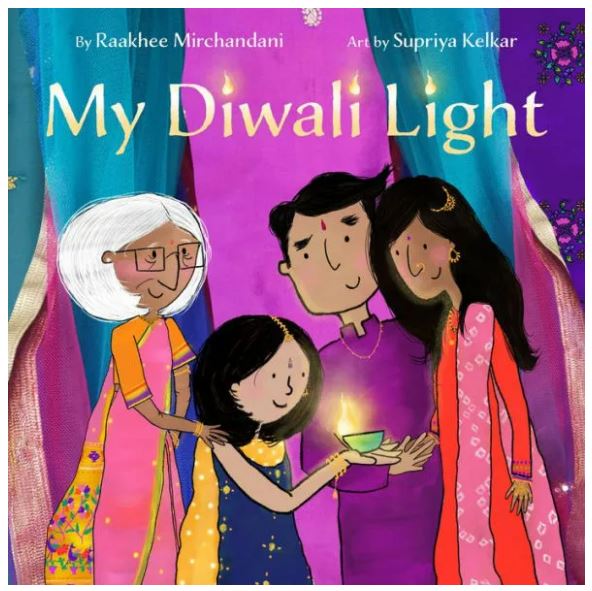
My Diwali Light

Devi loves the Diwali season. It’s a time to wear her favorite red dindi and eat samosas until she bursts! Make mithai and design rangoli with her papa. And paint diyas with her nani—a reminder to shine her light brightly all year long.

The story, with vibrant collage illustrations, follows one girl’s Diwali traditions as her family celebrates their favorite holiday with the ones they love. The illustrations are full of interesting details that feature Devi’s clothing, her family, and her neighborhood. The pictures’ brilliant, bright colors give the book a joyous, festive tone. Each page has one to five sentences. However, both the complex sentence structure and the frequent use of Hindi words will require the book to be read aloud to a child, rather than for the child to read it for the first time independently. Since the book doesn’t contain a glossary, My Diwali Light will not help children from other cultures to understand the customs associated with Diwali. 

Devi’s activities show a strong sense of family and the importance of learning from your elders. For example, “Nani says when we clean our home, we remember to keep our hearts clean, too.” During the holiday preparations, Devi’s family strings marigolds and twinkling lights and also paints diyas. While they are preparing for the holiday, Nani says “the flame is a reminder for all of us to shine our lights brightly, to be kind, helpful, and loving.” 

While readers unfamiliar with the holiday may have difficulty understanding some of the book’s language, the general concept of allowing your kindness to shine will be understood by all readers. My Diwali Light revolves around Devi’s family, who show kindness to each other as well as others. 

While all of Devi’s family celebrates the season, they all celebrate differently, which allows readers to understand that the holiday is about sharing the Diwali light and sparkle. 

Sexual Content 

  • None

Violence 

  • None

Drugs and Alcohol 

  • None

Language   

  • None

Supernatural

  • None

Spiritual Content 

  • As part of the holiday tradition, Devi’s Papa gets the thali ready and Devi “sprinkle[s] the rice and the water and help[s] shower the statures in the mandir with milk, yogurt, honey, ghee, and sugar. We offer flowers and mithai. I shake the coins. Mama sings the aarti, and I ring my bell loudly.”
  • Devi’s family prays “our own prayers, quietly whispering words of hope from deep in our hearts.” The family prays for health, happiness, peace, and that “we are always together on Diwali.” 

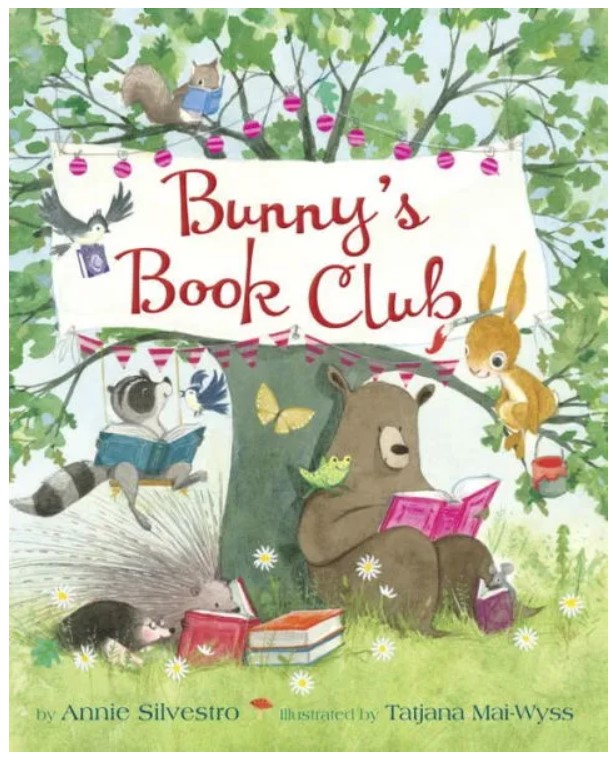
Bunny’s Book Club

Bunny loves to sit outside the library with the kids and listen to summer story time. But when the weather gets cold and everyone moves inside, his daily dose of joy is gone. Desperate, Bunny refuses to miss out on any more reading time and devises a plan to sneak into the library at night . . . through the library’s book drop! 

Soon, Bunny hatches a plan for a great adventure—one that brings the joy of reading to all his forest friends. 

Bunny’s Book Club will introduce children to the magic of reading as they learn about Bunny and his forest friends, who love reading books and who have a wide range of interests. Bunny loves sharks and swashbucklers, while porcupine is interested in caterpillars and cocoons. Mouse wants to read about ghosts, and Mole wants to learn about volcanoes. Young readers will fall in love with Bunny and his friend who find delight in curling up with a good book. Readers’ hearts will speed up when the librarian shows up and catches the inquisitive creatures. The book ends with a sweet conclusion that will leave readers smiling. 

Bunny’s Book Club is a delightful story with an engaging plot and adorably cute pictures that add to the book’s charm. The large, full-colored illustrations are whimsical and each animal shows their love of books in a unique way. Bunny sneaks a stack of “his treasures through the book slot.” Porcupine hugs a book about hedgehogs. Throughout the story, one thing is clear: Books are full of wonder and the library is full of adventure.  

Even though Bunny’s Book Club is a picture book, the story is intended to be read aloud to a child, rather than for the child to read it for the first time independently. Each page has two to eight sentences that include a lot of dialogue. The story is full of onomatopoeias, alliteration, and dialogue which makes Bunny’s Book Club perfect for reading aloud.  

 Bring the magic of reading into a child’s life by introducing them to Bunny and his woodland friends. Readers will be so captivated by both the story and the illustrations that they will want to read Bunny’s Book Club again and again. The story gives many examples of how a book can take readers on wonderful adventures, so be prepared for a trip to the library. Since Bunny often has cupcakes and tea while reading, Bunny’s Book Club is best served with a sweet treat. Young readers can go on another adventure with a bunny by reading Charlotte the Scientist Finds a Cure by Camille Andros and Too Many Carrots by Katy Hudson. 

Sexual Content 

  • None 

Violence 

  • None 

Drugs and Alcohol 

  • None 

Language 

  • None 

Supernatural 

  • None 

Spiritual Content 

  • None 

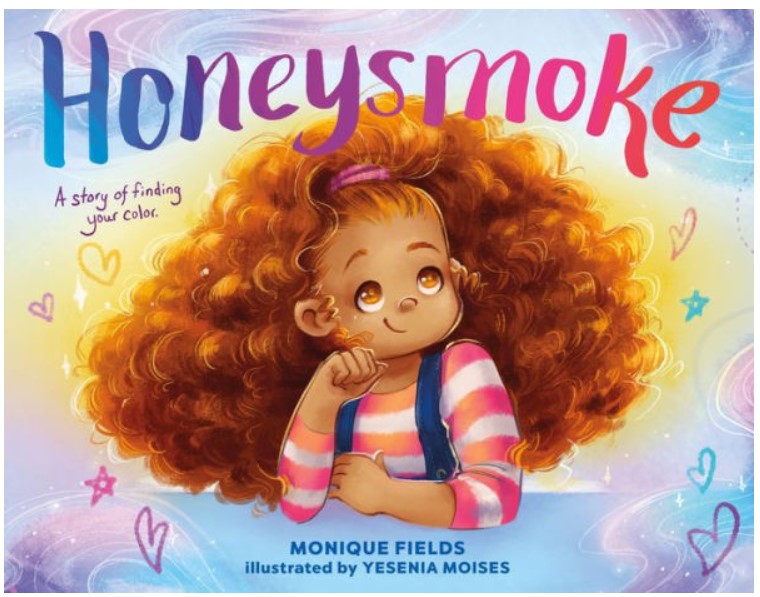
Honeysmoke: A Story of Finding Your Color

Simone, a young biracial girl looks around her world for her color. She asks her parents and her classmates, “What color am I?” All of them have a different answer. The girl compares herself to different colors—the black of a tire, the color of chocolate, and finally her coloring pencils. By studying her parents, she finally chooses her own color, and creates a new word for herself―honeysmoke. 

Honeysmoke shows one young girl’s struggle to understand herself. Because she doesn’t look like the other kids at school, she tries to find the right word to describe her skin color. “Simone wants a color, one that shows who she is on the inside and the outside.” In the end, Simone realizes that she is a mix of both her mother and her father and she comes up with a word — honeysmoke — that reflects both of them. The last page of the story reads, “Colors are words. Words are colors. Discover your color word.” The page shows different colors and describes them with creative names such as bronze leaf, copper storm, sugar coal, etc.  

While many readers may not relate to Simone’s conflict, they will recognize the need to understand who they are and how they fit into this world. Honeysmoke encourages readers to embrace each person’s differences including their own. The story would be the perfect conversation starter about heredity as well as loving yourself. 

The illustrations have beautiful and vibrant colors that jump off the page. The students at Simone’s school are diverse and show how each student is unique. In addition, Simone’s skin tone is contrasted with everyday objects that young readers will be familiar with such as glue, teddy bears, and colored pencils. Each page has one to six sentences that use simple vocabulary that makes the message shine. 

Honeysmoke is a beautiful story that highlights the importance of accepting yourself. In addition, the story shows the importance of words and encourages readers to creatively play with words. Adults who are looking for a picture book with a positive message will find Honeysmoke an excellent addition to their library. If you’re looking for another picture book that encourages readers to love their differences, add Angus All Aglow by Heather Smith, Danbi Leads the School Parade by Anna Kim, and I Am Enough by Grace Byers to your reading list. 

Sexual Content 

  • None 

Violence 

  • None 

Drugs and Alcohol 

  • None 

Language 

  • None 

Supernatural 

  • None 

Spiritual Content 

  • None 

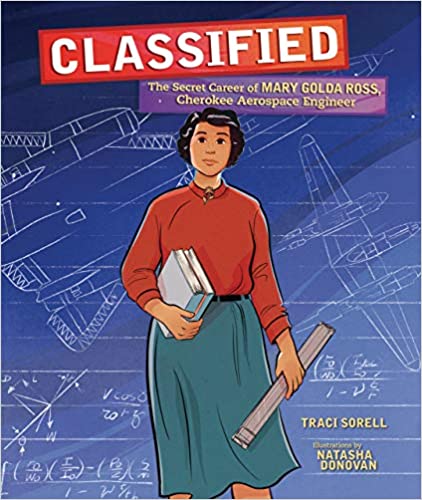
Classified: The Secret Career of Mary Golda Ross, Cherokee Aerospace Engineer

Mary Golda Ross designed classified airplanes and spacecrafts as Lockheed Aircraft Corporation’s first female engineer. Find out how her passion for math and the Cherokee values she was raised with shaped her life and work.

Cherokee author Traci Sorell and Métis illustrator Natasha Donovan trace Ross’s journey from being the only girl in a high school math class to becoming a teacher to pursuing an engineering degree, joining the top-secret Skunk Works division of Lockheed, and being a mentor for Native Americans and young women interested in engineering. 

Mary Golda Ross’s amazing life will encourage readers of all ages to pursue their passions by working hard. When Mary attended a state teacher’s college, the boys refused to work with her which motivated Mary to “get better grades than they did.” In her early career, Mary shared her love of math as a teacher. However, when World War II started, Mary went to work at the Lockheed Aircraft Corporation, where she helped design fast-flying planes. Later, she worked on spacecrafts that “helped the Apollo space program send astronauts to the moon!” Even though Mary never received public acclaim, that didn’t bother her. Throughout her life, Mary continued to work hard and encourage young women to study math and science.

As the first female engineer for Lockheed Aircraft Corporation, Mary “modeled the Cherokee value of working together in mind and heart.” Mary also wasn’t afraid to ask questions. Even though Mary was the only female, she proved herself a capable engineer. “Her male colleagues respected her intellect, her drive to solve problems, and how she worked in the team.” These qualities allowed Mary to make a positive impact in the world. 

Mary’s experiences come to life in realistic illustrations that use muted colors. One of the best aspects of the illustrations is their ability to incorporate math and science. For example, one picture shows a series of images of teenage Mary using a microscope, helping with a science experiment, and performing another task; around these pictures are math equations. Pictures of planes and drafting pages are incorporated into many of the illustrations.

Even though The Secret Career of Mary Golda Ross, Cherokee Aerospace Engineer is a picture book, the story is intended to be read aloud to a child, rather than for the child to read it for the first time independently. Each page has one to four complex sentences that will be difficult for beginning readers to tackle on their own. In addition, the book contains some advanced vocabulary such as colleagues, orbiting satellites, concepts, and classified. Even though some readers will not understand all the book’s concepts during the first read, The Secret Career of Mary Golda Ross is still an excellent book to share with young readers.

The Secret Career of Mary Golda Ross, Cherokee Aerospace Engineer is an American Indian Library Association Youth Literature Award Honor Picture Book; this award to given to stories that represent Indigenous North American peoples in the fullness of their humanity. This picture book is a must-read not only because it introduces a woman of importance, but also because “the narrative highlights Cherokee values including education, working cooperatively, remaining humble, and helping ensure equal opportunity and education for all.” To learn more about women who made notable contributions in engineering, read Counting on Katherine: How Katherine Johnson Saved Apollo 13 by Helaine Becker and Mae Among The Stars by Roda Ahmed.

Sexual Content 

  • None

Violence 

  • None

Drugs and Alcohol 

  • None

Language 

  • None

Supernatural

  • None

Spiritual Content 

  • None

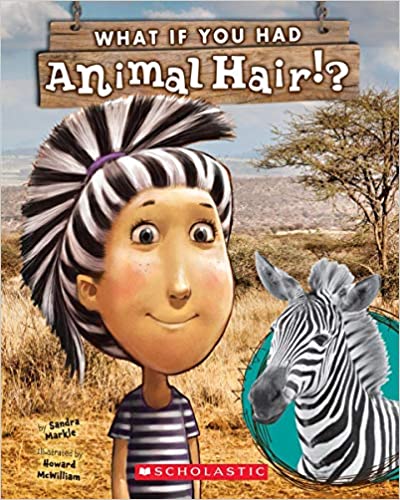
What If You Had Animal Hair!?

If you could have any animal’s hair, whose would you choose? If you chose a polar bear’s double coat, you would never have to wear a hat when playing in the snow. If you had a reindeer’s hair, it would help you stay afloat in water. And if you had a porcupine’s hair, no bully would ever bother you again! The animal kingdom has lots of awesome types of hair, but yours is pretty great, too!

If you love animals and want to learn more about their hair, then you must read What If You Had Animal Hair!? The simple, entertaining format uses a two-page spread that features a photographic image of the animal and its hair on the left and an illustration of a child with that animal’s hair on the right. The large pictures of children with animal hair are so humorous they will cause giggles.

While What If You Had Animal Hair!? is intended for younger readers, it will appeal to older readers because of the interesting facts and fun illustrations. Each two-page spread has seven to eight complex sentences that beginning readers will need an adult to read aloud to them. Despite this, the story is a quick read that is informative as well as entertaining. Readers will not only learn about familiar animals such as a lion and a zebra but also less familiar animals such as a pangolin and a star-nosed mole.

Introduce a child to non-fiction text by reading What If You Had Animal Hair!? The fun format, silly photos, and engaging text will entertain as it teaches children about animal hair. For more fun facts, fly over to the library and grab a copy of 13 Ways to Eat a Fly by Sue Heavenrich.

Sexual Content 

  • None

Violence 

  • None

Drugs and Alcohol 

  • None

Language 

  • None

Supernatural

  • None

Spiritual Content 

  • None

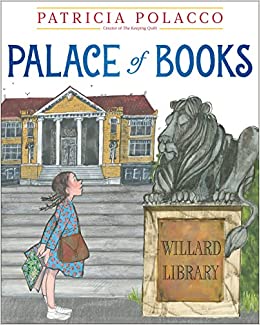
Palace of Books

From prolific author, Patricia Polacco, comes a retelling of her first experience with books. Polacco was not always a reader. Growing up, she preferred to spend time on her farm with her grandfather, admiring the birds and absorbing her grandfather’s knowledge of each bird’s species.

When her family moved to California, Polacco had to adjust to life beyond the farm. Fortunately for her, her new teacher, Miss Bice, regularly took her class on nature hikes. One these hikes, Polacco would admire the birds and try to share her knowledge with her classmates. However, her classmates did not share her passion, and they were not interested in the many owl pellets Polacco found on the forest floor. 

To make matters worse, Polacco’s new classroom rewarded reading, something that had always been challenging for her. Although she would eventually come to realize that she had dyslexia, Polacco spent much of her childhood unable to explain her struggle with reading. All she knew was that books were difficult to approach. This perspective changed when Polacco stumbled upon the giant library of her new town. Here, she was greeted by the excited librarian, Mrs. Creavy, who showed her that not all books require words. In fact, this library possessed rare art collections from John James Audubon, an artist renowned for his beautiful paintings of birds. These books introduced Polacco to the wonderful world of illustration and encouraged her own drawings of birds. Though she did not know it, this discovery was the first step in her success as a student and artist.

Palace of Books is a touching and heartfelt true story that will show young readers that everything has an outlet to express themselves, so long as they look for it. The story of art’s power is assisted by beautiful illustrations that fill entire pages. Detailed and lively, these illustrations show how far Polacco has come as an illustrator. It is worth noting that the book’s narration is particularly wordy, with some pages featuring up to 36 sentences of text. This can be a welcome and rewarding challenge to advanced readers, but younger readers may need help navigating the long narration. If you are looking for another story that teaches the importance of individuality and creativity, Palace of Books is the book for you.

Sexual Content 

  • None

Violence 

  • None

Drugs and Alcohol 

  • None

Language 

  • None

Supernatural

  • None

Spiritual Content 

  • None

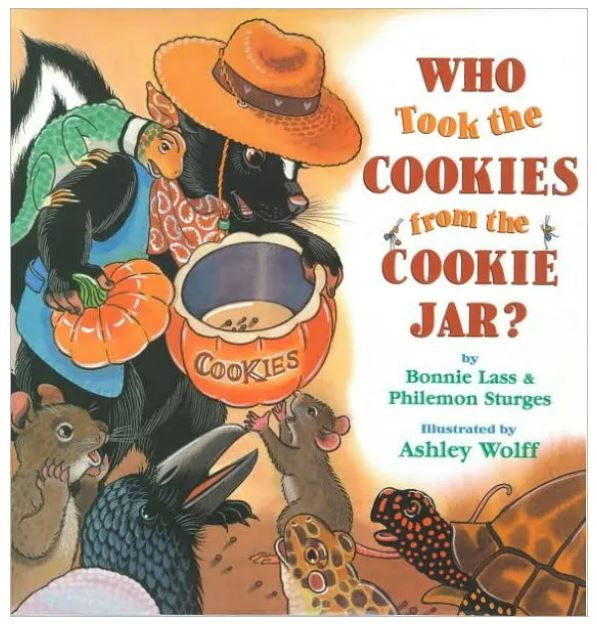
Who Took the Cookies from the Cookie Jar?

Skunk opens the cookie jar to find that all his cookies are missing. He follows the cookie crumb trail and asks each of his animal friends – Mouse, Raven, Squirrel, Rabbit, Turtle, Raccoon, Snake, Beaver, and Frog – who took the cookie from the cookie jar? Along the way, readers will discover what each animal’s favorite snack is. 

Who Took the Cookies from the Cookie Jar will delight young readers. As Skunk talks to each of his friends, they follow him and discover the surprising cookie thief. Using the colors of the desert, the picture book puts a spotlight on Skunk as he follows the clues — a cactus with teeth marks, paw prints, and cookie crumbs. 

Even though Who Took the Cookies from the Cookie Jar is a simple story, young readers will want to read it again and again. Following Skunk as he looks for the cookie thief is a lot of fun, even if you’ve read the book before. The story’s cadence, repetition, and animal dialogue make this picture book perfect for reading aloud. Who Took the Cookies from the Cookie Jar? is a cute story that reinforces the importance of sharing and can be paired with the picture book The Cookie Fiasco by Dan Santat.

Sexual Content 

  • None

Violence 

  • None

Drugs and Alcohol 

  • None

Language 

  • None

Supernatural

  • None

Spiritual Content 

  • None

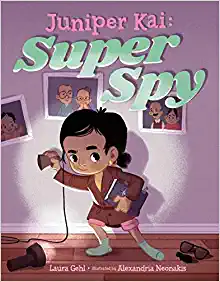
Juniper Kai: Super Spy

Juniper Kai was born to be a spy. She’s well-versed in all forms of codebreaking, lockpicking, and disguising. She is always equipped with a fake mustache, a spy camera, and a code-breaker wheel in case of emergency. With her vast list of skills, there’s nothing Juniper can’t solve. Except, of course, one thing. Juniper is the only kid in her neighborhood, which means she has no one to play I Spy or Spy-And-Go-Seek with. Usually, Juniper has her mom and dad for such things, but lately, both her parents have been too busy and too tired to play. 

Juniper understands that spies don’t play, least of all with their parents, but where some may see playtime, Juniper sees missions! And it seems she has just found her next one – uncovering what’s making her parents so busy. 

Fast-paced, brightly colored, and cleverly written, Juniper Kai: Super Spy is a delightful picture book for all young readers with an imagination as thrilling and vivid as Juniper’s. While her gadgets help her in certain areas, it is her creative interpretation of the events around her that make her story an exciting one. The book’s dynamic narrative is matched with colorful, detailed illustrations, and a second read will allow viewers to spot all the hints sprinkled throughout the pages that reveal the book’s big twist. The font is relatively small, but the more exciting words and phrases like “Spy-o-Scope,” “investigate,” and “James Bond,” etc. are bolded and colored for emphasis. 

By reading Juniper Kai: Super Spy, young readers will be encouraged to embrace their creative side just as Juniper does. The book will be particularly helpful to children with a younger sibling on the way, as Juniper’s investigation eventually leads her to discover that her parents are expecting a second child. Rather than reacting with jealousy or fear that her little brother will distract her parents, even more, Juniper delights in the news, seeing her incoming sibling (who she fittingly names “James” after her favorite spy) as a good co-agent, something no true spy can be without. And, after all, Juniper Kai was born to be a spy.  

Sexual Content 

  • None 

Violence 

  • None 

Drugs and Alcohol 

  • None 

Language 

  • None  

Supernatural 

  • None 

Spiritual Content 

  • None 

by Luke McClain

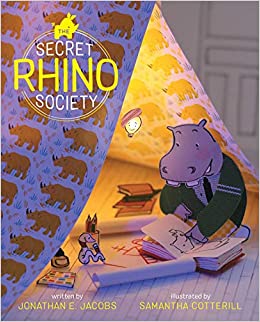
The Secret Rhino Society

Hudson is a hippopotamus. Fran is a worm. And Jean is a floating, living lightbulb. While these friends might not be the same in terms of size, species, or basic anatomy, they are united by a mutual love of rhinoceroses. After seeing a movie with a rhinoceros as the leading role, the three friends form a rhino fan club. During their meetings, they discuss what they each love about rhinos. They make paper horns and blissfully imagine what life could be like if they were rhinos. 

One day, the club receives a delivery from Ivy, a real-life rhinoceros! Ivy is not the rhinoceros from the movie. Instead of charging forward, she gets around in her delivery van. Instead of sharpening her horn in her free time, she likes to garden. While Ivy might not be the rhinoceros the three were expecting, her friendship will send the club in a completely new direction. 

With a charming sense of humor and cinematic, mixed-media art, The Secret Rhino Society is an all-around enjoyable read. Hudson, Fran, and Jean are likable leads, and their curiosity and passion are sure to endear younger readers to them. Through the introduction of Ivy, readers will learn the importance of individuality and the positive effect your unique talents can have on others.

The Secret Rhino Society is brought to life through incredible illustrations by Samantha Cotterill. Paper cutouts of characters and set pieces are placed in hand-drawn, studio-lit backgrounds, merging two-dimensional illustration with photography. This cinematic feeling is heightened by a great command of color. As the story progresses through each season, readers will be treated with autumn browns and yellows, spring greens, winter grays, and summers with multicolored flowers, each created with clear care by Cotterill. The book’s simple vocabulary and one-seven sentences per page make this an easy story for younger readers to navigate.

If you are looking for a sweet and heartfelt story that can be read and enjoyed in one sitting, The Secret Rhino Society is sure to satisfy your young reader. The book’s characters might encourage them to find their own special talents, and they may love the book so much that they start a Secret Rhino Society of their own! 

Sexual Content

  • None


Violence

  • None

Drugs and Alcohol

  • None

Language

  • None

Supernatural

  • None

Spiritual Content

  • None

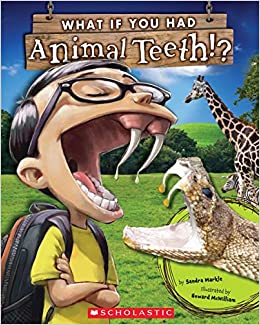
What If You Had Animal Teeth!?

If you could have any animal’s front teeth, whose would you choose?

What If You Had Animal Teeth?! takes children on a fun, informative, and imaginative journey as they explore what it would be like if their own front teeth were replaced by those of a different animal. Featuring a dozen animals, including a beaver, a great white shark, a narwhal, an elephant, a rattlesnake, and more, this book explores how different teeth are specially adapted for an animal’s survival. And at the end of the book, children will discover why their own teeth are just right for them. They’ll also get a friendly reminder to take good care of their teeth because they are the only teeth they’ll ever have.

If you love animals and want to learn more about their teeth, then you must read What If You Had Animal Teeth?! The simple, entertaining format uses a two-page spread that features a photographic image of the animal and its teeth on the left paired with an illustration of a child with that animal’s teeth on the right. The large pictures of children with animal teeth are so humorous they will cause giggles.

While What If You Had Animal Teeth?! is intended for younger readers, it will appeal to older readers because of the interesting facts and fun illustrations. Each two-page spread has seven to eight complex sentences that beginning readers will need an adult to read aloud to them. Despite this, the story is a quick read that is informative as well as entertaining. 

One of the best aspects of the book is the fun facts that appear for each animal. For example, readers will learn that hippo teeth were used for dentures and were even worn by President George Washington. What If You Had Animal Teeth?! is both entertaining and educational. While many children aren’t interested in learning about teeth, What If You Had Animal Teeth?! is such a fun book that kids will be eager to read it as well as other books in the series. 

Sexual Content 

  • None

Violence 

  • None

Drugs and Alcohol 

  • None

Language 

  • None

Supernatural

  • None

Spiritual Content 

  • None

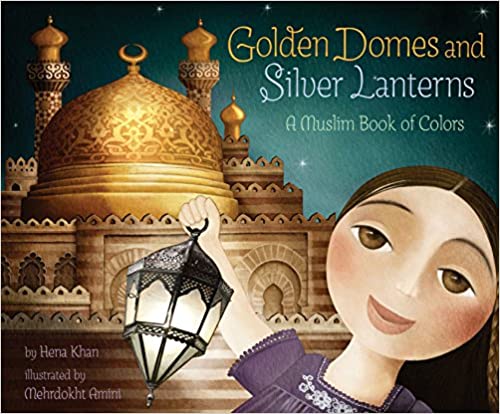
Golden Domes and Silver Lanterns: A Muslim Book of Colors

With breathtaking illustrations and informative text, Golden Domes and Silver Lanterns magnificently capture the world of Islam, celebrating its beauty and traditions for even the youngest readers. Sure to inspire questions and observations about world religions and cultures, this entrancing volume is equally at home in the classroom as it is being read to a child on a parent’s lap.

Golden Domes and Silver Lanterns uses vibrant colors that beautifully illustrate different aspects of the Muslim religion. Each two-page spread focuses on one color. For example, “Red is the rug Dad kneels on to pray, facing toward Mecca, five times a day.” Each sentence uses a large font to display both the color and the Muslim word that is being explained. Even though Golden Domes and Silver Lanterns is a picture book, the story is intended to be read aloud to a child, rather than for the child to read it for the first time independently. Adults who are unfamiliar with the Muslim faith but want to introduce young readers to the religion will find a one-page glossary at the back of the book. 

The picture book shows many different people; however, it focuses on an unnamed girl and her family. The illustrations portray the girl’s family in a positive light and the beautifully colored images enhance the beauty of the religion. Several illustrations display the Quran as well as the architecture of a mosque. Adults who want to teach children about Muslim traditions will find the simple story format and the detailed illustrations delightful. Yo Soy Muslim: A Father’s Letter to His Daughter by Mark Gonzales also highlights the beautiful traditions of a Muslim family and would make an excellent addition to your reading library.

Sexual Content 

  • None

Violence 

  • None

Drugs and Alcohol 

  • None

Language 

  • None

Supernatural

  • None

Spiritual Content 

  • Each page shows one way the girl’s family celebrates being Muslim such as wearing a hijab or a kufi as well as showing other important events such as Eid and Ramadan.

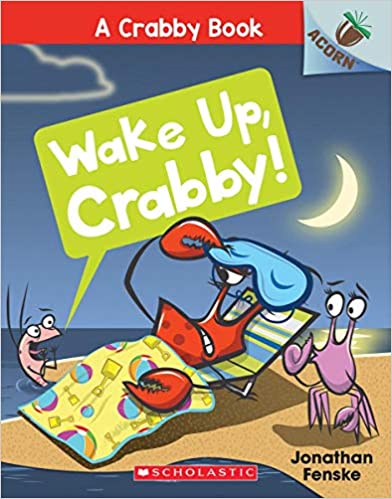
Wake Up, Crabby!

It’s bedtime for Plankton and Crabby! Crabby just wants to go to sleep, but Plankton has other ideas. Plankton wants Crabby to take a bath. Plankton wants Crabby to tell a bedtime story. Will Crabby ever get to sleep? With comic speech bubbles and full-color artwork throughout, this Geisel Award Honoree early reader series is sure to be a hit with new readers.

Young readers who are learning to read will love Wake Up, Crabby. Each short story is 10 to 11 pages which makes it perfect for readers who tend to get squirmy quickly. Plus, Wake Up, Crabby will appeal to readers because of the uncluttered pages that have brightly colored panels featuring Crabby and his friend, Plankton. The cranky crab is contrasted with Plankton’s enthusiasm, which leads to some surprising and funny situations.

While some of Wake Up, Crabby’s pages tell the story only through pictures, other pages have up to six simple sentences. The text uses simple sentences and easy vocabulary, and the speech bubbles are color-coded to distinguish each speaker. Each page contains five or fewer sentences, which makes the story accessible to new readers. 

Wake Up, Crabby is full of humor and each story’s ending has a silly surprise. With easy-to-read text, a comic-story format, and full-color artwork on every page, the book will boost reading confidence and fluency. Readers will laugh their way through the book and will be eager for another Crabby story. Beginning readers will fall in love with Plankton and Crabby and will want to read more about the two friends’ adventures. 

Sexual Content 

  • None

Violence 

  • None

Drugs and Alcohol 

  • None

Language 

  • None

Supernatural

  • None

Spiritual Content 

  • None

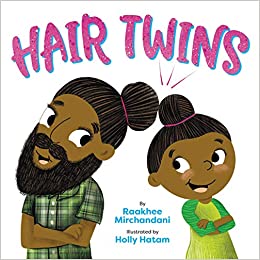
Hair Twins

Every morning Papa combs through his daughter’s waves like he does his own—parting it down the middle, using coconut oil to get all the tangles out.

Some days he braids her hair in two twists down the side of her face. Other days he weaves it into one long braid hanging down her back, just like a unicorn tail. But her favorite style is when he combs her hair in a tight bun on the top of her head, just like the joora he wears every day under his turban. They call this their hair twin look!

Hair Twins celebrates a Sikh father and daughter who have a special hair routine that celebrates the Sikh tradition of not cutting your hair. Papa’s love is clearly displayed when he takes the time to care for his daughter’s hair and style it in all sorts of fun ways such as when he makes “twists down the side of my face. They remind me of the long snowy-white braid my dadi wears to parties.” After the girl’s hair is styled, she becomes Papa’s “hair assistant” and soon they are both ready to greet the day!

The whimsical illustrations focus on Papa and his daughter and include some silly elements, such as when Papa brushes the girl’s hair “down the middle, like a river separating two enchanted forests.” The illustrator creates a picture that turns the girl’s hair into water with jumping fish. While not all of the pictures are fanciful, the brightly colored pictures clearly show the family’s love. Little readers will enjoy seeing the different hairstyles and their comparisons. 

This heartwarming story shows the incredible bond between a father and daughter, and it also gives readers a glimpse into their culture. The author’s note at the end of the book reveals more about Raakhee’s inspiration for writing the book. She also explains that she wanted others to be “inspired to proudly share their own tradition with the world.” For more inspiration, read Hair Love by Matthew A. Cherry, which is another picture book that shows how hair can be a form of self-expression. 

Sexual Content 

  • None

Violence 

  • None

Drugs and Alcohol 

  • None

Language 

  • None

Supernatural

  • None

Spiritual Content 

  • None

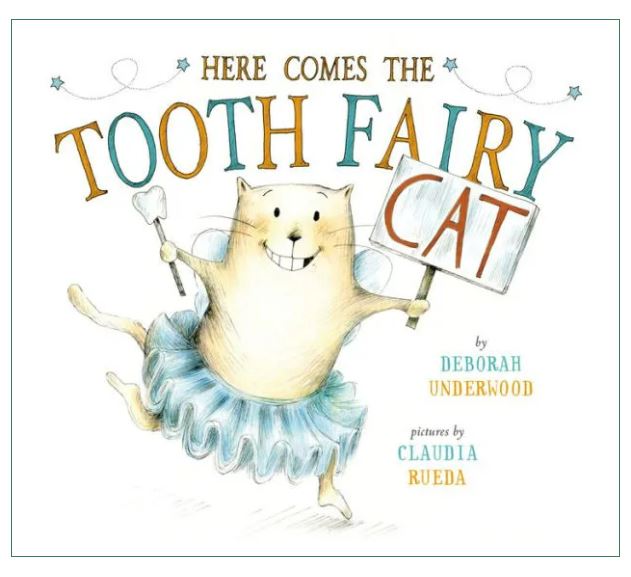
Here Comes the Tooth Fairy Cat

When Cat loses a tooth, the Tooth Fairy delivers a wholly unwanted sidekick: a mouse. Together, Cat and Mouse are tasked with running a few Tooth Fairy-related errands—which poses a challenge, since Mouse is just as competitive, mischievous, and hilariously self-involved as Cat. The stakes rise and so does the deadpan humor, culminating in a satisfying surprise that will leave readers eager for yet another delightfully devious Cat adventure.

Little readers with a wiggly tooth will fall in love with Cat, who is disappointed when the Tooth Fairy leaves him a coin. Cat really wants to meet the Tooth Fairy, so he tries to trick her by placing a tooth of a comb under his pillow. However, Cat’s plan doesn’t turn out as he hoped.

The story is told by an unseen narrator. Instead of Cat explaining his thoughts, the narrator reveals Cat’s emotions through her words. At first, the unique narration style is a little odd, but readers will soon be so engaged in Cat’s conflict that the narrator falls into the background. Since Cat doesn’t talk, he uses signs to explain his ideas and Cat’s facial expressions make his feelings clear.

Here Comes the Tooth Fairy Cat uses a simple but effective format. Each two-page spread has a picture of Cat (and eventually Mouse too) on one side. The other side has one to three short, simple sentences in oversized text. A few pages also tell the story with no words at all. The simple format allows Cat’s emotions –devious, doubtful, and delighted – to shine, and his varying emotions are one of the best aspects of the story. 

Any child who’s curious about the Tooth Fairy will be delighted by Here Comes the Tooth Fairy Cat. The creative story highlights the importance of working together. The conclusion holds a suspenseful surprise that will leave readers giggling. While Here Comes the Tooth Fairy Cat is longer than most picture books, the fast-paced story will engage wiggly readers and have them wishing for a tooth to put under their pillow. Readers about to lose a tooth should grab a pillow, a blanket, and a copy of these books as well: Tooth Fairy’s Night by Candice Ransom and Bear’s Loose Tooth by Karma Wilson.

Sexual Content 

  • None

Violence 

  • None

Drugs and Alcohol 

  • None

Language 

  • None

Supernatural

  • None

Spiritual Content 

  • None

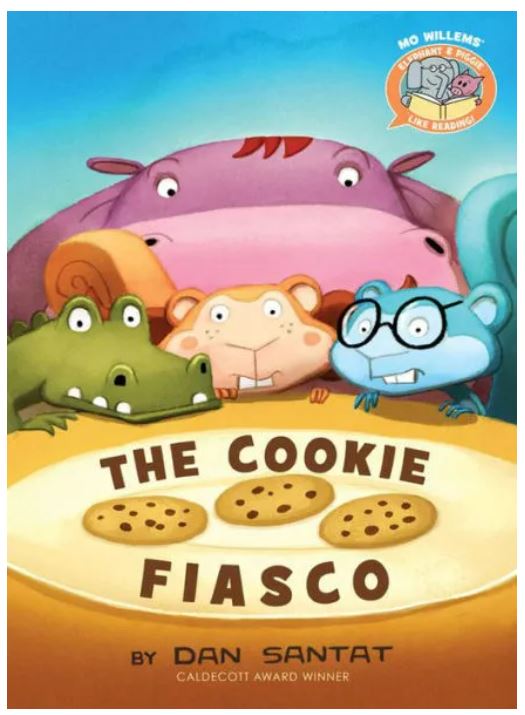
The Cookie Fiasco

Four friends. Three cookies. One problem.

Hippo, Croc, and the Squirrels are determined to have equal cookies for all! But how? There are only three cookies . . . and four of them! They need to act fast before a nervous Hippo breaks all the cookies into crumbs!

For a fun-filled afternoon, grab cookies, milk, and The Cookie Fiasco! Young readers will giggle their way through the book as they learn a little about math and friendship. When Hippo and his friends argue over who will get to eat the cookies, they debate ways to fairly divide them. Hippo is so nervous that he keeps breaking the cookies and soon, his friends know they need to “solve this problem fast! Our friendship depends on it!” 

The brightly colored animal friends pop off the page and the hilarious dialogue between the friends is wonderfully silly, as are the animal’s facial expressions. Each animal’s quote boxes are drawn in different colors that match the animal; this makes it easy to distinguish which animal is talking. Some pages tell the story with only pictures while other pages have up to four short, simple sentences. Adults should get their animal voices ready because The Cookie Fiasco! is the perfect book to read aloud. 

If you’re looking for a fun book that teaches the importance of sharing, then The Cookie Fiasco! is the book for you! The lovable characters, silly banter, and relatable conflict will make The Cookie Fiasco! a book that young readers will want to read again and again. However, this book is best served with cookies and milk! Too Many Carrots by Katy Hudson is another humorous book that highlights the importance of sharing that young readers will love. 

Sexual Content 

  • None

Violence 

  • None

Drugs and Alcohol 

  • None

Language 

  • None

Supernatural

  • None

Spiritual Content 

  • None

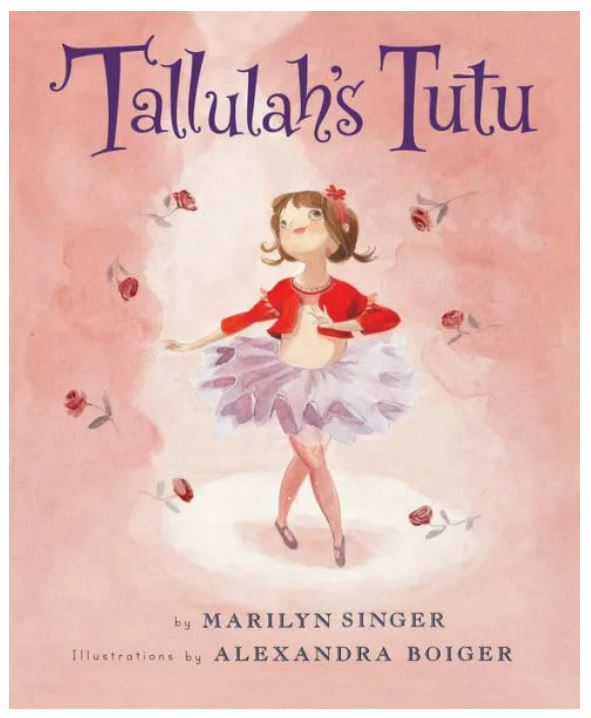
Tallulah’s Tutu

Tallulah just knows she could be a great ballerina—if only she had a tutu. She signs up for ballet class with great anticipation, only to be disappointed when tutus aren’t handed out. When she learns that one must earn a tutu in dance class, she quits in a huff. But everywhere Tallulah goes, things keep reminding her of ballet. Her neighbor’s basset hound always stands in second position, and Tallulah always does a plié when patting him. And she can’t pass a store window without doing a beautiful finish, or hear music over the grocery store intercom without performing. In the end, Tallulah returns to dance lessons because she can’t stay away, and, after working hard all year . . . she gets her tutu.  

Even though Tallulah’s Tutu focuses on ballet, any child who is learning a new skill can benefit from reading Tallulah’s Tutu. Tallulah clearly loves dance and she practices at class and at home. Her little brother, Beckett, is adorably cute and often copies Tallulah’s dance poses. Readers will relate to Tallulah’s desire to earn her tutu quickly. At the end of each dance class, Tallulah imagines all the reasons that she hasn’t been given her tutu. For example, Tallulah thinks, “her tutu must be coming from Paris. They would fly it in next week.” In order to help readers understand Tallulah’s thoughts, an illustration shows a plane flying away from the Eiffel Tower.

Tallulah’s Tutu will appeal to readers who are interested in dance; in class, Tallulah learns different types of positions that are illustrated in the front and back of the book. In order to help readers distinguish the narration from Tallulah’s thoughts, her thoughts are written in large, bold letters. Since each page has two to seven sentences, parents will need to read the picture book to their little ones rather than children reading it on their own.

Tallulah’s conflict is relatable and comes to life in beautiful, pastel pictures that are adorably cute. The other students in Tallulah’s ballet class have different skin tones and one student is a boy. There is a lot to like about Tallulah’s Tutu, including a kind ballet teacher. Plus, Tallulah’s mother allows Tallulah to quit ballet and start back up when she is ready. Since Tallulah must work hard to earn her Tutu, readers will understand Tallulah’s pride when she finally wears her beautiful tutu. Readers will also love the sweet moment when Becket gives Tallulah flowers that perfectly match her tutu. To learn more about ballet, readers should pirouette to the library and also checkout Parker Shines On by Parker & Jessica Curry and A Girl Named Misty by Kelly Starling Lyons.

Sexual Content 

  • None

Violence 

  • None

Drugs and Alcohol 

  • None

Language   

  • None

Supernatural

  • None

Spiritual Content 

  • None

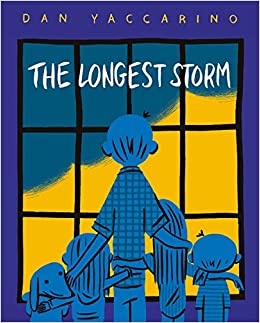
The Longest Storm

Like many children’s book authors, Dan Yaccarino uses exaggerated characters and situations to show a problem that most young readers can relate to. His story Morris Mole uses a mole in a nice suit to teach readers the importance of embracing their uniqueness. His story Boy + Bot focuses on a boy’s unexpected bond with a robot to show the value of accepting and embracing differences in friendships. In The Longest Storm, Yaccarino uses a violent, persistent storm to educate today’s young readers on an issue unique to their generation – the COVID-19 lockdown. 

Short, heartfelt, and relatable, The Longest Storm follows a nameless family learning to coexist with one another after a sudden storm forces them to stay in their house for an indefinite amount of time. At first, their time inside makes them hopelessly bored. As the storm continues, and the family repeatedly gets in each other’s way, the boredom shifts to irritation.  After the family’s patience with each other finally snaps, each member of the family has a deep desire to be away from one another despite having nowhere to go. In The Longest Storm, readers will find a thoughtful lesson about navigating and communicating their feelings to loved ones at times when words fail, and emotions overwhelm them. 

The book is narrated by an unspecified family member, using simple vocabulary that is easily accessible to new readers. Each page is carefully composed, combining several individual illustrations to show the family’s growing division, and using double-page spreads when the family has finally come to an understanding. The narration is short and concise, using only one to four sentences on each page and relying just as much on the illustrations to tell the story. As the family becomes more and more annoyed with each other, the pages are drawn in progressively brighter shades of red. As the family isolates themselves in their rooms, they are each portrayed in dark, lonely blue hues. 

If you are looking for a book to help your young reader understand the complicated and continuing issue of the pandemic, or if you are simply looking for a book that shows healthy communication, The Longest Storm should satisfy. It is a thinly disguised allegory that will connect with older and younger readers alike and will undoubtedly serve as a helpful lesson to anyone who picks it up.

Sexual Content

  • None

Violence

  • None

Drugs and Alcohol

  • None

Language

  • None

Supernatural

  • None

Spiritual Content

  • None

Latest Reviews