Scout’s Rainy Day

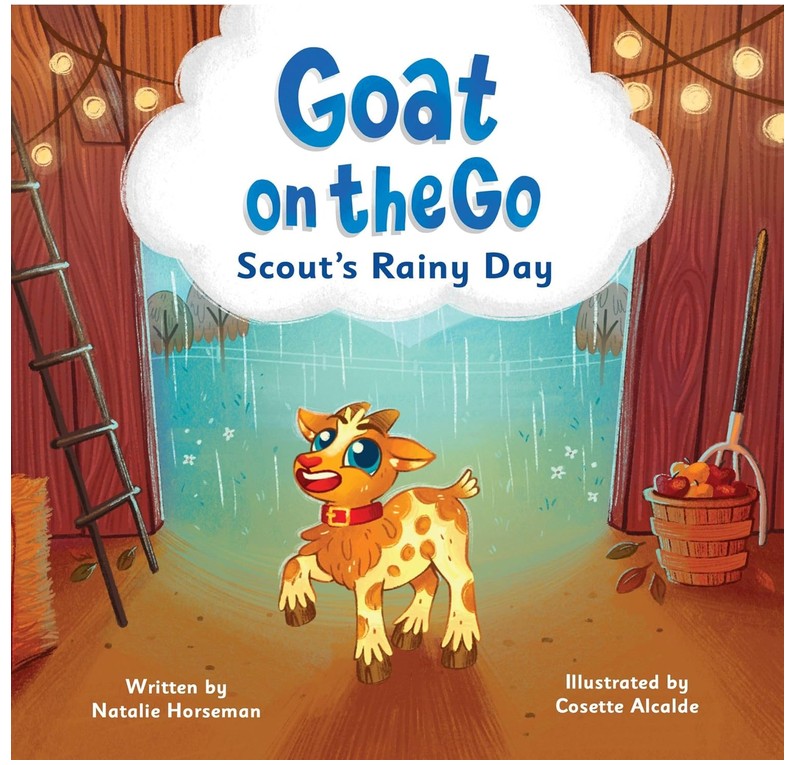
Scout the Goat has been counting down to the County Fair for what feels like forever, looking forward to the rides, the treats, and the laughter with friends. But when a thunderstorm sweeps in and ruins the big day, Scout is sure all the fun is over. In Scout’s Rainy Day, Scout learns that even the cloudiest moments can bring the brightest surprises. With imagination, teamwork, and a little help from his farmyard friends, he discovers that sometimes the best adventures happen when things don’t go as planned. 

Scout’s Rainy Day is broken into two sections, with the first section focusing on the farm animals talking about what they enjoy about the county fair. All of the animals share what people do at the fair, such as going on rides, playing games, and eating “sweet treats.” There is even one cute illustration of Scout imagining himself riding a Ferris wheel while eating cotton candy.  

The second part focuses on what happens after a storm ruins the animals’ plans and Farmer Ray puts them into the barn. At first, “Scout’s face scrunched as a grumpy feeling rumbled in his belly. He shook off the rain, stomped his hooves hard, and huffed, ‘This is not fair!’” Afterward, Scout kicks an apple barrel before lying down with tears in his eyes. However, Scout isn’t sad for long. His friends come up with fun games to play in the barn, such as bobbing for apples and knocking over milk pails. In the end, Scout exclaimed, “This turned into the BEST rainy day ever!”  

Scout’s Rainy Day has cute illustrations that feature pigs, a horse, a highland cow, and other farm animals. Scout’s big blue eyes express his emotions, and most readers will be able to identify Scout’s feelings of excitement, sadness, and joy. Even though Scout’s Rainy Day is a picture book, the story is intended to be read aloud to a child, rather than for the child to read it independently for the first time. The story uses complex sentences and advanced vocabulary. However, the story’s dialogue and use of onomatopoeia make it fun to read aloud.   

The story features a fun protagonist, a relatable conflict, and a simple plot that will engage young readers. When Scout’s plans are ruined, he is at first understandably upset, but with a little imagination and a positive attitude, his day turns into a fun adventure. Anyone who wants a fun book to share with a little one will find Scout a fun protagonist to spend time with.  

Sexual Content 

  • None

Violence 

  • None 

Drugs and Alcohol 

  • None

Language 

  • None

Supernatural 

  • None 

Spiritual Content 

  • None 

Cooler Than Lemonade: A Story about Great Ideas and How They Happen

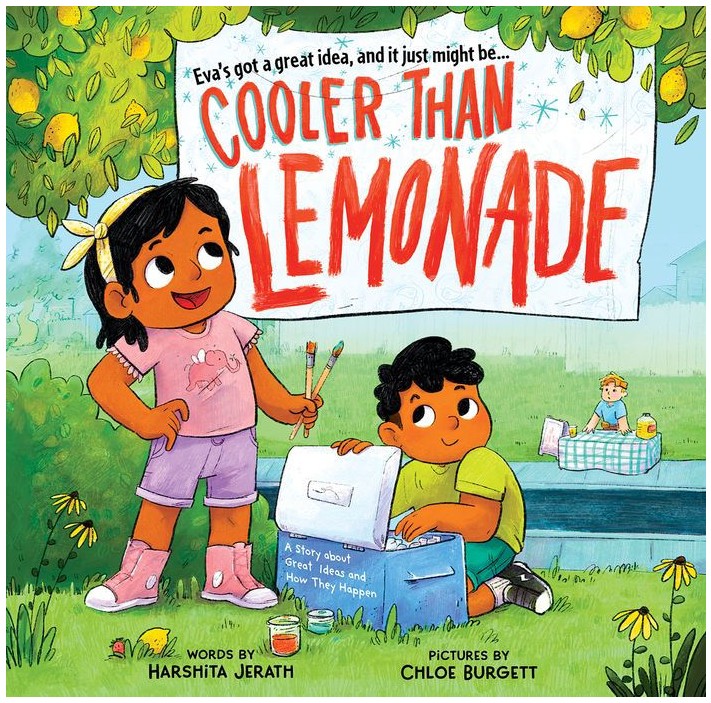
One scorching summer day, Eva comes up with a great idea: a lemonade stand! But when she sees that Jake across the street has his own stand and he’s giving away free cookies, Eva knows she needs another idea to keep people lining up. Eureka—new flavors. 

Except Jake has ideas too. Bigger and better ones, and more customers! Soon Eva is out of ideas, and she thinks, out of business. But when she takes a moment to be creative again and makes a batch of delicious kulfi ice cream, she discovers fresh inspiration—and a new way to succeed. 

Eva is an inspiring main character who is always willing to “fix problems, to try new solutions, and to make new things.” The story shows how Eva often “stews” about an idea before putting her thoughts into action. However, her solutions require trial and error. For example, when Eva wants to add strawberries to lemonade, she “experiments, she tests, and she adjusts” based on her friends’ and family’s input. The story shows Eva’s thought process, which culminates in a new idea that snaps, sizzles, and spouts. Young readers will be inspired by Eva’s can-do attitude, which allows her to meet each new challenge.  

Eva’s story comes to life in bright colors, cute illustrations, and fun fonts. Keywords are printed in oversized font, making them jump off the page. Young readers will love examining the full-page illustrations because of the unique elements. For example, one illustration shows Eva watching in shock as her competitor, wearing a crown and holding a cookie, is carried on a surfboard. In another illustration, a boy dressed as a lemon holds a megaphone and a “free cookies!” sign. The illustrations add humor to the conflict. Many of the illustrations depict Eva’s little brother, reinforcing the idea that Eva is a good role model.  

Even though Cooler Than Lemonade is a picture book, the story is intended to be read aloud to a child, rather than for the child to read it for the first time independently. Each page has one to nine short sentences. However, younger readers may need help understanding some of the words. The end pages also include a brief description of kulfi and a kid-friendly kulfi recipe. 

Cooler Than Lemonade is a fun story that will leave readers feeling empowered to come up with their own ideas. The engaging story has a positive protagonist who demonstrates how to solve problems, adapt, and maintain a growth mindset. The story’s conclusion is perfect not only because it shows Eva’s cultural pride but also because it reveals her willingness to become her neighbor’s business partner rather than his competitor.  

The story’s positive message, determined protagonist, and emphasis on STEM thinking—particularly Eva’s habit of experimenting, testing, and adjusting her ideas—make Cooler Than Lemonade a must-read book. For more encouraging stories that focus on STEM education, read Charlotte the Scientist Is SquishedCece Loves Science and Adventure, and Ada Twist, Scientist.  

Sexual Content 

  • None 

Violence 

  • None 

Drugs and Alcohol 

  • None 

Language 

  • None 

Supernatural 

  • None 

Spiritual Content 

  • None

Cloth Lullaby: The Woven Life of Louise Bourgeois

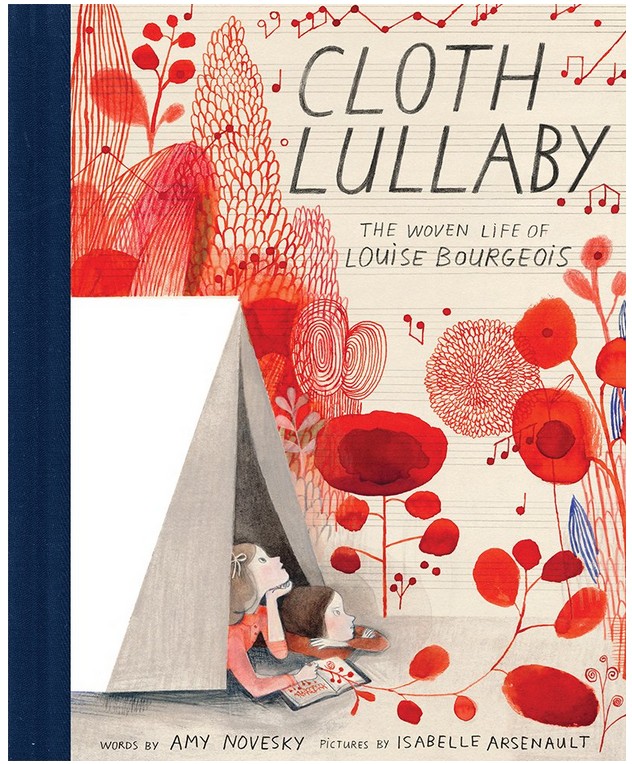
Imagine growing up in a grand Parisian home that also functions as a tapestry repair workshop along the banks of the Seine River in the 1940s. Cloth Lullaby follows Louise as her life gradually unfolds, offering insight into how a world-renowned artist takes shape. Through quiet, observant moments, readers watch a young girl grow up and eventually leave her childhood home to attend college in Paris. 

The story of Louise Bourgeois demonstrates a rare level of sophistication for a children’s book through its use of literary devices such as allegory, along with the selective inclusion of a few French terms. At its core, the narrative honors the bond between mother and child, showing how loss reshapes a life and leads to a creative path of expression. 

A central thread in the story is Louise’s mother. Readers can picture her repairing fabric on a summer afternoon and sense the care she brings to Louise’s life. As the text notes, “She loved to work in the warm sun, her needle rising and falling beside the lilting river.” When Louise turns twelve, her mother begins teaching her the family trade. Through lessons in form and color, readers glimpse the start of Louise’s lifelong artistic path and her understanding that textiles can communicate meaning: “Some bore elaborate patterns, others told stories.” 

Cloth Lullaby unfolds with a steady, flowing narrative structure, yet attentive readers begin to notice underlying discontent. Louise’s father is largely absent from her life. When the text notes that “he was always leaving, which made Louise so mad, she threw herself into the river,” the phrasing is striking and unsettling. Within the context of a picture book, this moment reads as hyperbole, yet it signals deeper emotional unrest. 

Difficult themes such as neglect and loss are handled gently, though adult readers may notice subtle cracks in what appears to be an ideal childhood. For young readers, the story returns to comforting moments, such as Louise pitching a tent with her siblings and falling asleep to “the rhythmic rock and murmur of river water.” The “big house on the river” serves not only as a home but also as a source of creativity and sustenance, as the tapestry studio, surrounded by gardens, “provided flowers and fruit, a lullaby and a livelihood.” 

“Louise’s mother was her best friend.” This single line foreshadows the devastation Louise experiences after her mother’s death. While studying mathematics in college, grief redirects her path. Heartbroken, “she abandoned mathematics and turned to painting, applying the lessons she’d learned so far to art.” In this moment, the artistic life of Louise Bourgeois begins to take shape, leading eventually to her monumental, emotionally charged sculptures. 

Through allegory, the spider becomes a symbolic stand-in for Louise’s mother and a lasting source of inspiration. As the text explains, “Her mother was not unlike a spider, a repairer of broken things.” Bourgeois’s best-known works, her towering spider sculptures, some reaching thirty feet tall, can appear frightening at first glance but become deeply meaningful when viewed through this lens. As the text describes, “she missed her mother so much she sculpted giant spiders made of bronze, steel, and marble.” She named them Maman, meaning mother. 

Alongside these monumental works, Louise also created smaller-scale art. “She sewed. She stitched. She reworked. She wove.” She stuffed stockings to form cloth sculptures and figures, sewed colorful spirals and circular webs, and made cloth drawings and books, continuing the tactile traditions she learned at her mother’s side. 

As the story unfolds over time, select French words appear, such as araignée (spider) and rentrayage (to reweave through a hole in fabric). The text also introduces weaving terms of the trade, including warp and weft, with the warp referring to the fixed vertical strands on a loom and the weft to the horizontal threads that interlace with them. These specialized terms are made accessible through clear context and accompanying illustrations that visually reinforce their meaning.  

In conclusion, Cloth Lullaby is best experienced like a work of art, inviting readers to engage with its abstract, symbolic, and interpretive qualities rather than a strictly linear narrative. The last three pages of the Author’s notes add valuable context to Louise Bourgeois’s life, describing the recognition she began to receive. Her career culminated in a retrospective at the Museum of Modern Art at age seventy-one. Bourgeois remains one of the most renowned modern artists of her generation, and Cloth Lullaby offers young readers a meaningful introduction to art as a way of understanding personal history, loss, and creativity. 

Sexual Content 

  • None 

Violence 

  • None   

Drugs and Alcohol 

  • None 

Language 

  • None

Supernatural 

  • None 

Spiritual Content 

  • None 

by Maureen Lowe 

Can I Give You a Squish?

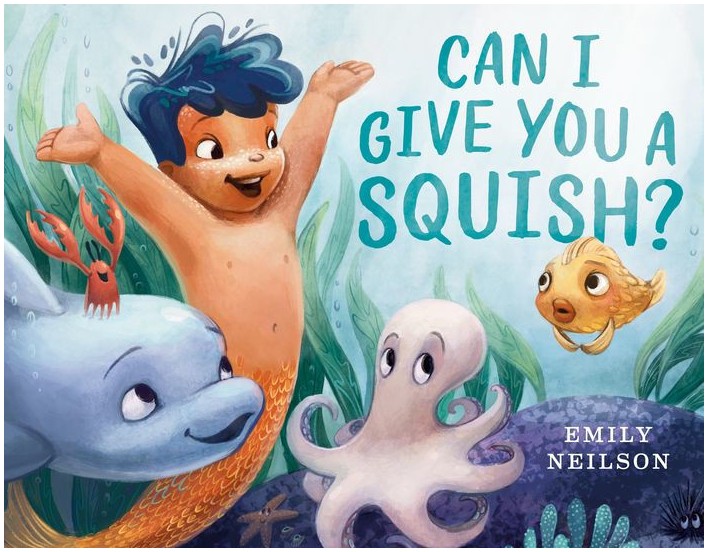
Kai is a little mer-boy who’s big on hugs—or “squishes,” as he and his mama call them. But not everyone’s a fan of Kai’s spirited embrace, which he discovers soon after squishing a puffer fish, who swells up in fright! Kai feels awful; but with the help of his friends, he figures out another way to show his affection, and everyone demonstrates their preferred ways of being greeted. Because, as Kai realizes, “Every fish likes their own kind of squish.” 

Can I Give You a Squish? is a sweet story that helps young readers understand that not everyone feels comfortable getting a hug. When Kai learns this lesson, he feels really sad, but with the help of his friends, Kai discovers that there are other ways to show affection, including fist bumps, tail claps, tentacle shakes, and even a claw pinch. The short, simple story teaches readers the importance of respecting other people’s boundaries. 

One of the best parts of the book is the illustrations, which are beautiful and full of humor. Almost every page features Kai’s friends: an octopus, a dolphin, and a crab. The sea creatures’ facial expressions do an amazing job of showing emotions. For example, when Kai hugs the puffer fish, the octopus is grabbing hold of kelp, his eyebrows are lowered in a look of concern, and he is partly covering his eyes. Readers will love looking at all of the small details in the pictures, such as the snails floating in bubbles, the sea urchins hiding among the coral, and the colorful fish throughout. 

Can I Give You a Squish? will quickly become a favorite story thanks to its positive message and cute illustrations. Plus, with only a few short sentences on each page, it’s the perfect length for a bedtime story. While the story’s message is intended for younger children, it is engaging enough to entertain elementary-age readers. Explore more ocean-themed books that teach positive lessons by reading Pout-Pout Fish Adventure Series, Clark the Shark, and The Three Little Fish and the Big Bad Shark. 

Sexual Content 

  • None 

Violence 

  • None 

Drugs and Alcohol 

  • None

Language 

  • None 

Supernatural 

  • None 

Spiritual Content 

  • None 

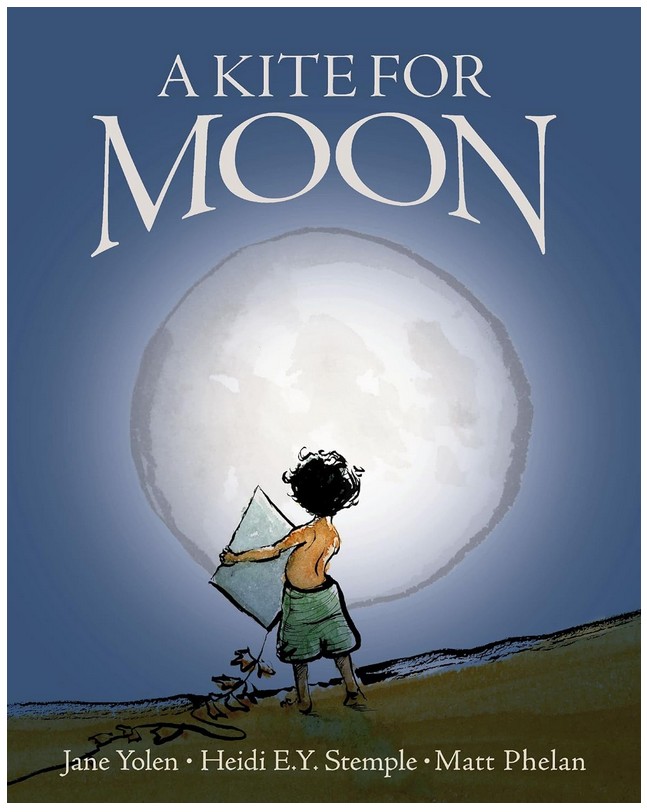
A Kite for Moon

What would it be like if the moon was your friend? Find out as you walk alongside a little boy who journeys through life to achieve his dream of becoming an astronaut. And then blast off with your little one as you zoom to the moon together! 

A Kite for Moon begins when a little boy flying his kite notices a sad Moon. He sends up kites to her, writing notes promising he will come see her someday. This promise propels him through years of studying, learning, and training to become an astronaut until he finally goes up, up, up in a big rocket ship with a fiery tail. 

Inspired by astronaut Neil Armstrong, A Kite for Moon follows an unnamed boy’s friendship with the moon. Through the years, the moon watches the “very small boy” study algebra and geometry. The boy also learns how to “ride a bicycle, drive a car, fly a plane, and a rocket.” As the boy grows, he never forgets his promise to the moon. Several illustrations show him surrounded by books and his telescope, reminding readers that achieving dreams takes dedication and hard work. 

Illustrator Matt Phelan created beautiful illustrations that often cover an entire two-page spread. The simple illustrations show the vastness of the sea and sky, hinting at the seeming impossibility of the boy’s dream to visit the moon. Reflecting the ocean and moon’s blue hues, the muted colors give the book a dream-like quality that will captivate readers. Although it’s a picture book, adults will need to read it to young children because of its complex sentences and vocabulary. For example, as the moon watches the boy grow, it “waxed and waned.” 

A Kite for Moon is an inspiring book to read to a child, inviting readers to imagine their own dreams taking flight. The story also makes a wonderful gift for anyone transitioning through life, reminding them that dedication can lead to extraordinary achievements. The book includes a beautiful presentation page, making it ideal for gift-giving. Young readers who are fascinated by the moon should also read Mousetronaut, Rocket Says Look Up, and Moon’s First Friends: One Giant Leap for Friendship. 

Sexual Content 

  • None 

Violence 

  • None

Drugs and Alcohol 

  • None

Language 

  • None 

Supernatural 

  • None

Spiritual Content 

  • None 

Extra Yarn

Annabelle, a young girl living in a bleak, wintry town, is surrounded by darkness, cold, and solitude. Everything changes when she discovers a miraculous box filled with colorful yarn—magical, limitless, and full of possibility. As Annabelle knits, her creativity brings people closer and fills the town with color. Her generosity becomes a gift that keeps giving, gaining momentum with each act of kindness and resulting in a surprising twist in the story’s conclusion. This picture book invites children into a world where giving feels wondrous and unexpected, even as a dark force threatens to upend the town’s happiness. At its heart, the story celebrates generosity, creativity, and the triumph of goodwill over evil.  

Extra Yarn has a sweet, simple storyline: a quirky little girl with a dog named Mars begins knitting colorful sweaters and refuses to be discouraged when her neighbor, Nate, teases her. Instead, she knits one for him, too. “And even after she’d made a sweater for Nate and his dog, and for herself and for Mars, she still had extra yarn.” With each new creation, Annabelle always has yarn left over. The idea of extra yarn becomes a repeating motif throughout the story: “but there was still extra yarn.” For parents, the never-ending yarn is a gentle reminder that generosity and kindness have no limits. For young readers, the endless yarn creates a joyful and imaginative adventure. As the story unfolds, more and more color appears in the artwork, mirroring the growing warmth Annabelle brings to her world. 

Colorful knitting gradually appears on neighbors, pets, and wild animals—first as sweaters, scarves, and hats, and eventually even on the town’s trees and buildings. These scenes evoke the real-world art practice of yarn bombing, where public objects like trees, fences, and poles are wrapped in vibrant knitted creations. Comically, “Annabelle made sweaters for things that didn’t even wear sweaters.” Young readers will enjoy artwork revealing a once-dreary town transformed into a colorful, textured landscape. What begins as a simple sweater soon elevates Annabelle to local celebrity status for her miraculous knitting. “News spread of this remarkable girl who never ran out of yarn.” 

In a dramatic turn, a villainous archduke from a faraway land appears, recognizing the magical power of Annabelle’s yarn. He demands that she sell the box to him, offering millions of dollars in return. Annabelle refuses. The same little girl whose endless generosity and creativity have brightened her town has no interest in wealth, and her refusal only fuels the villain’s anger. He hires robbers to steal the box, an act that threatens to destroy Annabelle’s joy. Yet even as the yarn is taken from her, it becomes clear that Annabelle’s true gifts—her generosity, kindness, and unwavering goodwill—can never be stolen. They live within her, radiating a happiness no one else can claim. In the end, the box returns to Annabelle as mysteriously as it arrived. 

Extra Yarn has received many awards, including a Caldecott Honor and a spot on Time Magazine’s 100 Best Children’s Books of All Time. Jon Klassen’s artwork uses striking visual contrasts that complement Barnett’s storytelling. Most of the artwork is rendered in monochromatic or black-and-white tones, with the knitted pieces growing more vibrant as the narrative progresses. Created with a blend of pencil work, selective color, and digital techniques, the illustrations carry a vintage, minimalistic quality. Klassen’s mix of hard and soft edges mirrors the story’s shift from the ordinary to the magical. Each page is enriched with artwork, much of it unfolding in expansive full spreads. Extra Yarn shines when read aloud, especially with thoughtful pacing. Young readers will giggle at the imaginative, silly scenes of animals bundled up in sweaters. The story builds to a captivating finale that restores justice and offers relief when the box finds its way back to its rightful owner. In the end, goodwill wins.  

Sexual Content  

  • None 

Violence  

  • The story touches only lightly on burglary and vengeance, presented in a way that remains gentle and age appropriate. The villainous archduke “hired three robbers to break into Annabelle’s house, and they stole the box.” When he later finds out the box is empty, he yells, “Little girl, I curse you with my family’s curse! You will never be happy again!” The story unfolds much like a traditional fairy tale, complete with a clear antagonist and a moral resolution. 

Drugs and Alcohol  

  • None 

Language  

  • None 

Supernatural 

  • The book carries a sense of quiet magic, the kind that feels whimsical rather than spiritual or supernatural, making it especially gentle and reassuring for young readers. 

Spiritual Content  

  • None 

by Maureen Lowe 

Acoustic Rooster and His Barnyard Band

Acoustic Rooster loves music and spends most of his days strumming on his bass guitar. When he learns about his farm’s upcoming Barnyard Talent Show, he is eager to join a band and show off his guitar skills. However, problems arise when Acoustic Rooster struggles to find a spot in the existing bands, leading him to a radical conclusion: “I’ll start my own band.” But finding musicians is no easy task; and with the talent show rapidly approaching, Acoustic Rooster’s chance to showcase his talent falls into jeopardy. Will he be able to perform in the Barnyard Talent Show?  

Acoustic Rooster and His Barnyard Band is a quick, enjoyable story about a guitar-playing rooster who wants to share his love for music with others. Told in a third-person narration, the story follows Acoustic Rooster and his journey to participate in his farm’s Barnyard Talent Show. From the start, Acoustic Rooster is characterized as an easygoing, lovable rooster whose inviting personality helps him form a barnyard band. His ability to withstand rejection from the other bands and then effortlessly pivot to form his own band highlights his fortitude and quick thinking, which inspire many readers. By showcasing the real-life issues surrounding talent shows, such as organizing a team, the book also takes on a genuine feel, allowing readers to relate to the excitement and frustration of starting something new. 

The book presents an encouraging lesson on resilience and teamwork. Although Acoustic Rooster is rejected by multiple band groups, like Thelonious Monkey’s crew or Ella Finchgerald’s trio, he doesn’t allow rejection to define him. Instead, he turns a difficult situation into a creative solution by having “a great idea” and forming his own team. This resilience is an uplifting reminder, and the resulting band also demonstrates the importance of teamwork and friendship. Although Acoustic Rooster’s band doesn’t win the talent show, his love for his bandmates extends beyond his second-place finish, showing that good friends and teammates are more important than material accolades. Acoustic Rooster and His Barnyard Band ultimately challenges readers to realize that their relationships with others are more important than their rewards and accomplishments.  

Overall, Acoustic Rooster and His Barnyard Band is a fun story for early readers. Each page uses two or three sentences of simple narration and provides large illustrations with bright colors. The addition of a lively rhyme scheme also keeps the story fresh and engaging. Although this book may be too simple for older readers, Acoustic Rooster and His Barnyard Band is the perfect book for early and reluctant readers who love animals and colorful illustrations. 

Sexual Content 

  • During a performance, Acoustic Rooster plays a “bossa nova tune” that “made the barnyard chickies swoon.” 

Violence 

  • None

Drugs and Alcohol 

  • None 

Language 

  • None

Supernatural 

  • None

Spiritual Content 

  • None 

by Caleb Kleinmann  

Out of the Woods: A True Story of an Unforgettable Event

Five-year-old Antonio Willie Giroux lives at his mother’s hotel in Ontario, Canada, where he spends his time watching and interacting with the business’s many workers and customers. On most days, he finds himself exploring the nearby woods, peeking into hunters’ rooms, and listening to the conversations and laughter of lumberjacks and silver miners, who “played cards and made music.” However, everything changes one day when the sight of smoke and flames in the trees forces everyone to run for their lives. With the situation growing dire, Antonio and the others wade into the safety of Gowganda Lake as the air grows thick with smoke and dust. Will he and his family survive this disaster? More importantly, will his life ever be normal again? 

Out of the Woods is a sentimental story that conveys the importance of reflecting on one’s life experiences. Told from a third-person perspective, the book follows young Antonio’s life at his mother’s hotel. Given the story’s emphasis on impactful experiences, it offers little character development for Antonio, but readers can infer that he’s a curious and reflective child from his actions and thoughts. However, readers gain a sense of relatability with Antonio by seeing terrifying circumstances through his eyes. This allows readers to experience the threat of fire and destruction as a child would. Although many readers may not relate to Antonio’s experience with a forest fire, they can connect with his sense of fear, confusion, and amazement. His sense of calm and reflectiveness in the face of danger serves as an inspiring example for others also in difficult situations. 

The story excels at conveying profound messages without explicitly stating them, showing how life-changing experiences can forever impact the rest of one’s life. For example, Antonio’s experience with the wildfire significantly changed his being. Although he remained near Gowganda for the next ten years of his life, he “never forgot the fire or the people up to their waists in water.” Readers can surmise that the situation altered his perspective on wildfires, the significance of home, and the fragility of life. It ultimately encourages readers to reflect on their own experiences and how those times affected and shaped their character.  

Out of the Woods features realistic illustrations in a mix of ink and watercolor, with most illustrations filling each page and depicting the book’s events in an informative and emotional manner. Alongside these pictures, one or two short paragraphs with simple diction are sprinkled across each page, and an author’s note at the end provides context on the story’s creation and its writing influences. Although the book uses a destructive force like a wildfire to create conflict, the fire doesn’t directly impact the characters or locations; in fact, very little damage is shown outside of burnt trees and red skies, which makes it more early reader friendly. Overall, Out of the Woods is an emotionally rich book, and its ability to elicit personal reflections from simple text and art makes it a must-read for young and old readers. Adults who want to help a child explore the issue of wildfires in a child-friendly manner can pair Out of the Woods with The Fox and the Forest Fire, Wildfire Rescue, and Dolores and the Big Fire. 

Sexual Content 

  • None 

Violence 

  • None 

Drugs and Alcohol 

  • None 

Language 

  • None 

Supernatural 

  • None 

Spiritual Content 

  • None 

by Caleb Kleinmann

Blue: A History of the Color as Deep as the Sea and as Wide as the Sky

For centuries, the color blue was one of the rarest and most special in the world! People believed the color was sacred, even magical. Artists crushed shiny blue rocks called lapis lazuli from faraway Afghanistan to paint the sky and the sea. Merchants gathered tiny sea snails that made a few precious drops of blue dye for royal robes. Later, a plant called indigo became famous for its deep blue color. It was so popular that whole countries grew it just to make more dye. But it was very hard work for the people forced to grow indigo. Then one day, scientists invented a way to make blue in a lab, and suddenly blue was everywhere—easy to use for clothes, art, and even your favorite jeans! 

Blue: A History of the Color as Deep as the Sea and as Wide as the Sky invites readers on a journey to discover the origins of the color blue, both as a dye and a pigment, and reveals how rare, mysterious, and complicated its history truly is. Through gracefully woven historical snapshots, young readers will be fascinated to learn surprising facts, like how blue dye can be extracted from tiny sea snails. Readers will gain a powerful understanding of the color’s ties to slavery and the harsh realities of indigo production. 

As early as 4500 BC, when miners began extracting lapis lazuli from the earth, people discovered just how rare it was to find the color blue in any form. Crushing these vivid blue stones was the earliest method of creating the pigment. “By 44 BC, many Egyptians, including Queen Cleopatra VII, were applying a bluish mixture around their eyes that looked like eye shadow.” About six centuries later, blue began appearing in sculptures and paintings—but it remained a color reserved for the wealthy and powerful. 

Before long, people discovered a new, though challenging, way to create blue dye. Author Nana Ekua Brew-Hammond invites young readers to marvel at the humble sea snail. Inside its tiny body, “dyers had different ways of releasing the color. In Mexico, they pressed the snail’s foot. In the Middle East, they cracked its shell. Then they waited for the blue to appear.” For those who attempted it, creating snail-blue was incredibly difficult. Each snail produced only one or two drops of dye. Imagine how many snails it would take to color a single royal robe! 

At last, a discovery transformed the difficult process of making blue dye from sea snails into a thing of the past. “In parts of Asia, Africa, the Caribbean, and the Americas, a group of plants in the pea family grew. . . There were a few different ways to get blue from these plants’ green leaves. Indian dyers soaked them in water, while West African dyers crushed and dried them.” The miracle of this discovery was that the blue from indigo plants was not only far less expensive to produce, but also equally vibrant and long-lasting. 

The story reaches a remarkable turning point when a scientific breakthrough changes how blue is made forever. “From the time blue was found, scientists worked hard to make a blue that wasn’t so difficult or cruel to produce. In 1865, scientist Adolf von Baeyer began trying, and forty years later, in 1905, he won the Nobel Prize for creating a chemical blue.”

Each turn of the page reveals a sea of blue awash in complementary tones that dance across the paper. Three-dimensional realism meets flat pattern work, their layers softened by watercolor washes, flowing drips, and textures drawn from the natural world. Illustrator Daniel Minter, recipient of a Caldecott Honor and the NAACP Image Award for Outstanding Literary Work, traces the remarkable journey of a single color as it travels across the world and through time. 

The book concludes with a captivating double-page spread of supplementary material, featuring an Author’s Note and additional fascinating facts about the color blue. These final pages are well worth exploring, as they uncover surprising pieces of history—especially about the United States. “South Carolina was an important part of the global indigo economy in the mid-1700s. . . For a time, until the Revolutionary War began in 1775, indigo was more profitable than rice to the American economy.” 

The book introduces fascinating new words, like Indigofera and tekhelet. These words might be unfamiliar at first, but they help tell the story of where the color blue comes from. For example, “Afghanistan’s Sar-e-Sang valley” is where people once mined the deep-blue stone called lapis lazuli. And there is “a group of plants in the pea family. . . called Indigofera.” Additionally, “tekhelet is blue made from the secretions of sea snails. . . part of the Jewish High Priest’s uniform was blue.” Each of these words shows how people all over the world have searched for and discovered different ways to create the color blue. 

Although Blue: A History of the Color as Deep as the Sea and as Wide as the Sky is a picture book, it is meant to be shared aloud rather than read independently. Its exploration of the color blue’s long and fascinating history adds depth and makes the story especially engaging when read aloud. 

Younger readers will be drawn to Blue: A History of the Color as Deep as the Sea and as Wide as the Sky again and again, not only for its compelling narrative but also for its vivid illustrations that bring moments in history to life. The image of a sea snail being squeezed to make blue dye is both amusing and memorable, while the story’s uplifting conclusion invites readers to reflect on the color’s meaning: “It’s become a symbol of possibility, as vast and deep as the bluest sea, and as wide open and high as the bluest sky.” 

Sexual Content  

  • None 

Violence  

  • The story reveals how the history of slavery is deeply connected to the production of indigo dye. It describes how farmers in India and Bangladesh were often tricked or forced into growing indigo plants instead of food crops.  
  • In the United States, “some made the African captives they had enslaved farm indigo, calling the plant a cash crop because it brought in a lot of money.”  
  • The book also draws a powerful link between this painful history and the birth of American blues music, showing how creative expression can emerge from deep suffering. “We feel ‘blue’ when we’re sad, perhaps because the people who had to dig, grind and grow passed down their painful memories of working the mines or slavery on indigo plantations.” 

Drugs and Alcohol  

  • None 

Language  

  • None 

Supernatural 

  • None 

Spiritual Content  

  • The story explains that many cultures view the color blue as sacred because it is so rare. From Liberia to Italy, Indonesia to Israel, blue carries special meaning. In Israel, for example, “blue drapes hung in the temple King Solomon built. And many Jews still wear blue-dyed threads called tekhelet. 

by Maureen Lowe 

The Bakery Dragon

Ember has always been different from the other dragons. His fearsome roar sounds more like a polite sneeze, and when he breathes fire, the villagers just pat his head and say awwww.

Ember fears he’ll never collect a respectable hoard of gold until a chance encounter with a baker causes his fortunes to turn (and his stomach to grumble). As the little dragon soon discovers, the gold you make is way better than the gold you steal—and gold that is shared? That’s best of all. 

Young readers will relate to Ember, who is too small to shoot fire like the other dragons. When an unexpected storm catches the little dragon by surprise, the baker invites him into the shop and teaches him how to make bread. While preparing the dough, Ember realizes his hands are “perfectly suited” to making bread and his small flame can “light the wood stove.” 

But the best part of the book is the surprising conclusion. When the other dragons are envious of Ember’s golden bread, they march to the bakery and learn that “baking gold is better than taking it. And sharing it is best of all.” In the last scene, both dragons and humans are enjoying the golden bread and the golden coins. Like the dragons, the humans are diverse, and readers will want to hunt through the illustrations for all the little surprises, such as a man holding three goats, a little girl hugging a rabbit, and several dragons giving away their gold.  

Readers will be drawn into The Bakery Dragon because Ember is adorable, and he lives in a typical fairy-tale world that is awash in golden light, which is in almost every illustration. However, the golden glow doesn’t just come from the dragon’s treasures; it also comes from Ember’s small flame, the bakery’s windows, and the bread. When Ember piles his golden bread into his lair, readers will be able to imagine the warm, soft bed Ember creates out of his “gold.” One of the best parts of the illustrations is the dragon’s facial expressions, which are easy to understand and will pull at the reader’s heartstrings. Readers will empathize with Ember as he feels a range of emotions from sadness to fear to pride to contemplation. 

The picture book has zero to five sentences per page and uses simple vocabulary. When a character is speaking, the text appears in white quote bubbles, making it easy to distinguish between narration and dialogue. Even though The Bakery Dragon is a picture book, the story is intended to be read aloud to a child rather than for the child to read it independently for the first time. However, younger readers will want to explore the detailed illustrations on their own.  

The Bakery Dragon is a must-read because it teaches many life lessons, such as the importance of sharing. The story and the illustrations highlight dragons’ and humans’ unique differences, which makes it even sweeter when Ember discovers that, while smaller than the other dragons, his body is perfectly suited to baking bread. The creative, magical book will capture readers’ hearts and should be on every reader’s bookshelf. 

Sexual Content 

  • None 

Violence 

  • To obtain more gold, the dragon, Blaze, throws fire at two villagers. No one is injured. 

Drugs and Alcohol 

  • None

Language 

  • None 

Supernatural 

  • None 

Spiritual Content 

  • None 

The Snowy Day

After breakfast, he puts on all of his warm snow gear and heads outside. As Peter explores the snowy city, he realizes that he can leave patterns in the snow with his feet. He draws lines and shapes before finding a stick to help him draw in the snow. As Peter continues his adventure, he sees the older kids having a snowball fight. While Peter would like to play with them, he knows that he is not old enough to do so. Instead, Peter learns to build a snowman and make snow angels. 

Peter loves playing in the snow so much that when he has to go home, he collects a snowball and puts it in his pocket. As Peter warms up inside, he tells his mom all about his adventures. Peter cannot stop thinking about how much fun he had. However, when Peter goes to bed, he discovers his snowball has melted. He becomes sad as he dreams that the sun has melted all the snow. Luckily, Peter wakes up to new snow, and this time, he takes his friend on his adventures. 

The Snowy Day is told from a third-person point of view, focusing on Peter, a young boy who lives with his mom in the city. While Peter has a few silly experiences, like having snow plop on his head and not being able to play with the older kids, he makes the best of his day. Young readers will relate to Peter, who is having fun and shows that anything can be turned into an adventure. 

The Snowy Day is a colorful and fun read for children of all ages. Peter’s bright orange snow suit is easy to spot among the winter wonderland Keats has created. From bright whites to cool blues, The Snowy Day is told through both its pictures and its words. This story reveals the magic behind a child’s eyes when they are given the chance to explore the world, and Peter’s fascination with the many things he can make with the snow. 

This beloved children’s book is great for anyone ready for adventure. Ezra Jack Keats shows the reader that every day is a fresh start. Peter gets to go on another adventure with his friend because “the snow was still everywhere. New snow was falling!” Even though this book is both written and illustrated quite simply, The Snowy Day teaches that if you use your imagination, you can find joy every day. 

Sexual Content 

  • None 

Violence 

  • None 

Drugs and Alcohol 

  • None 

Language   

  • None

Supernatural 

  • None 

Spiritual Content 

  • None 

by Allison Penski 

Starring Steven Spielberg: The Making of a Young Filmmaker

Before Steven made films, he watched them. Naturally inventive with a vivid imagination, he was known for creating stories inspired by the world around him. But his passion wasn’t driven just by entertainment—as the only Jewish boy in his neighborhood, he was often bullied and felt the sting of antisemitism. Life also felt off-balance as his parents’ marriage wasn’t stable. Films, and the magic they contained, became a necessary escape. From his early childhood to his first days on a movie set, this biography captures the unique ways Steve’s memories influenced his career and helped him to become the celebrated filmmaker that he is today. 

Like all of us, as a child, Spielberg wanted to fit in with his peers. This was made difficult because of his parents’ unstable marriage, which caused the family to move frequently. “Wherever he lived, he felt like an outsider, like an alien from another planet.” He was also bullied because he was Jewish, but he didn’t let this get in the way of his dream. People were surprised “when he gave the role of squadron leader to a tough school kid who taunted him for being Jewish. The boy’s face was perfect for the part, and that’s what mattered most to Spielberg.” 

Steven Spielberg made some of the most influential films, including Raiders of the Lost Ark and E.T. the Extra-Terrestrial. Starring Steven Spielberg: The Making of a Young Filmmaker explains how Steven Spielberg’s childhood experiences were integrated into his movies. For example, Steven “loved playing pranks—especially on his three sisters. He told them stories about a twenty-foot-tall bogeyman who peered into windows.” Eventually, he put this story into his movie Poltergeist.   

Learning about Steven Spielberg will be inspiring for readers of all ages. As a child and teen, Steven made movies and studied the effect it had on the audience. “As neighbors watch the screen, Steven watches the neighbors. Why did they laugh? When did they scream? What made the characters interesting?” This allowed Steven to learn and grow as an artist. 

Despite Steven’s efforts, every film school he applied to rejected him. However, not even this could stop him from achieving his dreams. Steven’s ability to experiment with a camera, write scripts, and constantly learn showcases the importance of dedication and perseverance. Despite difficulties, Steven became “a producer, cofounded a movie company, worked with celebrated actors, won major awards, and influenced a new generation of filmmakers.” 

Although Starring Steven Spielberg: The Making of a Young Filmmaker is a picture book, the story is intended to be read aloud to a child, rather than the child reading it independently for the first time. The full-color illustrations are realistic and may scare younger children. For instance, when Steven was a child, he imagined “tree shadows on the bedroom wall became giant claws. He thought demons were calling him from the TV static.” The illustrations bring this scene to life, including the “claws” on the wall. The book’s length and vocabulary make it best suited for older readers. Some pages feature up to nine complex sentences that utilize advanced vocabulary, including terms such as vaudeville, spine-tingling, antisemitism, and brotherhood. Reading the book may spark readers’ curiosity about Steven’s films. However, they may not be mature enough to watch some of his movies, such as Schindler’s List, Poltergeist, and Saving Private Ryan. 

Starring Steven Spielberg: The Making of a Young Filmmaker is an entertaining and educational book that encourages readers to live life with passion. The book is a must-read for anyone interested in the movie industry. However, anyone who has watched one of Steven’s films will see how pieces of Steven’s life are incorporated into his films, and this gives both the real-life stories and the films more depth. Any adult seeking a book to inspire children to dream big should add Starring Steven Spielberg: The Making of a Young Filmmaker to their reading list. People interested in Steven’s life will find more motivational content in the book Hispanic Star: Selena Gomez. 

Sexual Content 

  • None 

Violence 

  • “Steven tackled antisemitism on a larger scale when he made Schindler’s List, about a Nazi who saved the lives of 1,200 Jewish people during the Holocaust.” 
  • While a child living in Arizona, “some neighbors were not neighborly toward Jewish families. The Spielberg family was singled out with antisemitic slurs and threats. It became so stressful that Steven began to deny his Jewish heritage.” 
  • While at school, “Bullies circled him like hungry sharks. School became more about survival and less about learning.” 

Drugs and Alcohol 

  • None 

Language 

  • Because the Spielberg family was Jewish, they were “singled out with antisemitic slurs and threats.”  
  • Kids teased Steven at school. “Kids made fun of his skinny frame and awkward features. They called him Spielberg, and it hurt.” 

Supernatural 

  • None 

Spiritual Content 

  • Even though Steven was Jewish, he “began to deny his Jewish heritage” because he wanted to fit in. 

Faraway Things

In Faraway Things, beachcombing—the search for treasures along the shore—serves as the gateway to a story rich with wonder, adventure, loss, and discovery. The protagonist, a boy named Lucian, stumbles upon a cutlass, a type of sword with a curved blade, famously linked to sailors and pirate tales. He eagerly claims it as his own. It is the most magnificent faraway thing he has ever found! “That’s what his father had called whatever washed up from across the sea: faraway things.” 

Before long, a ship captain appears on the beach, looking for none other than his lost cutlass. Lucian must choose between returning the sword to its rightful owner and accepting a gift in exchange. In a surprising twist, his act of letting go of the cutlass opens the door to an unexpected, joyful discovery. 

Faraway Things is a picture book, and Dave Eggers’s delicate writing style invites the reader into a story where fragments of Lucian’s past are gradually unveiled throughout the narrative. This encourages critical thinking and delivers a new depth of understanding. There is a sense of wonder in the simple plot of a boy finding a lost sailor’s sword and immediately feeling attached and protective of it. “The next day, Lucian spent his time in the tide pools, on the bluff and in the coves, always with his cutlass in his hand or fastened to his side.” 

But this faraway thing has more to reveal—most importantly, the identity of its rightful owner. “It was silver and gold and copper and was finely etched all around. It was the kind of sword he’d seen in books…” The moment the ship captain appears on the beach, the mystery begins to unravel, and the story takes an adventurous turn. 

Dave Eggers’s writing style relies on subtext, where parts of the story are implied rather than stated outright. This technique invites readers to make discoveries on their own. For example, there is an implied loss. Lucian often thinks about his father even in his sleep: “…and when he dreamed, he dreamed of his father.” There is also an implied reason the ship ran aground. Upon meeting Lucian on the beach, the captain asks, “What happened to the lighthouse?” The implication is that the lighthouse, set against this windswept shore, is no longer functioning. 

Like drawing a circle and returning to the starting point, the story’s narrative connects two seemingly unrelated facts into a purposeful revelation. Lucian’s adventure includes a visit to the ship and a delightful tour of the ship’s stateroom. In exchange for returning the cutlass to its rightful owner, Lucian accepts a gift of his choosing that proves deeply symbolic. Though it is hard for him to part with his spectacular faraway thing, the lantern he receives in exchange reveals broader significance. Readers come to understand that Lucian’s late father was a lighthouse keeper, and the extinguished light symbolized his loss. Relighting the lamp renews that legacy, allowing Lucian to honor his father and embrace a brighter path forward. Share another heartwarming story with a young reader by checking out Swashby and the Sea by Beth Ferry and City Dog, Country Frog by Mo Willems. 

Sexual Content  

  • None 

Violence  

  • None

Drugs and Alcohol  

  • None

Language   

  • None

Supernatural  

  • None 

Spiritual Content  

  • None 

by Maureen Lowe 
What Do You See When You Look at a Tree?

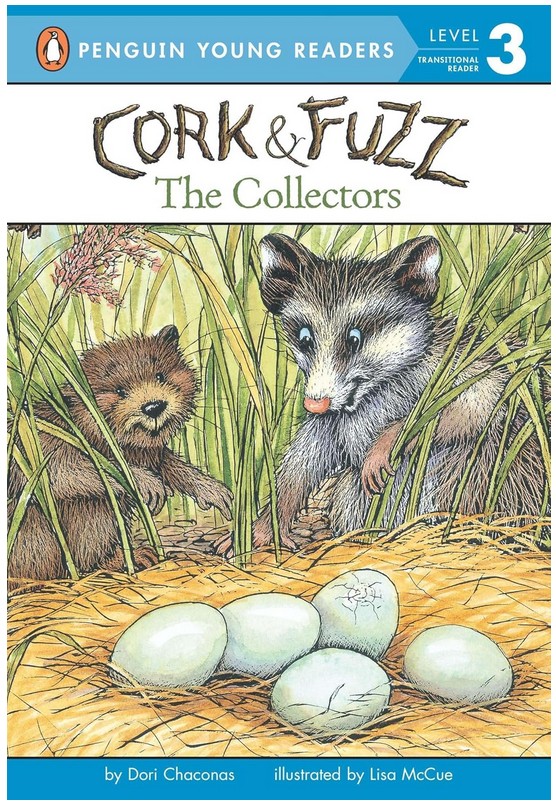
Have you ever climbed a tree trunk, your hands gripping the bark, or curled up beneath its leafy shade on a sunny afternoon? Can you imagine who else might have gazed at its branches long ago—or how many birthdays it has celebrated standing in that very spot? This sweet picture book invites children on a journey of discovery, uncovering their unique connection to the natural world and fostering a lifelong love for trees. 

What Do You See When You Look at a Tree invites readers to engage with the world around them, with trees taking center stage as the main characters. Through thoughtful questions and gentle commentary, the author encourages reflection and critical thinking, guiding readers toward a deeper appreciation of the environment and their place within it. 

A walk in nature is a perfect way to slow down and be mindful, and author Emma Carlisle invites young readers on a stroll through familiar places: around home, down a main street, into parks, and across the countryside of an English village. “Pause and notice the trees all around you. Look closer and you’ll see so much more. Trees are all different, special, unique . . . just like the trees long before.” Each page offers reminders that trees are living organisms, enduring through time, each with its own character—much like the reader. The story remains grounded in the present moment, encouraging awareness of thoughts, feelings, and surroundings.  

For parents, this story’s portrayal of the incredible lifespan of trees may spark quiet reflections on their place in time. To young readers, the reality of a tree’s age is both surprising and enchanting. Some trees can live for hundreds, even thousands of years! The shapes of their branches, the texture of their bark, and the way they live in harmony with sun, wind, and rain draw readers closer, helping them feel connected to these towering giants. Then comes the magic—hidden clues show that trees are busy homes, sheltering life above, within, and below the ground. “Let’s take a peek under the roots. Can you see babies curled up with their mothers?” 

With every page turn, the illustrations whisper little secrets about the weather—sunbeams dancing through leaves, a playful gust of wind, raindrops pattering softly to the ground. Seasons drift by in color and texture, from the golden crunch of autumn leaves to the quiet sparkle of a snowy winter’s day. Even the time of day is hinted at, with one especially magical scene showing a tree through a cozy window, where a child and caregiver glow in the soft, golden light. “Have you read till the moon and stars filled the sky, as you sat in a cosy old nook?” Pause for a moment, and the smallest details begin to shine, reminding us how the ordinary can feel extraordinary. 

What Do You See When You Look at a Tree features charming watercolor and hand-finished illustrations. Young readers will enjoy a journey through village streets and open countryside. With just one to four sentences per page, including engaging questions, the text is easy to follow and accessible for early readers. 

The book concludes with two double-page spreads of supplementary material, followed by a final page titled “A Note from Emma Carlisle.” A standout moment comes in the supplemental section, How to Be More Like a Tree, which offers original and insightful ideas such as, “Be authentic . . . Trees can teach us to be proud of our uniqueness and stand tall. Celebrate what makes you you.” The book gives adults an opportunity to spark meaningful conversations with children about mindfulness, empathy, and environmental awareness.  

Sexual Content 

  • None 

Violence 

  • None

Drugs and Alcohol 

  • None 

Language 

  • None 

Supernatural 

  • None

Spiritual Content 

  • None

by Maureen Lowe
Lily’s Dream: A Fairy Friendship

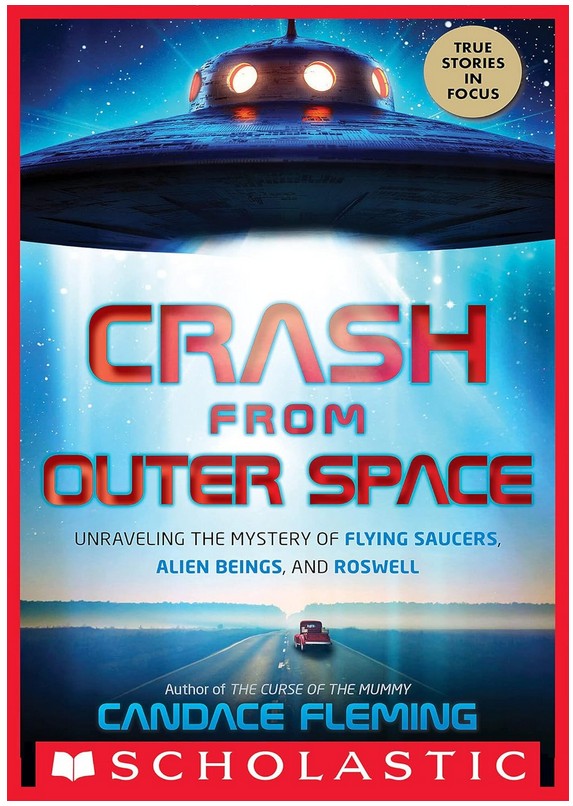
Lily is a fairy who dreams of flying high. However, Lily is the only fairy who cannot get her wings to lift her. As she practices, much of her time is spent taking in the beauty of nature from the ground. 

One day, after a particularly difficult flying lesson, Lily stumbles on an acorn and finds a small alcove in a tree filled with fairy-sized treasures. As Lily explores the new environment, Willow, a young human girl, approaches her, causing Lily to run away in fear. When she realizes she has left her golden bracelet there, Lily returns. Willow returns Lily’s bracelet and offers to help her learn to fly. But can a human—completely grounded—help a fairy connect with her wings? 

Told from the third-person point of view, Lily’s Dream follows a young fairy’s journey to achieve flight. Unlike other fairies with beautiful, shimmering wings, Lily has small, colorless ones. Lily yearns to be like the rest of the fairies and asks her mother, “Will my wings ever look like yours?” Lily’s mother tells her that each fairy’s wings are unique, and though Lily’s wings are not yet colorful, it does not mean that she is not special. This interaction will teach readers that a person’s beauty comes from within and that their individuality is what makes them truly extraordinary. 

Willow, a human girl, plays a key role in helping Lily achieve her dreams. Though she cannot directly relate to Lily’s struggle, Willow uses her artistic side to create an acorn helmet, a landing cushion, and a mini trampoline for Lily. Willow makes sure to create a safe space for Lily and encourages her. With Willow’s daily support, the fairy and the girl become friends. 

Each page contains one to six sentences with full-page illustrations that match the text and convey Lily’s emotions. For example, “while all the other fairies soared to dazzling heights, Lily was the only one who knew about the beauty closer to the ground.” The illustration shows her smiling on a lily pad, watching the fish below. Lily is small in comparison to the nature around her. For example, one picture shows tall, pink, and white flowers towering over her. These detailed, dream-like images will enchant readers and draw them into Lily’s magical world. Additionally, the vivid colors and detailed facial expressions will help readers identify Lily’s frustrations with flying and her joy in connecting with nature. 

Lily’s Dream explores themes of resilience and friendship through Lily’s persistent pursuit of flight. Despite her struggles, Lily never gives up on her dream and continues working toward her goal. She demonstrates tenacity by taking flying lessons and practicing independently every day. Young readers will relate to Lily’s determination and feel encouraged to face challenges with similar strength.  

Though Lily shows inherent determination as an individual, she only succeeds after receiving Willow’s unwavering support. The human girl not only creates a safe environment for Lily but also cheers Lily on, uplifting her fairy friend as if they share the challenge together. Their unlikely friendship demonstrates how kindness can help someone reach new heights. Readers will learn the importance of supporting their friends — even when they cannot directly relate to the struggles those friends are facing. Though Lily and Willow come from different worlds, their blossoming bond proves that anyone can find common ground and offer meaningful support. Through these lessons, Lily’s Dream becomes a heartfelt celebration of self-belief and the transformative power of friendship. 

Sexual Content 

  • None 

Violence 

  • None 

Drugs and Alcohol 

  • None 

Language   

  • None 

Supernatural 

  • None 

Spiritual Content 

  • None 

by Madeline Hettrick 

The Fox and the Forest Fire

Young Oswald isn’t sure he likes his new home. Moving from the big city to a log cabin in the woods, he doesn’t enjoy the dark, quiet nights and change in scenery. But Oswald soon discovers the joy of living in the woods, and he quickly becomes fond of studying the plants and meeting new creatures, such as a small orange fox. However, Oswald’s new life crumbles when a ravaging wildfire threatens to take away his new home and his new fox friend. Will Oswald be able to recover from this deadly disaster? 

The Fox and the Forest Fire is a heartwarming tale about a young boy’s relationship with change and resilience. Narrated by the protagonist, Oswald, the picture book follows Oswald’s transition from a home in the bustling city to a log cabin in the quiet woods. Oswald is depicted as a typical child who spends his time playing in nature. His recurring interactions with a young fox are a main growing point for him as he learns to be more receptive to the forest setting and its creatures. This shift from hating the woods to loving them is genuinely and realistically portrayed, and Oswald’s ability to adopt an open mind to change is admirable and inspirational. Oswald’s experience with a wildfire may be deeply relatable for many readers who have had similar life experiences. 

The core of The Fox and the Forest Fire comes from its rich message about accepting and enduring the ebb and flow of one’s life. Both Oswald and the fox experience situations that uproot their present-day lives. However, Oswald and the fox persevere through these hardships and enter a new period of life that is new and exciting. For example, Oswald’s family will rebuild their house, and the fox will reclaim its home as the forest’s vegetation regrows. These characters teach readers the importance of approaching change with flexibility and resilience, demonstrating that hardships can make us stronger and better individuals.  

The tale features colorful, full-page illustrations that complement the story’s plot and characters. Many of the illustrations depict forest environments with various animals and vegetation in a simplistic art style, and most pages contain one or two sentences of simple text. At the end of the book, an author’s note and a section about wildfires provide supplementary material that aids the story and encourages additional research. Although the story doesn’t depict the wildfire tearing through the forest, it does show part of the aftermath, such as burnt trees and the remains of Oswald’s house, which may warrant further conversation with an adult about fires and their real-life consequences. While these post-fire scenes give a somber, saddening tone with their dark skies and rain, the book quickly reminds the readers of the importance of moving forward by depicting Oswald rebuilding his home. Thus, The Fox and the Forest Fire becomes an uplifting children’s story with a message about accepting, enduring, and learning from life’s good and bad moments. 

Sexual Content 

  • None 

Violence 

  • None

Drugs and Alcohol 

  • None 

Language 

  • None

Supernatural 

  • None 

Spiritual Content 

  • None 

The Wild Robot on the Island

Roz, a robot, lives in a box that crashes onto the side of an island. While there is no one on the island like her, she feels that she belongs there. Many wild animals inhabit the island with Roz. Though Roz is very different from the animals, she learns to move, hide, and communicate like them. Soon enough, Roz and the animals become good friends. All the creatures on the island, including Roz, form a community where they help each other when needed. 

One day, Roz finds an abandoned goose egg and decides to care for it. When the gosling hatches, Roz names the bird Brightbill and raises him as if he were her own child. Brightbill learns to talk, walk, swim, and fly like any other bird. While Roz cannot teach Brightbill how to behave like a bird, she teaches him how to be a good friend to all creatures. 

Eventually, the seasons begin to change, and Brightbill feels that he is changing too. Like the other birds on the island, Brightbill needs to fly south for the winter. Roz supports her son’s decision to leave with the other birds even though it makes her sad. During the colder months, the rest of the island’s creatures hibernate together. The animals support Roz as she misses Brightbill. When the seasons change again, all of the birds, including Brightbill, fly back to the island. Roz feels that all is right on the island because everyone is welcome. 

Roz is a fun protagonist that kids will love. She is silly and stands out among the wild animals. Readers might not relate to Roz because she is a robot, but she still teaches young children many lessons about friendship, such as sharing, adapting, and inclusion. However, the ways in which she demonstrates these values are completely unrelatable to humans. For example, when Roz is teaching Brightbill how to be a good friend, they watch as a duck gives a beaver “a fallen tree as a gift.” While this doesn’t happen for humans, it provides a simple and engaging way for people to learn the values of friendship. 

The animals and Brightbill on the island demonstrate the key themes that Peter Brown weaves throughout The Wild Robot. The island’s wildlife illustrates the value of approaching strangers with curiosity rather than fear. Once Roz masters their language, the animals confess they initially believed she was “a monster,” revealing how prejudgment can prevent meaningful connections. Their eventual acceptance of Roz shows that open-mindedness and inclusivity are essential for creating a thriving community. Brightbill embodies another central message: while genetics determines what we are, our upbringing shapes who we become. Though he migrates south with other geese following his natural instincts, his capacity for friendship and loyalty stems directly from Roz’s nurturing care. Through these relationships, Brown shows that community bonds can transcend biological differences when built on understanding and compassion. 

The Wild Robot on the Island is a shortened version of Peter Brown’s The Wild Robot. This version includes brighter pictures with scenes that are easy for young children to understand. Roz’s attempts to become an animal are humorous, and the pictures of Roz’s actions will entertain younger audiences as well. The clear images and short sentences make this book enjoyable for kids of all ages. This picture book adaptation simplifies an already beloved story, allowing younger audiences to read and understand the messages that Peter Brown conveys. 

Like The Wild Robot, this story explores the profound theme of extending kindness to those who are different from us. Though it may appear to be a simple tale of a robot finding her place among forest animals, Brown weaves deeper messages about compassion and open-mindedness triumphing over fear and exclusion. Communities are built on shared spaces, and everyone who inhabits those spaces deserves friendship regardless of their origins. Brown demonstrates this principle through Roz’s nurturing relationship with Brightbill and the mutual support that develops among all the island’s inhabitants. Through these interconnected acts of care and cooperation, Roz discovers that the island truly becomes “a safe place for all.” 

Sexual Content 

  • None 

Violence 

  • None 

Drugs and Alcohol 

  • None 

Language   

  • None 

Supernatural 

  • None 

Spiritual Content 

  • None 

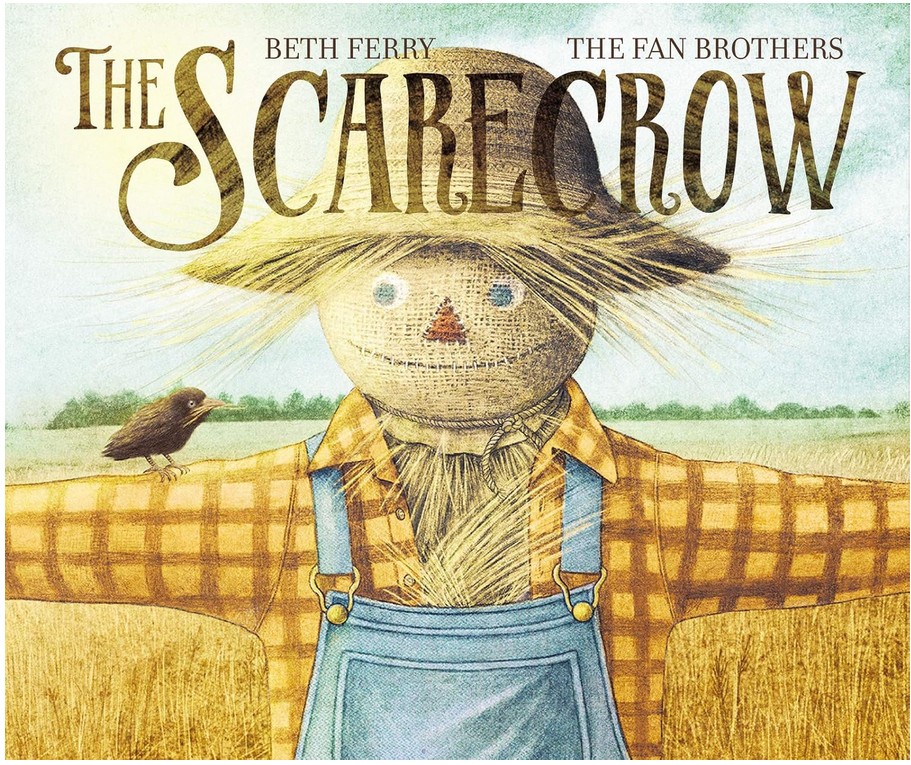
The Scarecrow

The Scarecrow is a quiet, emotional story about a scarecrow that spends his life standing alone in an empty field. The story is told in the third person, allowing readers to watch his life unfold. The scarecrow is not human; he can’t speak, but his gentle nature and deep sadness make him an easy character to sympathize with. He spends his days and nights scaring animals away, never getting a chance to experience companionship. Readers will find his loyalty and silent kindness admirable, as his life is dedicated to protecting the fields, despite his loneliness. 

The other character is a small, vulnerable crow that falls into the field. At first, the crow is weak and needs the warmth from the scarecrow to survive. The scarecrow protects the crow from nature’s elements. Their bond brightens the scarecrow’s life. When the crow grows and is strong enough to fly, he leaves to explore the world, leaving the scarecrow all alone once more. However, the crow later returns, bringing his own family with him, filling the scarecrow’s life with joy and love. The crow adds hope to the scarecrow’s silent life, showing readers that acts of kindness and love are never forgotten. 

The story is gentle and deeply emotional. It explores themes of loneliness, kindness, and friendship in ways that young readers can easily understand. The ending is heartwarming, showing that even if someone is alone for a long time, love can find its way back to them. There is no high conflict or dramatic stakes, just a progression from solitude to companionship. It has a gradual and soothing pace that makes it a comforting story for young children. 

The Scarecrow uses poetic text with a consistent rhyme scheme to create a calm and reflective reading experience. The soft rhythm and descriptive language reflect the changing seasons and emotional beats of the story. The full-color illustrations are rich and warm, using earthy browns, soft golds, and gentle greens to bring the fields to life. The scarecrow’s stitched expressions and the tiny details, such as falling leaves, ripening corn, and sunset skies, keep the reader engaged. Overall, the warm illustrations, combined with the descriptive story, enhance the narrative and make it a great read-aloud experience. 

The Scarecrow is the perfect book for adults to read with a child, especially those who want to help young children understand the importance of kindness, empathy, and caring for others. The overall message is that love and friendship can be shown in the simplest acts. Through its powerful yet gentle story, The Scarecrow reminds readers that no one is meant to stand alone forever. Get in the mood for warm snuggles and falling leaves by also reading The Very Best Pumpkin by Mark Kimball Moulton and Leif and the Fall by Allison Sweet Grant & Adam Grant. 

Sexual Content 

  • None 

Violence 

  • None 

Drugs and Alcohol 

  • None 

Language 

  • None 

Supernatural 

  • None 

Spiritual Content 

  • None 

by Rayna Burlison

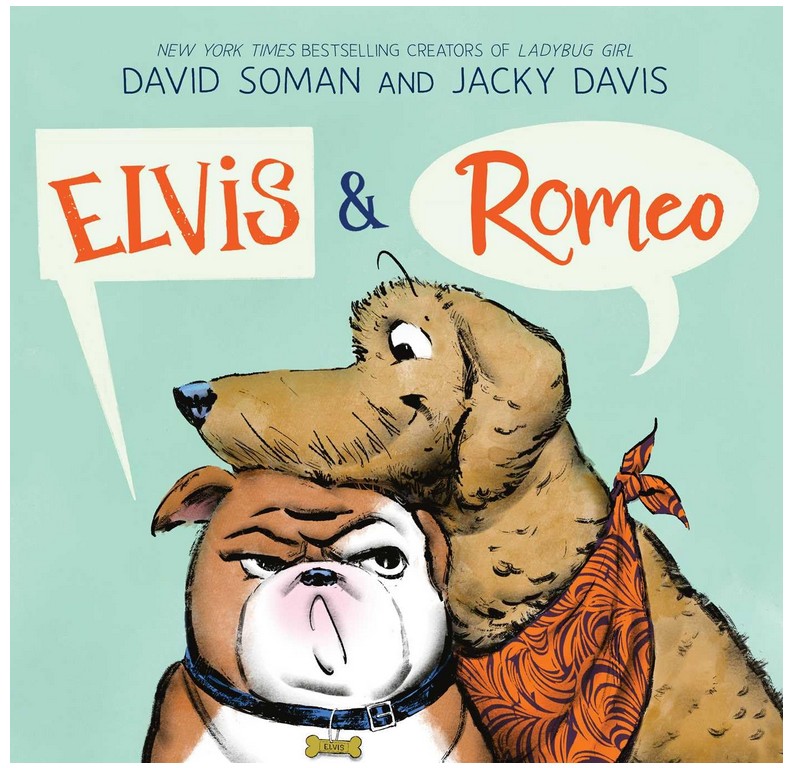
Elvis & Romeo

Elvis & Romeo is a lighthearted story about two dogs who couldn’t be more different, yet they still manage to form an unexpected friendship. Elvis is a serious, older bulldog that shows little interest in games. Romeo is an energetic, young golden retriever. When the two meet at the dog park, Romeo attempts to play games such as tag and hide-and-seek with Elvis. Despite Elvis wanting nothing to do with him, Romeo continues his attempt to bond with the grumpy dog. The contrast in their personalities is both amusing and relatable for children, especially those who have had to learn how to get along with someone very different from themselves. 

The dogs shine as the only characters in the book, with only brief illustrations of other dogs and humans present. Romeo’s enthusiasm is contagious and will entertain readers as he attempts to win Elvis’s friendship. What finally brings them together is not a game, but something much simpler: a shared love of sandwiches. The moment is simple, silly, and powerful. The dogs connect over something they both enjoy, showing young readers that friendship can begin with the smallest common ground. The rest of the story shows the two new friends dreaming of the world’s best sandwich, getting excited over treats, and leaving the park having had a great day.  

Elvis & Romeo is a funny, sweet, and emotionally intelligent story. It explores themes of patience, respect, and friendship in a way that young readers can easily understand. The colorful illustrations are warm and expressive, capturing the personality of each dog. There is no huge conflict or high stakes in this story; instead, it follows a slow progression from frustration to friendship. Elvis & Romeo is a thoughtful and playful story that encourages empathy and finding joy in each other’s differences. 

Elvis & Romeo uses varied text placement and page design to enhance the story’s humor and pacing. The spacing and rhythm reflect the emotional beats, especially in moments of chaos, such as when treats are brought up. The illustrations are full of life, featuring a warm and inviting color palette. The story also employs onomatopoeia to add energy and humor. Fun word sounds, such as “chomp” and “crinkle,” make it perfect for a read-aloud experience. Each two-page spread has one to five short sentences and funny illustrations that will keep readers engaged.  

Children who are learning to share space, build friendships, and understand different personalities will relate to Elvis and Romeo’s conflict. The book uses humor to show that meaningful connections can form in the most unexpected ways. Through a silly yet powerful story, it encourages readers to slow down, stay open-minded, and remember that sometimes all it takes is a sandwich to bring two hearts together.  

Sexual Content 

  • None 

Violence 

  • None

Language 

  • OMG is used once. 

Supernatural 

  • None 

Spiritual Content 

  • None 

Dear Wild Child: You Carry Your Home Inside You

A house was once built in the “shade of ancient redwood trees, by a creek, not far from the ocean.” It was a place of comfort and protection for a young girl, filled with games, laughter, and memories. It was a place of discovery for the girl, where she learned and experienced life’s most precious moments: her first steps, her first sleepover, and her first holiday gathering. However, when a strong thunderstorm sends her beloved home into flames, it raises an important question: what makes a home when one’s home is gone? 

Dear Wild Child: You Carry Your Home Inside You is an emotionally gripping tale about a young girl’s relationship with her cherished home in northern California. Told by an omniscient narrator, the book follows the life of a nameless, young girl and her coming of age inside her family’s house. The girl is depicted as a typical youth, enjoying both the woodsy outdoors and the comfortable confines of her house with excitement and joy. Although the readers aren’t given any dialogue or exposition about the girl, they can deduce the girl’s bubbly personality through her activities and expressions. And many of her activities, such as swinging off tree branches in the forest, can be relatable for many readers, connecting them with experiences that characterized their own childhood. 

The heart of Dear Wild Child: You Carry Your Home Inside You lies within its heartwarming message about home and family. Although not overly explicit, the book teaches readers that one’s home doesn’t necessarily mean one’s physical place of residence. In the case of this young girl, her home was her family and the experiences that characterized her life. For example, the narrator quotes, “You are made of hardwood and stone, bright stars, and the wind’s song,” suggesting that these aspects of her time in California comprise who she is just as much as her home. The book challenges readers to reflect on their own lives and the moments and things that made their home and childhood so special.  

The short story features colorful, full-page illustrations that reflect the wonder and imagination of a young child. Although the art style is simplistic, it complements the text by depicting the true meaning and emotions of the story. While the illustrations don’t actually depict the wildfire, the topic of losing a home to a natural disaster can be stressful for some kids. However, the book’s positive view of the disaster can spark uplifting and profitable conversations. Alongside this message, each page typically contains three to four simple sentences in small paragraph form, and at the end of the book, an author’s note explains the true-life events that served as inspiration for the story. Overall, Dear Wild Child: You Carry Your Home Inside You is a beautiful and compelling children’s book whose message will warm the hearts of many readers. 

Sexual Content 

  • None

Violence 

  • None 

Drugs and Alcohol 

  • None 

Language 

  • None 

Supernatural 

  • None

Spiritual Content 

  • None 

Mary Blair’s Unique Flair: The Girl Who Became One of the Disney Legends

As a visionary artist for Walt Disney Studios in the 1940s and ’50s, Mary Blair created artwork for some of the most iconic animated film masterpieces and attractions in history, including Dumbo, Cinderella, and It’s a Small World. A college-educated woman in the 1930s, Mary was ambitious and independent, defying the expectations society placed on women at the time. In the male-dominated field of animation, she forged her own path and ultimately became one of Walt Disney’s most celebrated artists. 

Mary Blair’s Unique Flair is a picture book that inspires readers to learn more about the origins of beloved Disney animated films. Mary Blair introduced inventive color palettes to Walt Disney after a pivotal visit to South America in 1941, where “she had never seen such bright and happy colors before.” Her concept art dazzled with vivid colors, swirling shapes, and childlike imagination. Working with cut paper, she created whimsical forms that felt fresh and magical. Walt Disney couldn’t deny her extraordinary talent. 

Long before she became a legendary talent, Mary Blair was Mary Brown Robinson, a little girl growing up in Texas with grand aspirations. “Mary was a dreamer . . . she dreamed of being an artist.” Mary’s path wasn’t easy. Her parents, both creative but with limited means, often went without necessities so she could have art supplies. Even as a child, her imagination and talent stood out. 

Eventually, the family relocated to California, setting the stage for her future. Recognized early for her talent, she pursued a bachelor’s in art and advanced studies, challenging the norms of her era. “She later married another artist, named Lee, and became Mary Blair. They vowed to make art. But it was hard to make a living as an artist.” Still, Mary never gave up on her dream! 

In 1940, she secured a rare art position at Walt Disney Studios and created artwork for major animation projects, including Dumbo and Lady and the Tramp. These projects showcased Mary’s unmistakable talent. Seeking more artistic freedom, Mary briefly left Walt Disney Studios to work from her home studio and focus on fine art.

Soon after, she asked Walt Disney if she could join the art department’s research tour to South America—and he agreed. “Walt believed in magic, and he believed in Mary.” Her return from abroad marked a turning point in her career, as she rejoined Disney and created artwork for films like Cinderella, Alice in Wonderland, and Peter Pan. 

Mary’s belief in herself embodied true empowerment, and what followed was a legendary career. One of her most meaningful projects was It’s a Small World, a Disneyland attraction inspired by her South American travels and featuring animatronic dolls in traditional dress from cultures around the world. Her endearing artwork celebrated unity, goodwill, and global peace. 

Mary Blair’s Unique Flair uses vibrant illustrations and a playful font to bring the story to life. Young readers will enjoy the cheerful sequence of events and the large, colorful artwork on each page. With just one to seven short sentences per page, the text is easy to follow and accessible for early readers. An especially engaging page is dedicated to Spanish words for color names. Readers can use context clues and illustrations to infer the meanings of words like rosa and lavanda. 

The story offers adults an opportunity to discuss meaningful themes with children, such as boundless imagination, women’s empowerment, and appreciation for diverse cultures. Mary Blair was ahead of her time, and her perseverance and vision continue to encourage aspiring artists today. For Disney enthusiasts, learning about this pioneering artist offers deeper insight into the artistry behind classic animation. 

The book includes informative supplementary material at the end, featuring a note from illustrator Brittney Lee, a message from Mary Blair’s niece Maggie Richardson, a list of books Mary Blair wrote or illustrated, and a photograph of her with Walt Disney. 

Sexual Content 

  • None 

Violence 

  • None 

Drugs and Alcohol 

  • None 

Language 

  • None 

Supernatural 

  • None 

Spiritual Content 

  • None 

by Maureen Lowe 
One Day at a Time

Lily, a young girl, has to navigate the changing seasons and the swirl of emotions while in foster care. With her loyal friend, a yellow bird named Sparrow, by her side, she finds comfort, courage, and hope for each new day. Inspired by Matthew 6:25-34, One Day at a Time shows that just as God “cares for the sparrow in the sky and the lilies in the field, He cares for and deeply loves every child.” 

One Day at a Time chronicles the changes that Lily faces. From getting to know new foster parents to seeing a therapist, Lily learns ways to express her emotions. During dinner, Lily and her foster sibling begin to fight, and Lily “loses control, throws her drink, and bumps her bowl.” The next page shows Lily alone in her room, and an unknown speaker reminds her that, “You’re not bad.” Likewise, when Lily feels shame at being a foster child, her teacher tells her, “It’s not your fault, you’ve done nothing wrong.” Throughout the story, Lily’s biracial foster family treats her with kindness and love.  

The illustrations pop with beautiful, bright colors that radiate joy. Each two-page spread focuses on a single aspect of being a foster child, and Lily’s facial expressions are used to convey her various emotions. A little yellow bird appears on each spread to remind readers that “God provides for the birds and flowers. He is faithfully watching over and providing for each one of us.” The backmatter includes a chart of feelings that uses a cute, color-coded creature to represent the sixteen feelings, ranging from anxious to confused to loved. There is also an infographic with ten calming skills that readers can use. 

Even though One Day at a Time is a picture book, the story is intended to be read aloud to a child, rather than for the child to read independently for the first time. One phrase is on almost every page: “Place your hand on your beating heart, God’s been with you from the start. He gives hope, makes you precious and kind.” The repetition helps reinforce the message that God is always with you. Emotion words are printed in different colors, providing adults with a way to pause and discuss the word with a child. Adults should read the story alone before reading it to a child because the text jumps around the page, which sometimes makes it difficult to know where to start reading. In addition, the text-heavy pages will make it difficult for wiggly readers to follow along as an adult reads the book. 

According to the author, “One Day at a Time is more than a book, it’s a trauma-informed faith-based tool designed to help children process big feelings, navigate foster care, and find hope.” Although One Day at a Time focuses on a foster child, all children will be able to relate to Lily’s emotions. Reading Lily’s story will help children develop empathy for others and learn valuable coping skills for themselves.  

Sexual Content 

  • None 

Violence 

  • None

Drugs and Alcohol 

  • None 

Language 

  • None 

Supernatural 

  • None 

Spiritual Content 

  • None 

Good Night Thoughts

With their mind racing with visions of tarantula-filled toilet bowls, giant robot sharks and the dentist, a child struggles to find the quiet mindset they need to fall asleep. They remember the time they envisioned the world popping into a piece of popcorn or pictured themself falling off a cloud and flying towards the sun. With these scary thoughts bouncing around in their mind, the narrator wonders how they will ever fall asleep. Though they attempt to think of happier things, such as a baby panda and singing donuts, they cannot convince their minds to settle down. 

However, they begin to feel less anxious when they remember that their thoughts are just in their head, and that all those scary ideas are not reality. After reminding themselves that they are okay, the child finds the peace they need to say goodnight to their thoughts and go to sleep.  

Told from the first-person perspective, the main character experiences a common struggle as they attempt to navigate their racing thoughts. Although the young child is the only character in the book, the child’s imagination becomes a character of its own as it surrounds the narrator. The child’s facial expressions are exaggerated to show their emotions, which range from scared to completely at ease by the end of the book. Full-page illustrations appear on almost every page. The child and their surroundings are depicted in dark blue, while the things they imagine are drawn mainly in pink, blue, yellow, and green. The colors take away from the image’s realism. For example, a toilet filled with tarantulas is depicted fully in pink, making the drawing appear less lifelike and, as a result, less scary.  

Although Good Night Thoughts is a picture book, the story is intended to be read aloud to a child, rather than for the child to read independently for the first time. Each two-page spread features one to three sentences that occasionally employ complex sentence structures. For example, when the child can’t sleep, they say, “And if I really can’t fall asleep, if it feels like my brain won’t ever calm down, I try to think about all the people who love me holding hands and wearing every piece of clothing that they own.” The book is an excellent bedtime story because it conveys an essential message: anxious thoughts are not always a reflection of reality.  

Through the narrator’s struggles, readers will learn that nighttime can often be when the brain is at its noisiest, but the child’s ability to bravely tune out scary thoughts and peacefully fall asleep will encourage children to do the same. Readers will be drawn in by the imaginative illustrations and fall deeper in love with the story as they find themselves relating to the child’s struggles. The humorous images will engage children and reinforce the idea that thoughts are often just the imagination running wild. Good Night Thoughts is an essential and entertaining tool for helping children learn how to identify and manage their anxiety before bedtime. If you know a child who has a difficult time falling asleep, pair Good Night Thoughts with Pippa’s Night Parade by Lisa Robinson, Arlo, The Lion Who Couldn’t Sleep by Catherine Rayner, and The Pout-Pout Fish and the Can’t-Sleep Blues by Deborah Diesen. 

Sexual Content 

  • None 

Violence 

  • None

Drugs and Alcohol 

  • None 

Language   

  • None

Supernatural 

  • None

Spiritual Content 

  • None 

Goat on the Go: Scout’s Muddy Day

In the first book of the Goat on the Go Series, meet Scout—a spirited goat with a twinkle in his eye and a heart full of adventure. When he decides to explore the world beyond the goat pen, he finds himself in a whirlwind of fun and unexpected encounters. From muddy misadventures to curious critters on the farm, Scout’s day is anything but ordinary. But as the sun starts to set, one question remains. . . will Scout find his way back to his pen by sunset, or will his journey take an unexpected twist? 

Scout, the lovable protagonist, isn’t content to stay in his pen. As he wanders the farms, he meets the other animals, including Highland cows, pigs, and guinea hens. However, Scout gets so dirty that no one can recognize him. Young readers will want to shout out when the other animals ask, “What are you?” and they will cheer when an unexpected friend helps Scout when the other goats won’t let him back into the pen. 

Scout’s Muddy Day comes to life with cute illustrations that use bright primary colors. Readers will enjoy seeing all of the farm animals and laugh as Scout gets so dirty that no one can recognize him. For example, a Highland cow tells Scout, “You don’t look like any goat I’ve seen. You look like a tall pig with horns.”  

While Farmer Ray searches for Scout, the goat hides, making the book feel like a fun game of hide-and-seek. Scout’s big blue eyes express his emotions, and most readers will be able to identify Scout’s feelings of excitement, embarrassment, and sadness. 

Even though Scout’s Muddy Day is a picture book, the story is intended to be read aloud to a child, rather than for the child to read independently for the first time. The story uses complex sentences and advanced vocabulary. For example, one sentence reads “‘I’d better skedaddle before I get caught!’ Scout said, and trotted off towards a lush green pasture where the cows were grazing peacefully.” The book only has one to two sentences per page. However, the sentence length and vocabulary may be confusing to younger readers, and an adult may need to pause and explain some parts of the book, making it best suited for reading on a relaxing day with no plans. 

Scout’s Muddy Day allows readers to follow Scout’s playful antics and learn more about life on the farm. Scout’s adventure also shows the importance of being curious and trying new things. The book ends with Scout “dreaming of his next big adventure” and leaves readers wondering what Scout will do in the next book, Scout’s Delicious Day. 

If you’re looking for another animal-themed book, there are many options, including Biscuit and the Little Llamas by Alyssa Satin Capucilli, Time for School, Little Blue Truck by Alice Schertle, and Sloth at the Zoom by Helaine Becker. 

Sexual Content 

  • None 

Violence 

  • None 

Drugs and Alcohol 

  • None 

Language 

  • None 

Supernatural 

  • None

Spiritual Content 

  • None 

Latest Reviews